
Let’s be honest. Online shoppers are extremely impatient.
If a website feels confusing, cluttered, slow, or just visually outdated, people leave almost instantly. No one actually sits there trying to “understand” a website anymore. They simply close the tab and move to another brand.
That’s exactly why e-commerce website design has become such a big deal today.
A good e-commerce website is not just about attractive colours or trendy layouts. It is all about making the entire shopping experience feel smooth, enjoyable, and trustworthy from the very first click.
Think about the websites you personally enjoy shopping from. Chances are, they feel super easy and seamless.
Products are simple to explore while scrolling, images look beautiful and clear, navigation feels effortless, and checkout doesn’t give you a headache.
That’s not an accidental design. That’s true strategic e-commerce thinking.
Today, whether you are selling skincare, fashion, electronics, home décor, or polished e-commerce wellness products, your website quietly shapes how customers feel about your brand. An experience instantly makes products feel more premium and reliable.
And honestly, in online shopping, perception matters a lot.
Because before customers buy your product, they first buy into your website experience. This is why, in this blog, we are going to discuss 312+ exciting website design ideas along with some real strategies that will help you amp up your e-commerce website this year and attract maximum visitors to your business!
Table of Contents
Why Some Ecommerce Websites Instantly Convert While Others Quietly Push Customers Away?
Have you ever visited a website and immediately felt comfortable shopping there?
Everything just feels right. The visuals are clean, the products are easy to find, and the website almost guides you naturally toward exploring more.
Then there are websites that feel exhausting within seconds.
Maybe there are too many pop-ups. Maybe the menu feels confusing.
Maybe the layout looks outdated. Or maybe the checkout process feels like filling out a government form.
That’s where eCommerce design directly affects conversions.
Good eCommerce websites reduce mental effort. Customers don’t have to think too hard. They instinctively understand where to click, where to browse, and how to buy.
Poor websites actually do the opposite here. They create friction, resulting in higher cart abandonment ratios.
Even tiny frustrations like:
1. slow loading webpages,
2. cluttered product pages,
3. complicated navigation or scrolling,
4. or unclear buttons
can quietly reduce your potential sales without even realising it.
And the truth is, customers don’t usually complain. They simply leave.
That’s why successful e-commerce design today focuses heavily on usability, psychology, speed, and emotional comfort. Not just appearance.
Because the easier shopping feels, the more people naturally buy.
Industries That Can Seriously Grow with Strong E-Commerce Website Design
Almost every business sells online today, but some industries rely heavily on e-commerce experience because customers make highly visual and emotional buying decisions there. And in these industries, website design can genuinely make or break conversions.
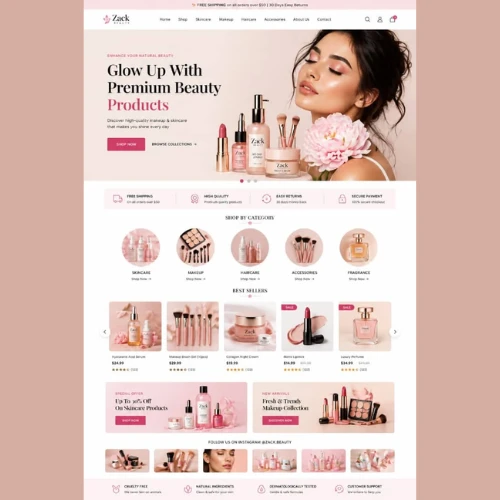
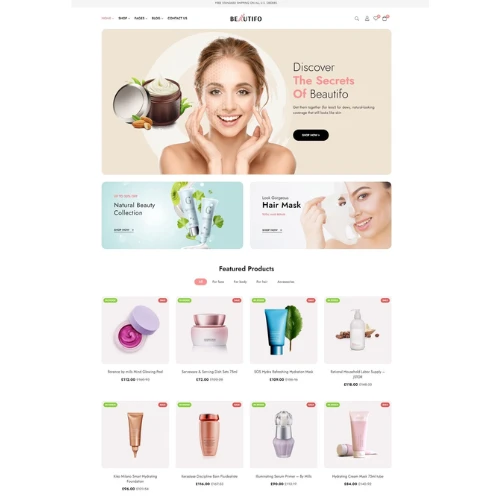
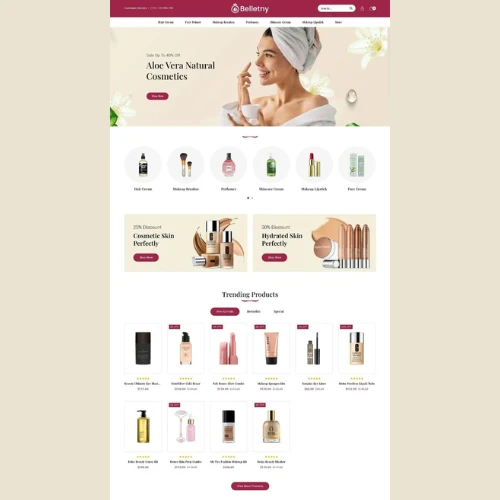
a) Cosmetics & Beauty Website Design: Where Visual Appeal Sells Everything
Beauty ecommerce is deeply emotional.
People shopping for skincare, makeup, or beauty products are not just buying items — they’re buying confidence, self-care, lifestyle, and aspiration.
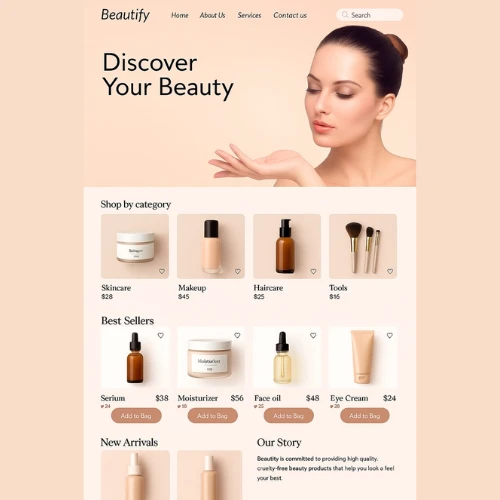
That’s why cosmetics website design should always feel visually polished and premium right from the moment someone lands on them.
Features like:
1. shade filters,
2. skincare quizzes,
3. virtual try-ons,
4. influencer videos,
5. and smooth mobile shopping
Make your beauty e-commerce feel far more interactive and personalised.
At the same time, the visual tone matters a lot too. Soft aesthetics, clean layouts, luxury-inspired spacing, and strong photography help customers trust the products more easily.
And honestly, beauty shoppers judge presentation very quickly. If the website feels premium, the products automatically feel higher quality too.
Platforms like Shopify and WooCommerce are especially popular in this industry because they allow brands to create visually rich shopping experiences without making the website overly complicated.
Source: https://in.pinterest.com/
Source: https://in.pinterest.com/
Source: https://in.pinterest.com/
Source: https://in.pinterest.com
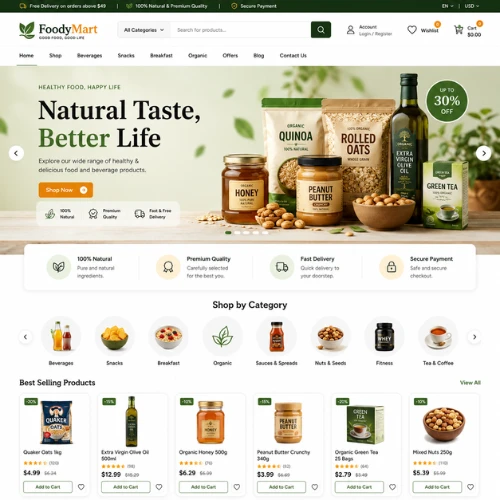
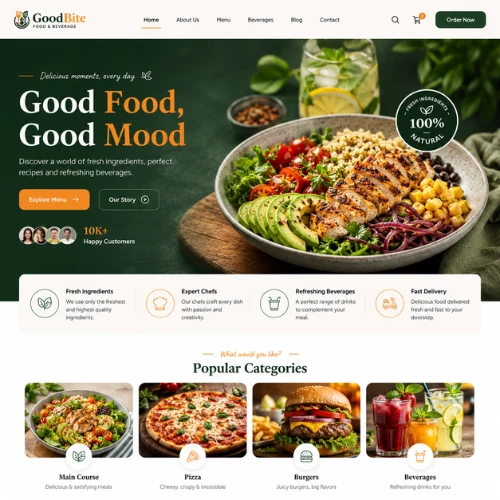
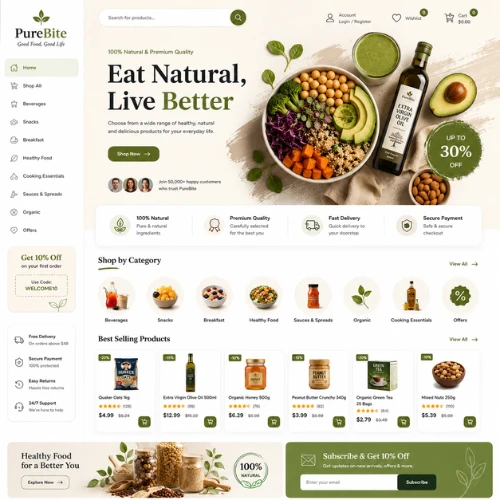
b) Food & Beverage Website Design: Making People Hungry Through Screens
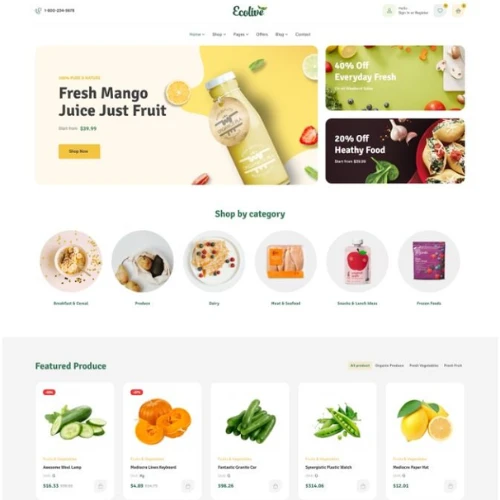
Food e-commerce is all about cravings.
People should almost feel the flavour through the screen.
That’s why successful food and beverage websites focus heavily on emotional visuals, warm colour palettes, close-up photography, and easy product browsing.
Good food website design usually combine multiple aspects together:
1. delicious product imagery,
2. smooth ordering flow,
3. quick add-to-cart options,
4. subscription models,
5. simple navigation
All of these combine to create a friction-free shopping experience.
And let’s be real. One mouthwatering product image often does way more selling than an entire paragraph of text.
That emotional craving factor matters massively in food e-commerce.
Source: https://in.pinterest.com/
Source: https://in.pinterest.com/
Source: https://in.pinterest.com/
Source: https://in.pinterest.com
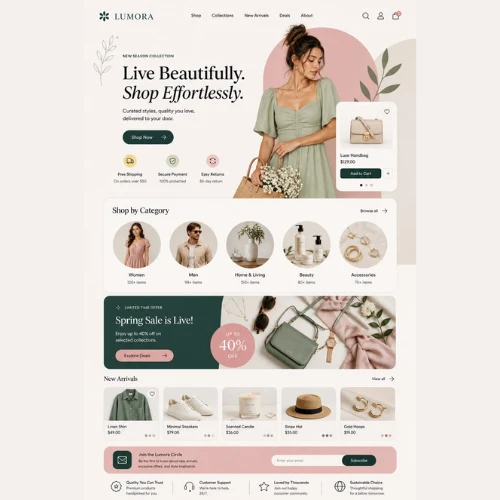
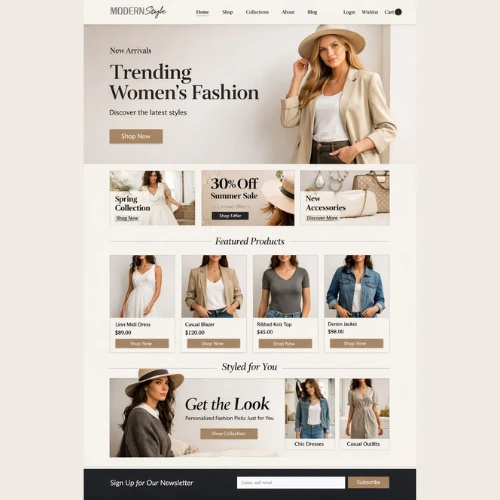
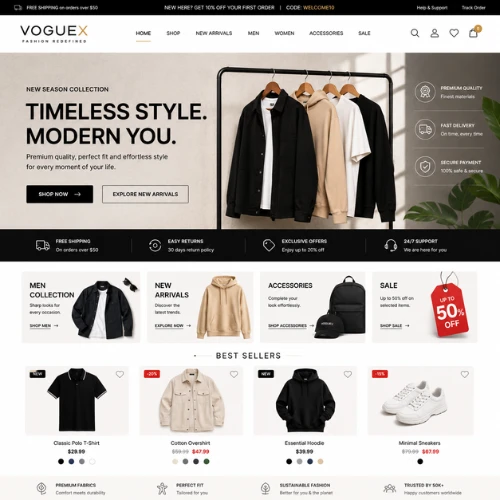
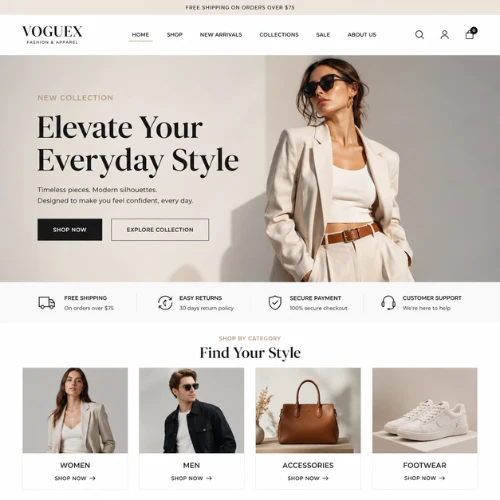
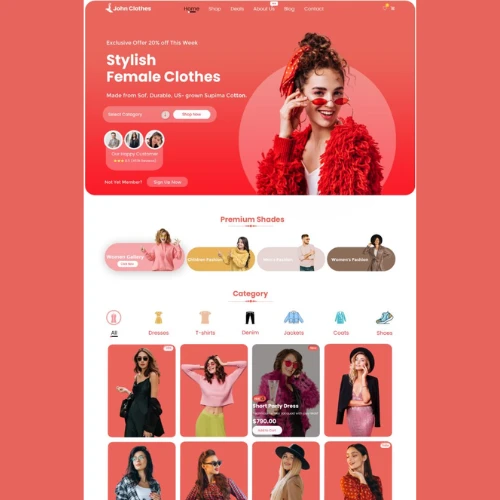
c) Fashion & Apparel Website Design: Balancing Style with Simplicity
Fashion websites need to look stylish without becoming difficult to use.
And honestly, many brands struggle with this balance.
Some websites focus so much on creative visuals that customers struggle to browse products properly. Others become too functional and lose emotional appeal completely.
The best fashion brand e-commerce websites combine both.
They use:
1. lifestyle photography,
2. clean navigation,
3. smooth filters,
4. fast mobile browsing,
5. size guides,
6. and visually organised collections
All of these make the entire shopping experience feel effortless.
Because fashion shoppers move fast. They compare products quickly and make decisions emotionally.
If browsing feels frustrating, they leave immediately.
Source: https://in.pinterest.com/
Source: https://in.pinterest.com/
Source: https://in.pinterest.com/
Source: https://in.pinterest.com
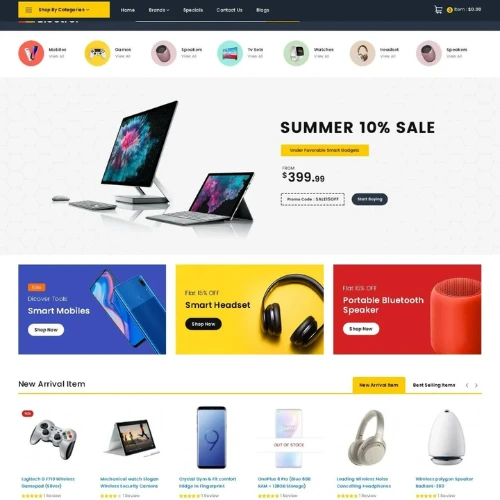
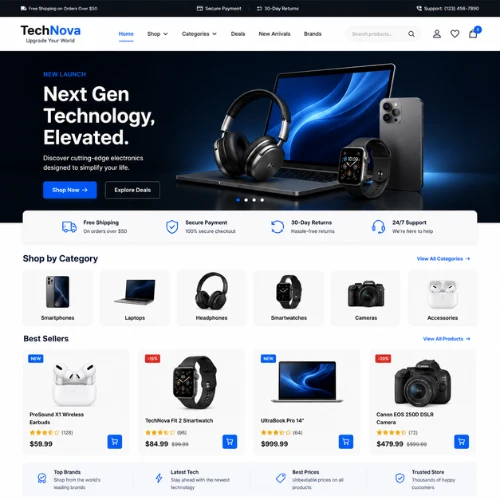
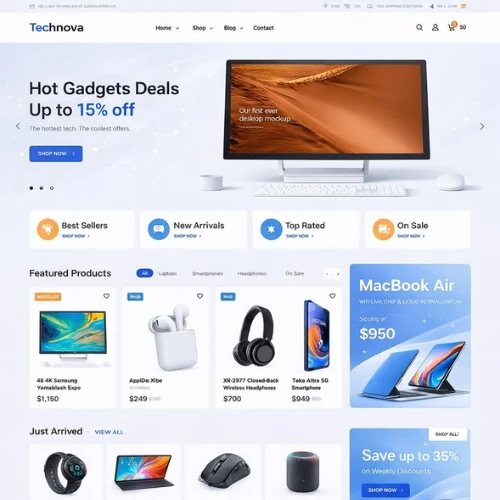
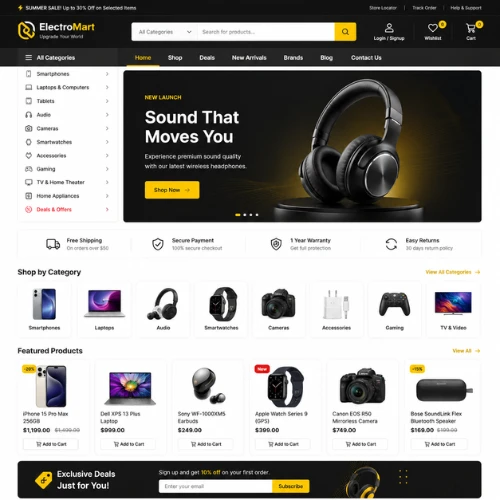
d) Electronics Website Design: Simplifying Complicated Buying Decisions
Electronics e-commerce is different because customers actively research before purchasing.
They compare features, specifications, pricing, compatibility, reviews, and performance details.
Which means these websites need clarity more than anything else.
Good electronics websites focus more on:
1. structured layouts,
2. detailed product pages,
3. comparison features,
4. easy search systems and algorithms,
5. and trust-building information.
The real challenge is making all the technical information feel simple and digestible instead of overwhelming, especially for general users.
And honestly, the brands that explain products clearly usually win customer trust faster.
Source: https://in.pinterest.com/
Source: https://in.pinterest.com/
Source: https://in.pinterest.com/
Source: https://in.pinterest.com
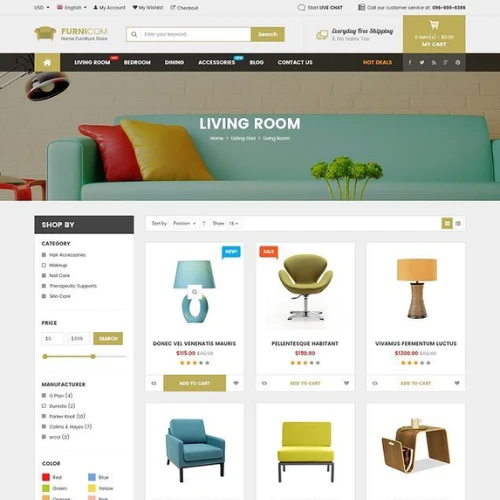
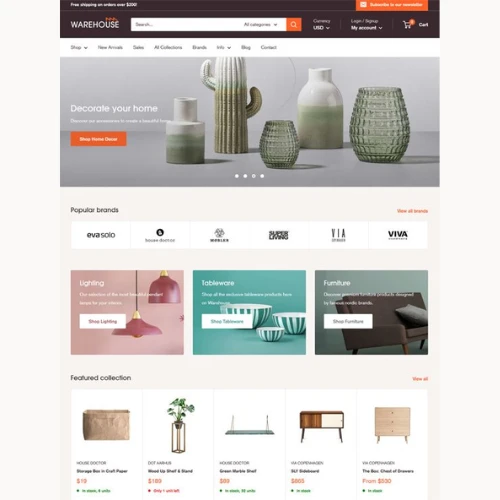
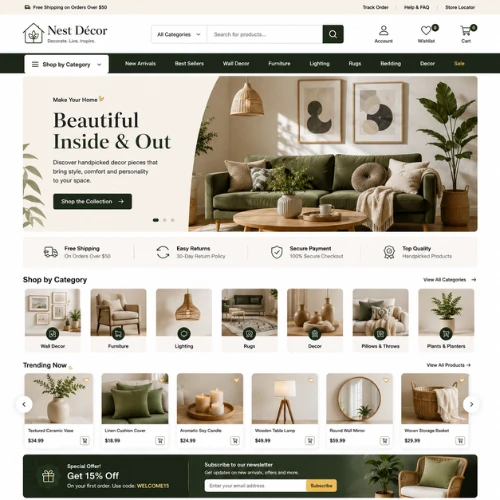
e) Home Decor Website Design: Selling a Lifestyle, Not Just Products
People shopping for furniture or home décor are usually imagining how their homes could look.
That emotional imagination is what drives purchases.
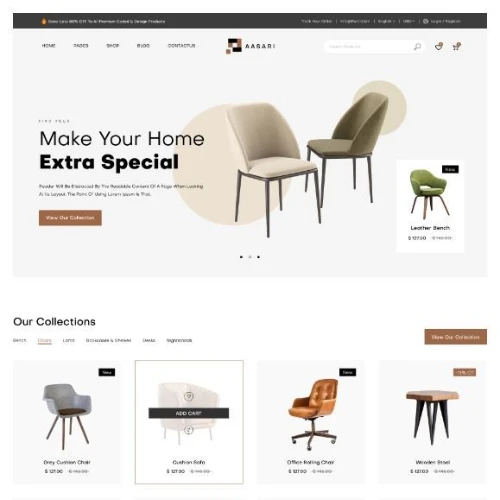
That’s why successful home décor websites use:
1. lifestyle photography,
2. room inspiration,
3. mood-based collections,
4. and minimal luxury aesthetics
to create an emotional connection.
Features like “Shop the Look” or room visualisations also make shopping feel more immersive and practical.
Because customers are not just buying chairs or lamps here. They are actually buying a certain feeling for their space.
Source: https://in.pinterest.com/
Source: https://in.pinterest.com/
Source: https://in.pinterest.com/
Source: https://in.pinterest.com
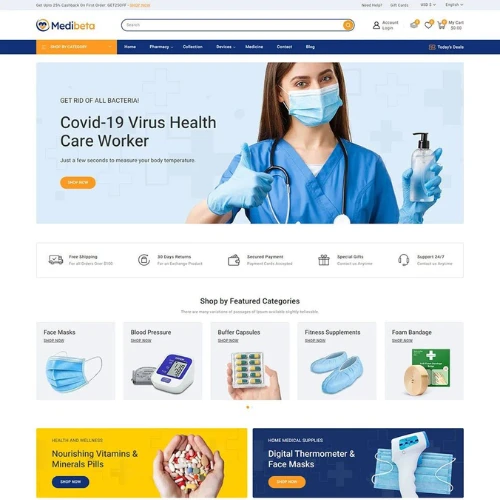
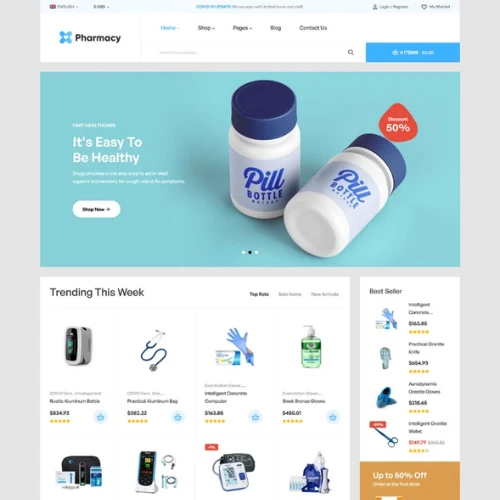
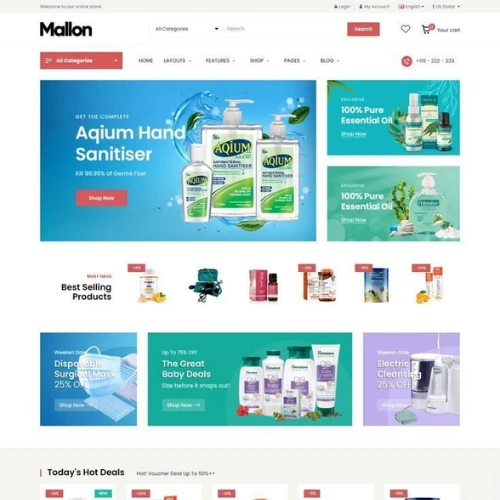
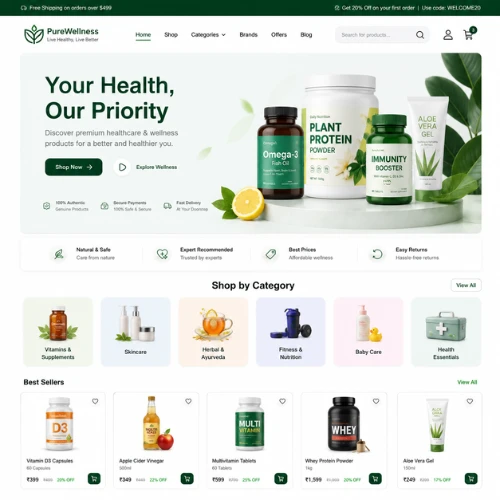
f) Healthcare & Wellness Website Design: Building Trust Before Checkout
Wellness customers are cautious buyers.
Whether it’s supplements, skincare, wellness products, or healthcare devices — people want reassurance before purchasing.
That’s precisely why these websites always need to feel:
1. clean,
2. Informative,
3. seamless,
4. transparent,
5. and professionally designed.
Educational content, certifications, trust badges, reviews, and calming layouts help build gradual confidence and credibility.
Because honestly, cluttered wellness websites immediately feel less trustworthy.
Source: https://in.pinterest.com/
Source: https://in.pinterest.com/
Source: https://in.pinterest.com/
Source: https://in.pinterest.com
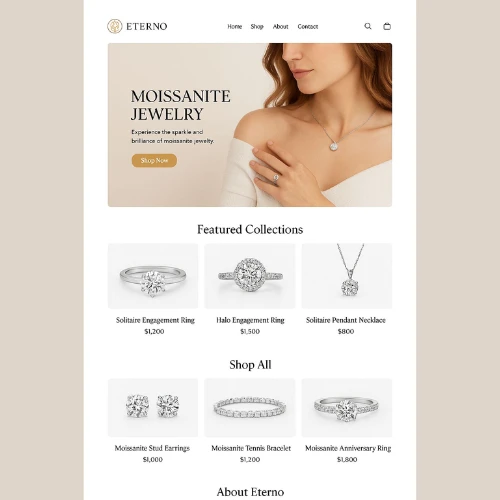
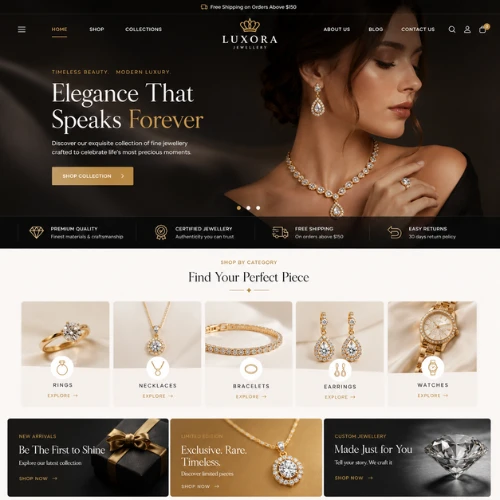
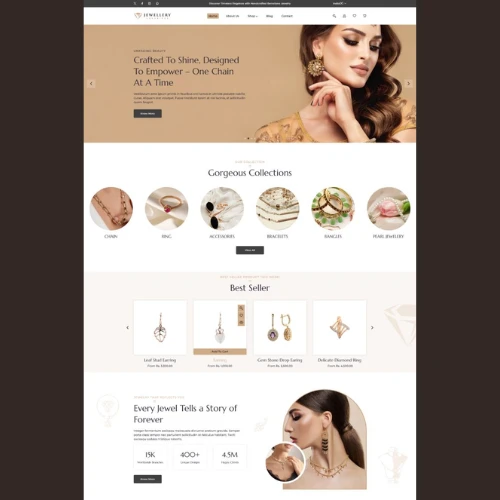
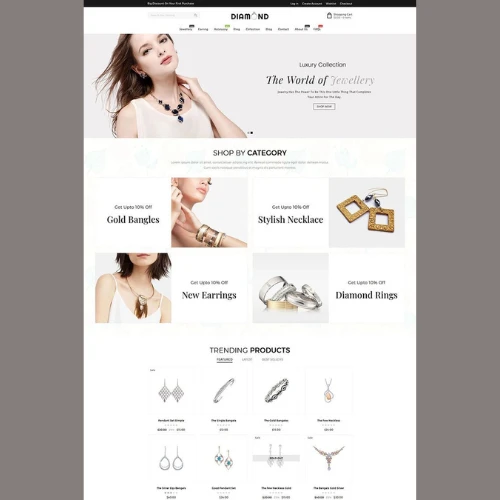
g) Jewellery & Luxury Brand Website Design: Making Premium Feel Effortless
Luxury e-commerce is all about perception.
The website itself should feel elegant, refined, and exclusive.
That doesn’t mean overdesigning everything together. In fact, luxury websites often look simpler because they rely heavily on:
1. whitespace,
2. refined typography,
3. cinematic visuals,
4. subtle animations,
5. and premium storytelling.
Every detail should feel intentional.
Because when customers spend more money online, they expect the entire experience to feel elevated, too.
Source: https://in.pinterest.com/
Source: https://in.pinterest.com/
Source: https://in.pinterest.com/
Source: https://in.pinterest.com
E-commerce Website Design Tips Professional Designers Actually Follow
Good e-commerce design is not about adding more things to a website. It is more about removing confusion.
The best e-commerce designers focus heavily on customer behaviour and buying psychology while creating layouts that feel smooth and natural.
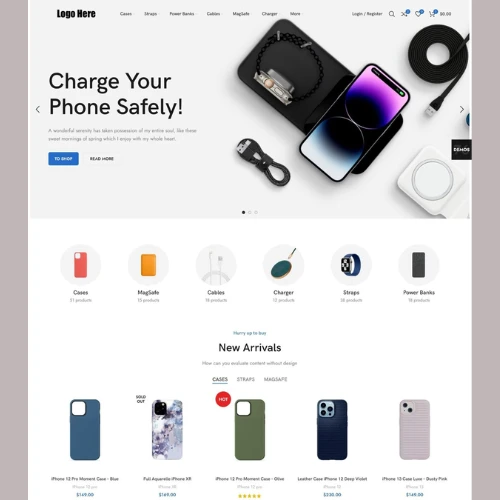
1. Start with Absolute Clarity Instead of Overcomplicating Everything
Many e-commerce brands try too hard to look “creative.”
But customers are not visiting your website to admire experimental design. They’re visiting because they want to shop easily.
That’s why clarity matters so much here.
The moment someone lands on your homepage, they should instantly understand:
1. what your brand sells,
2. who it is for,
3. What makes your brand design so special,
4. and where should they click next?
Simple websites often convert better because they reduce mental effort for customers.
Source: https://in.pinterest.com/
Source: https://in.pinterest.com/
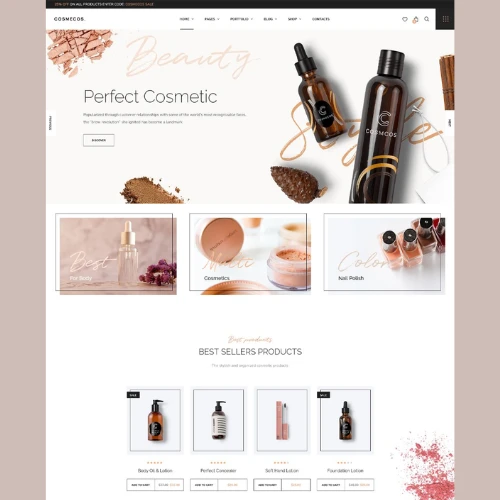
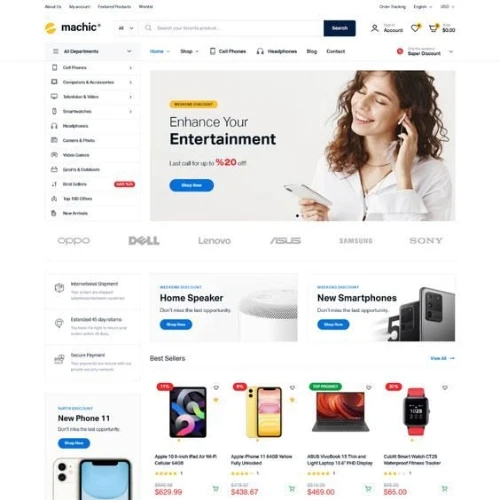
2. Design Navigation That Feels Effortless to Explore
Good navigation almost feels invisible.
Customers should naturally move from one category to another without thinking too much.
That’s why successful e-commerce websites always focus heavily on:
1. clean menus,
2. organised categories,
3. smart filters,
4. predictive search,
5. Smooth scrolling
6. and mobile-friendly navigation.
When browsing feels easy, customers tend to stay longer and explore more products naturally.
Source: https://in.pinterest.com/
Source: https://in.pinterest.com/
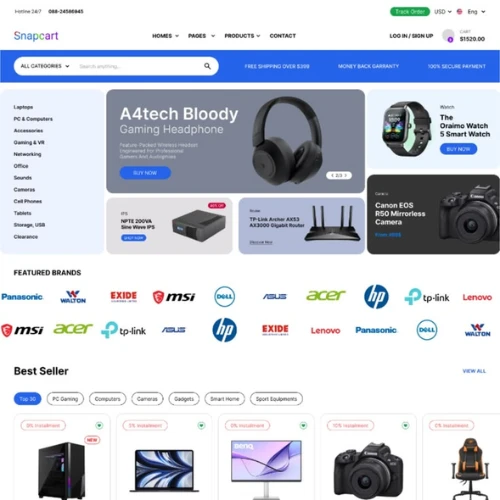
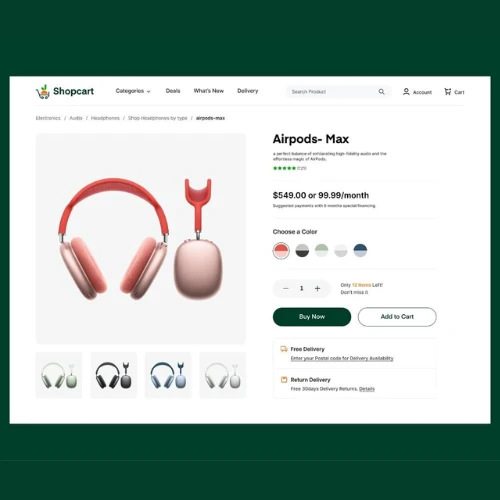
3. Prioritise the Entire Customer Journey, Not Just the Homepage
Some e-commerce websites look beautiful on the homepage, but become frustrating deeper inside.
Real e-commerce design focuses on the entire shopping experience:
1. homepage,
2. product pages,
3. collection browsing,
4. cart experience,
5. checkout flow,
6. follow-ups,
7. post-purchase communication
And more…
All of these aspects matter way more than you would expect. Everything should feel connected and smooth.
Because conversions don’t happen from one pretty banner alone. They happen through the overall experience.
Source: https://in.pinterest.com/
Source: https://in.pinterest.com/
4. Keep Your Website Fast, Smooth, and Frustration-Free
Speed affects sales more than most brands realise.
Even a few extra loading seconds can increase your website’s bounce rates massively.
Customers today expect websites to feel super quick and streamlined, especially on mobile devices.
That’s why platforms like Shopify, WooCommerce, and Magento are commonly used for scalable e-commerce performance.
Because honestly, no matter how beautiful a website looks, slow websites lose customers quickly.
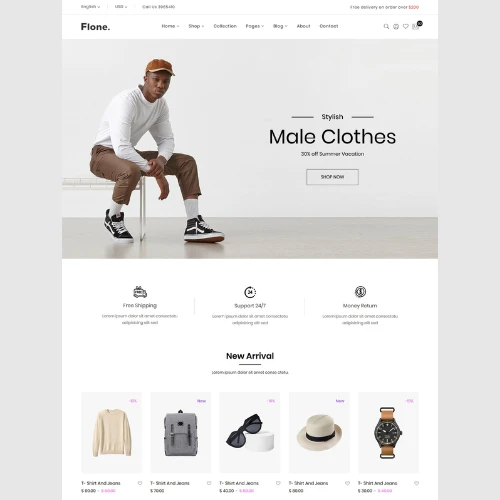
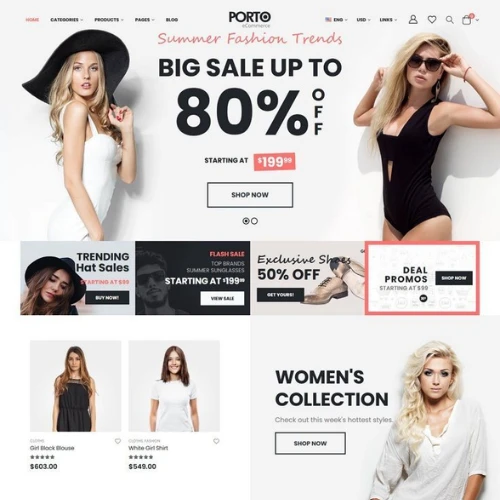
5. Use Visuals That Sell the Experience, Not Just the Product
Great e-commerce visuals create emotion.
Instead of only showing plain product photos, successful brands use:
1. lifestyle photography,
2. close-up textures,
3. real usage scenarios,
4. and cinematic product visuals
to help customers emotionally imagine the product in their lives.
And that emotional imagination strongly influences conversions.
Source: https://in.pinterest.com/
Source: https://in.pinterest.com/
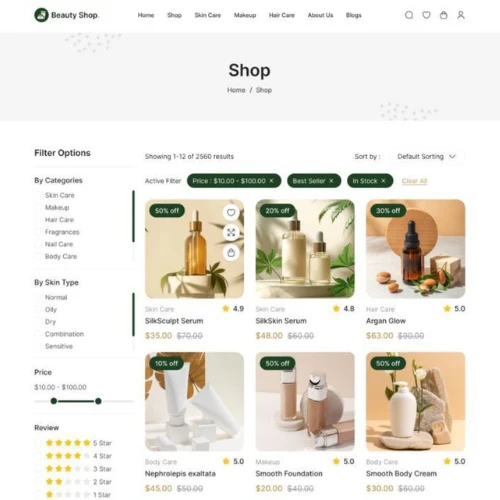
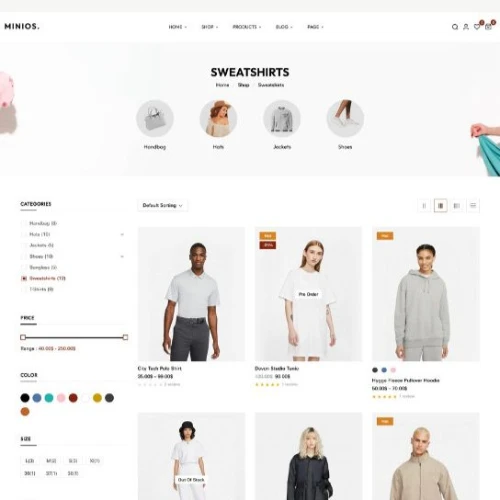
6. Make Product Discovery Feel Smooth and Exciting
Nothing really kills an e-commerce experience faster than struggling to find products.
That’s why strong product discovery systems matter so much in this era.
Features like:
1. personalized recommendations,
2. category filters,
3. related products,
4. “frequently bought together,”
5. and intelligent search
quietly improve the overall shopping experience while also increasing average order value.
Source: https://in.pinterest.com/
Source: https://in.pinterest.com/
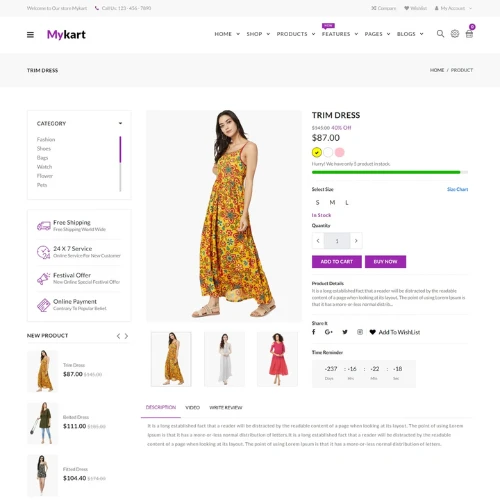
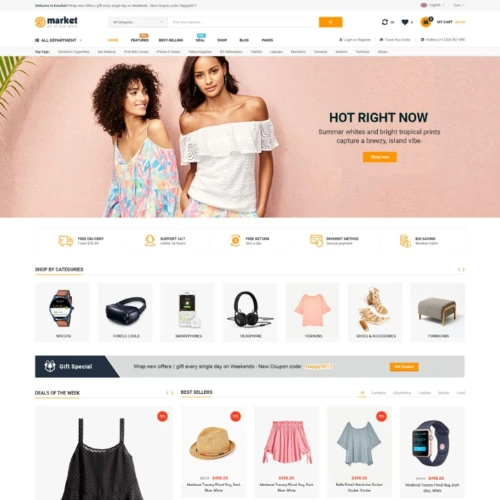
7. Test Designs Regularly Instead of Assuming What Works
Even experienced e-commerce designers continuously test different kinds of layouts and customer behaviour.
Sometimes even tiny changes in:
1. CTA placement,
2. button wording,
3. image size,
4. or checkout flow
can create huge differences in conversion rates.
Testing helps websites improve steadily over time instead of relying on guesswork.
Source: https://in.pinterest.com/
Source: https://in.pinterest.com/
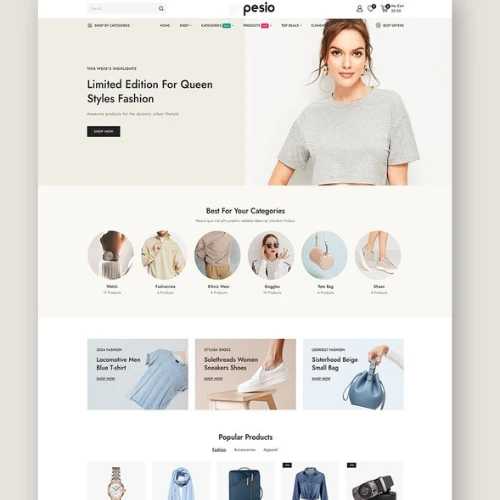
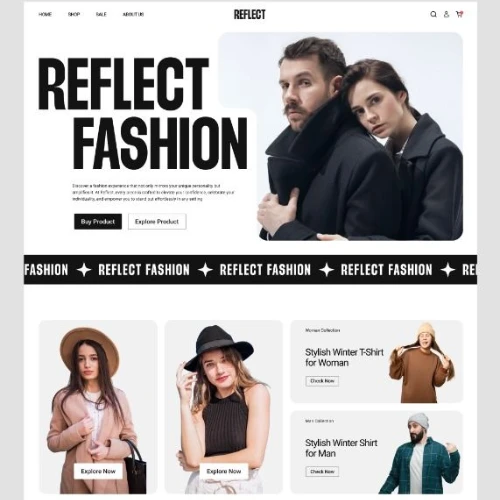
8. Use White Space Strategically
Whitespace is one of the most underrated design tools.
Clean spacing makes e-commerce websites feel:
1. calmer,
2. easier to browse,
3. more premium,
4. and visually organised.
Overcrowded layouts overwhelm customers quickly.
Good spacing helps important elements stand out naturally.
Source: https://in.pinterest.com/
Source: https://in.pinterest.com/
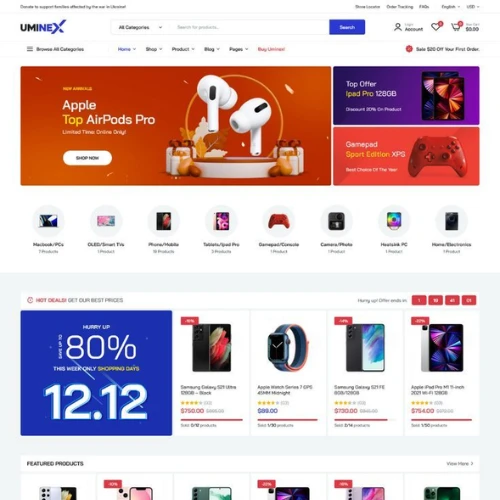
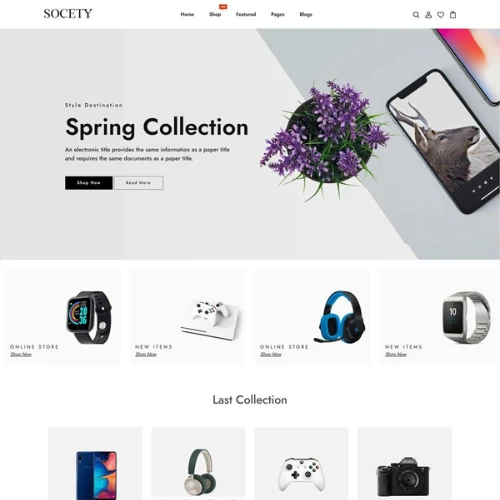
9. Use CTAs That Feel Encouraging Instead of Aggressive
Modern e-commerce customers dislike anything that is overly pushy in sales.
That’s why going for softer, more conversational CTAs instead gives your business a better edge.
Instead of screaming:
“BUY NOW!”
brands now use phrases like:
1. “Find Your Match”
2. “Explore the Collection”
3. “Build Your Routine”
which feel far more inviting and natural.
Source: https://in.pinterest.com/
Source: https://in.pinterest.com/
Let’s Look at Some E-Commerce Brands That Are Doing Website Design Really Well
The best e-commerce websites truly shine because of all the abovementioned factors. Here’s a quick brief of how different e-commerce websites are doing so well in their industries.
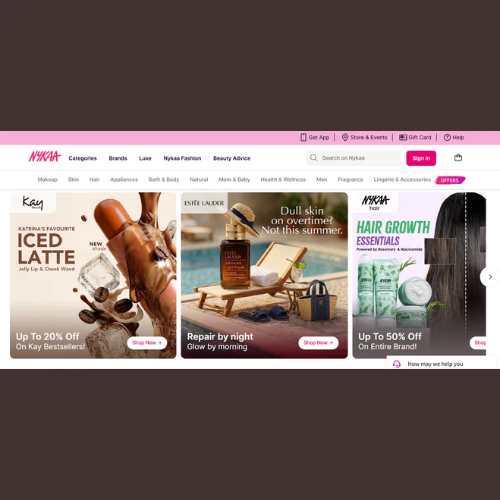
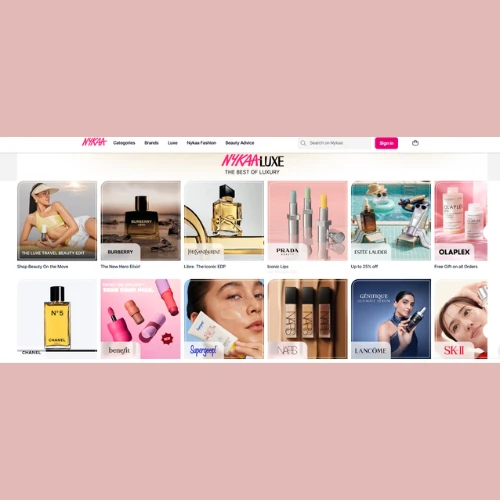
i) Nykaa
Nykaa combines beauty content, product discovery, influencer integration, and smooth mobile shopping beautifully. Their browsing experience feels organised, premium, and highly user-friendly.
Source: https://in.pinterest.com/
Source: https://in.pinterest.com/
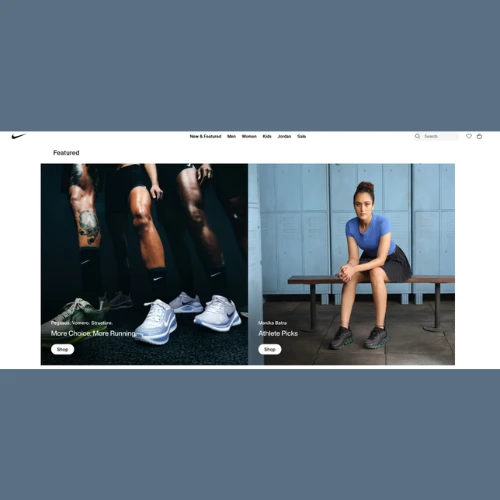
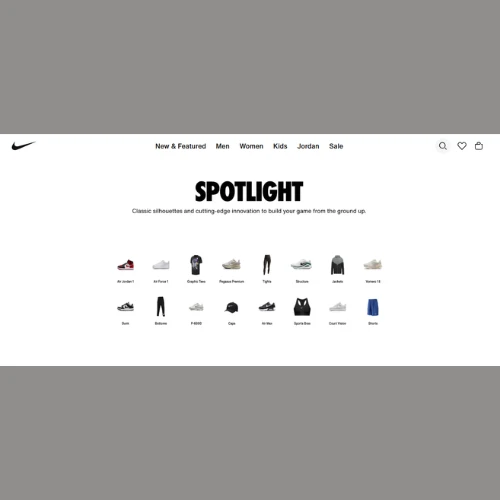
ii) Nike
Nike creates an immersive e-commerce experience through bold visuals, emotional storytelling, and highly optimised mobile performance that makes shopping feel energetic and exciting.
Source: https://in.pinterest.com/
Source: https://in.pinterest.com/
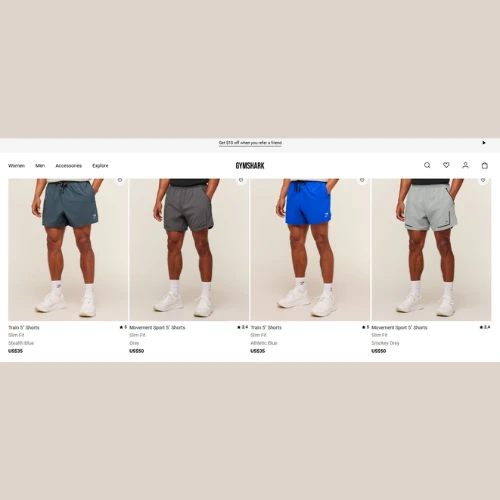
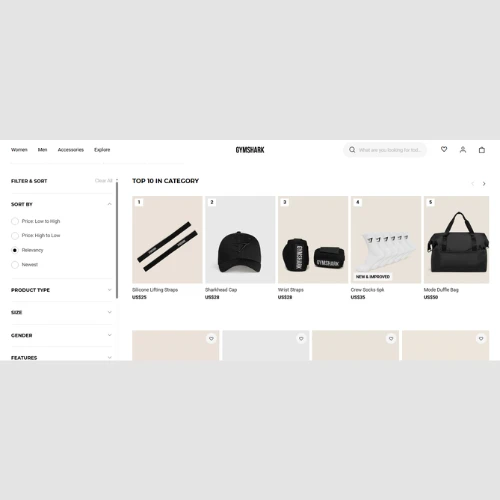
iii) Gymshark
Gymshark’s e-commerce design feels modern, community-driven, and visually clean. Their integration of fitness culture and product experience works extremely well.
Source: https://in.pinterest.com/
Source: https://in.pinterest.com/
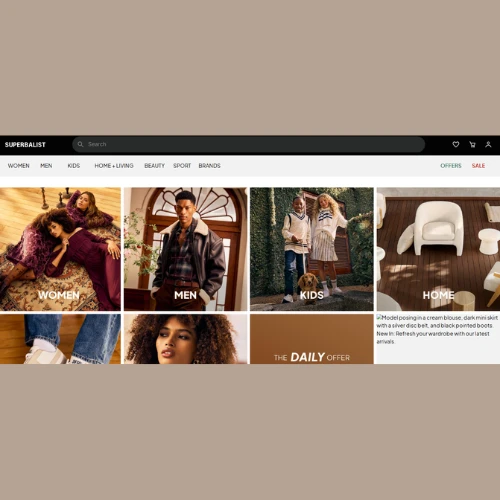
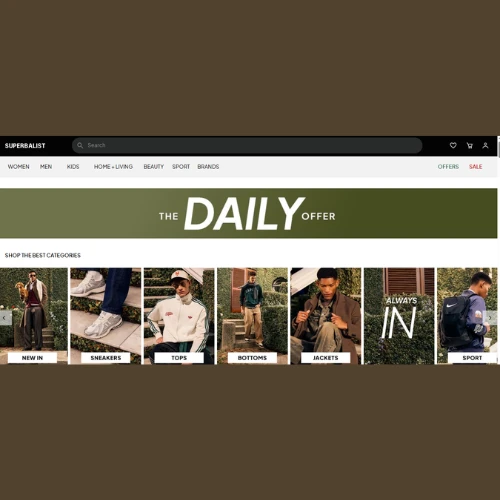
iv) Superbalist
Superbalist uses youthful visuals, bold layouts, and fast browsing systems to create an e-commerce experience that feels fun, dynamic, and engaging.
Source: https://in.pinterest.com/
Source: https://in.pinterest.com/
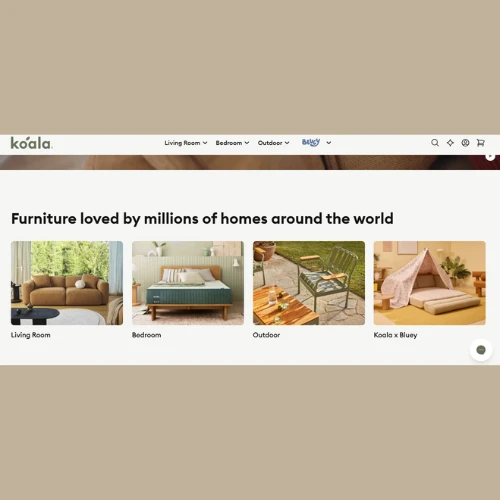
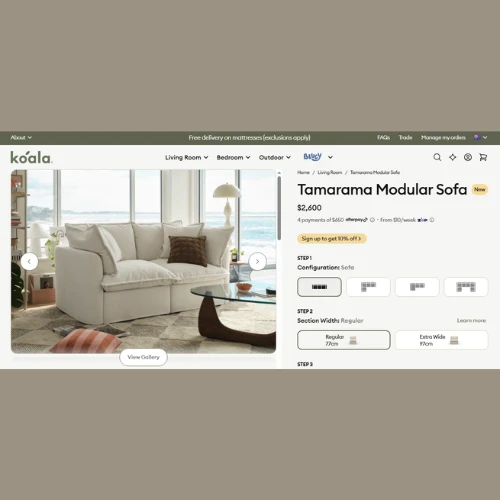
v) Koala
Koala simplifies furniture shopping beautifully through playful storytelling, minimal layouts, and extremely easy product discovery systems.
Source: https://in.pinterest.com/
Source: https://in.pinterest.com/
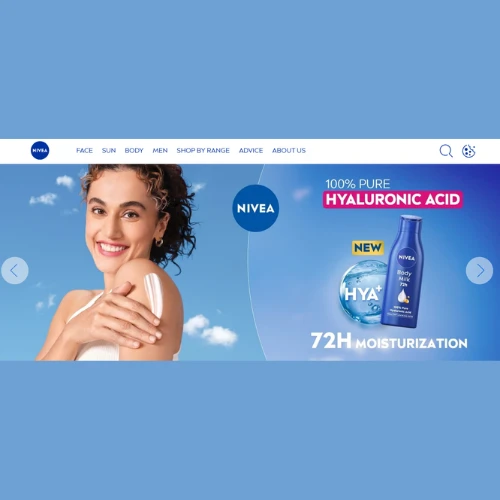
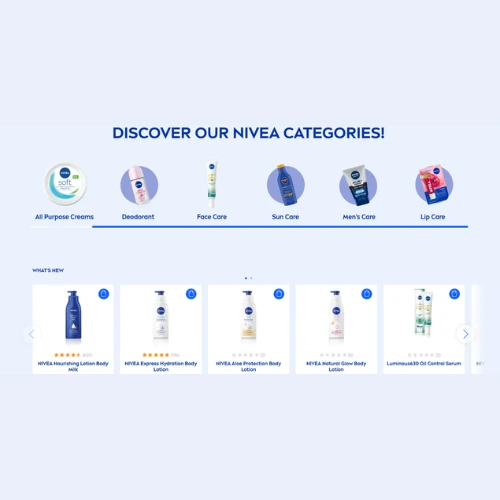
vi) NIVEA
NIVEA focuses heavily on trust, clarity, skincare education, and product simplicity — which makes the ecommerce experience feel reliable and easy to navigate.
Source: https://in.pinterest.com/
Source: https://in.pinterest.com/
Final Thoughts:
Today, e-commerce success depends mostly on the overall customer experience.
People expect websites to feel smooth, fast, trustworthy, visually engaging and super effortless to use. And honestly, even amazing products struggle when the shopping experience feels frustrating.
At DesignerPeople, we help brands create the best e-commerce websites that actually balance strategy, design, psychology, and conversion-focused thinking beautifully. From Shopify and WooCommerce stores to custom premium e-commerce experiences, we design websites that not only attract visitors but also turn them into your loyal customers.
Thus, connect with us right now. Because in modern e-commerce, great design doesn’t just make websites look beautiful anymore. It quietly helps your brand sell better every single day.
Author: Anush Malik

Being a strategist’s head and a long term visionary personality aims to achieve excellence in branding, packaging and digital marketing field. My 22 years of design experience and masters degree is my strength which keeps me motivated and keep me going positively. I have participated in extensive branding design conquests in India, USA, Australia and New Zealand with winning zeal. My objective is to encourage start-ups and hence involves actively in the articles which will act as a productive intake of knowledge for them. Do connect me personally via my LinkedIn and I love to share my expertise with you.