
A few years ago, a small business could survive with a Facebook page, a Google Business Profile, and a phone number. Today, that’s no longer enough.
Whether you’re running a neighbourhood café, a startup, a law firm, a salon, or an e-commerce store, customers almost always check your website before making a decision. Nearly 75% of users judge a business’s credibility based on its website design.
When you discover a new business, what is the first thing you do? You search for its website. If the site looks outdated, confusing, or unprofessional, doubts immediately start creeping in, right?
A well-designed website does much more than look attractive. It builds trust, generates enquiries, showcases expertise, answers customer questions, and converts visitors into paying customers. For startups and small businesses, a great website can level the playing field faster than almost any other marketing investment.
In this guide, we will explore 154+ stunning website design ideas, industry-specific layouts, and some practical strategies that will help your business create websites that don’t just attract visitors. They drive real business growth!
Table of Contents
Why Every Startup and Small Business Needs a Website That Works Around the Clock
Many business owners still see a website as a digital brochure. In reality, it has become one of the most powerful growth tools available to small businesses.
Let’s look at why.
a) Build Brand Authority Before Customers Even Call
The first impression often happens online.
When someone lands on your official website, they immediately begin evaluating your credibility. A professionally designed website communicates that your business is legitimate, established, and trustworthy.
Design elements influence how trustworthy users perceive a company to be. That’s why businesses with polished websites often appear way more reliable than competitors with outdated online presences.
Customers may not know your experience level, certifications, or success stories yet, but they can instantly judge your website.
b) Generate Leads Even While You’re Sleeping
Unlike a physical office, your website never closes.
Potential customers can browse services, view products, read reviews, submit enquiries, and schedule appointments at any time of day.
HubSpot reports that businesses using effective lead-generation websites consistently capture more qualified enquiries than businesses relying solely on offline marketing.
A website essentially becomes your 24/7 sales representative.
c) Earn Customer Trust Faster
Trust is one of the biggest challenges for startups and local businesses.
People want reassurance before spending money. They want to know who they’re dealing with, what others think, and whether the business delivers on its promises.
Your website should address all the common concerns throughout:
1. Client testimonials
2. Reviews
3. Certifications
4. Team introductions
5. Case studies
6. Project portfolios
7. Frequently asked questions
The more information customers can verify on your website, the more comfortable they feel moving forward.
d) Sell Products Beyond Your Local Area
A physical store limits you to local foot traffic.
An e-commerce-enabled website opens opportunities to reach customers across cities, states, and even countries.
According to Statista, global e-commerce sales continue to grow year after year, creating massive opportunities for small businesses willing to sell online.
Even businesses that primarily operate offline can benefit massively from online ordering, bookings, or consultations.
e) Showcase Your Best Work
For service businesses, seeing is believing.
A strong portfolio section is one of the best ways to convince customers way faster than the usual lengthy sales pitches.
Whether you are:
1. An architect
2. Interior designer
3. Photographer
4. Contractor
5. Digital agency
6. Manufacturer
Your website becomes the perfect place to demonstrate your expertise visually.
f) Capture Valuable Customer Enquiries
Many visitors won’t call immediately.
Instead, they will fill out a contact form, request a quote, download a brochure, or ask a question.
These enquiries become valuable sales opportunities that might otherwise disappear.
An effective website ensures interested prospects have multiple ways to connect.
g) Improve Local Search Visibility
Google continues prioritising businesses with strong online presences.
82% of consumers read online reviews before trusting a local business.
A properly optimised website helps improve rankings for searches such as:
1. Best dentist near me
2. Salon in Kolkata
3. Interior designer in Delhi
4. Family lawyer in Mumbai
According to Google, local intent searches continue growing every year.
This makes website visibility extensively essential for small businesses.
h) Create a Better Customer Experience
Customers want quick answers.
A website can provide:
1. Pricing information
2. Service details
3. Booking options
4. Business hours
5. Directions
6. Product specifications
Instead of making customers work harder, your website makes their decision easier.
And easier decisions often lead to more conversions.
Website Layout Ideas That Work Across Different Small Business Industries
Every industry serves different customers, which means every website should be designed differently.
Here’s how successful businesses structure their websites.
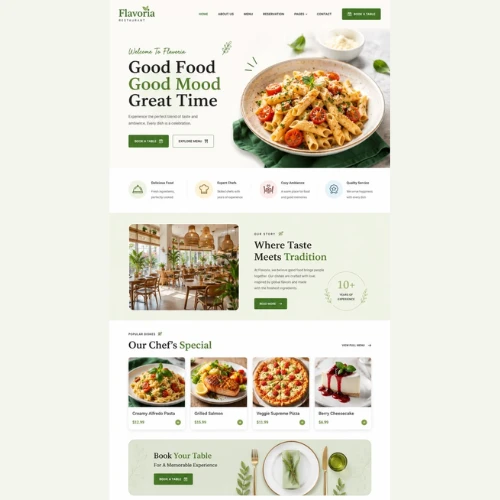
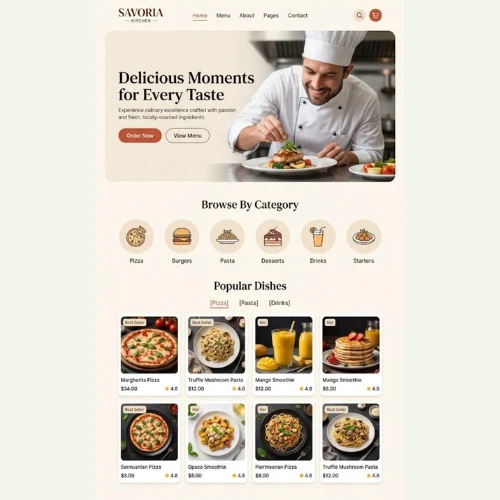
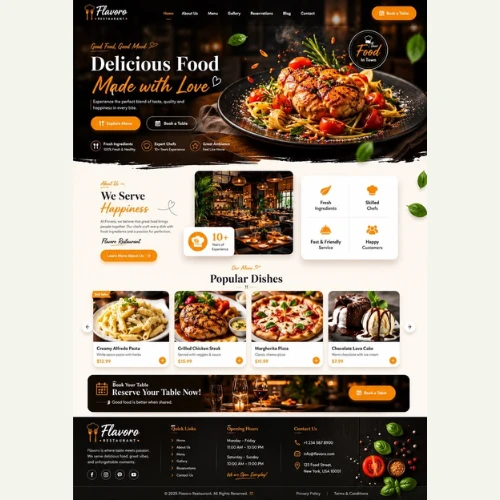
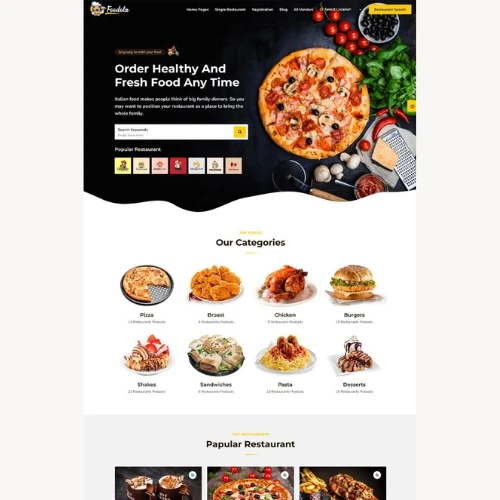
1. Restaurant Websites That Make Visitors Hungry Instantly
Restaurant website design should focus heavily on visuals.
High-quality food photography, online menus, reservations, location details, and customer reviews should be easy to access.
Customers usually decide within seconds whether they want to visit based on what they see online.
Popular features include:
1. Online ordering
2. Table booking
3. Menu galleries
4. Location maps
5. Chef stories
And more…
Source: https://in.pinterest.com/
Source: https://in.pinterest.com/
Source: https://in.pinterest.com/
Source: https://in.pinterest.com
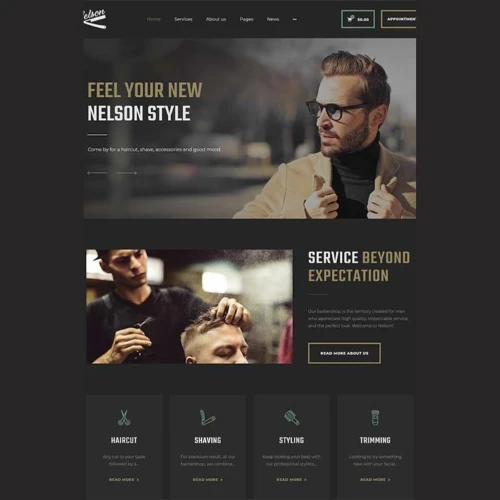
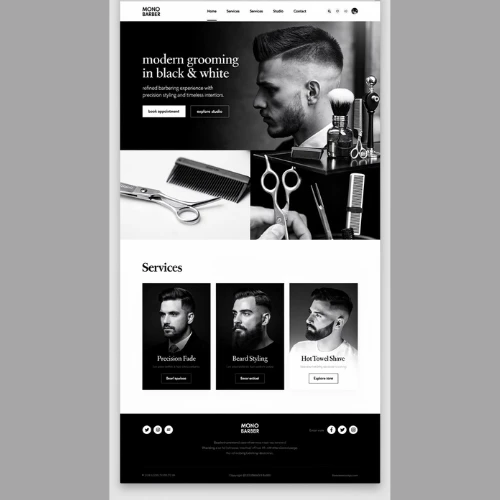
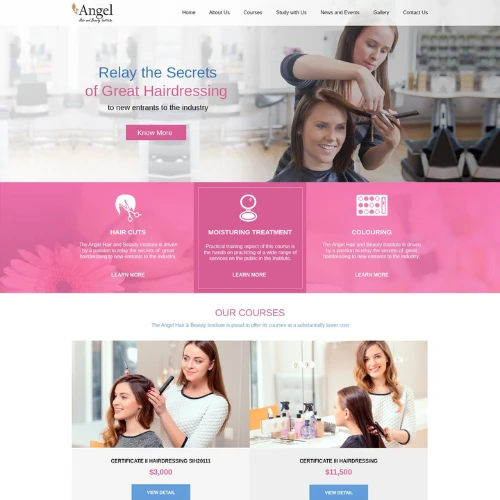
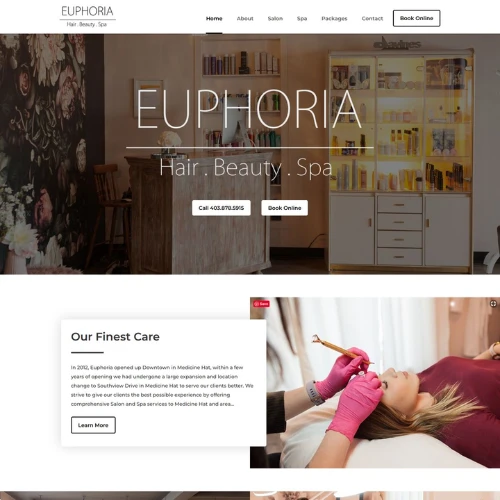
2. Salon Websites That Turn Browsers into Appointments
Salon websites thrive on visual transformation.
Before-and-after content, stylist profiles, treatment information, pricing, and online booking systems are extremely crucial in this industry.
Visitors should instantly understand what makes your salon truly unique.
Many successful salons also integrate Instagram content directly into their websites.
Source: https://in.pinterest.com/
Source: https://in.pinterest.com/
Source: https://in.pinterest.com/
Source: https://in.pinterest.com
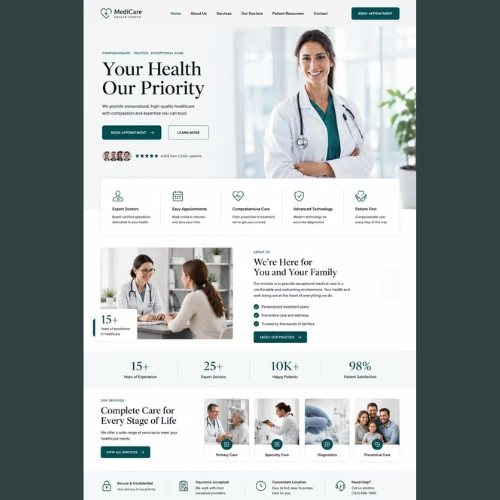
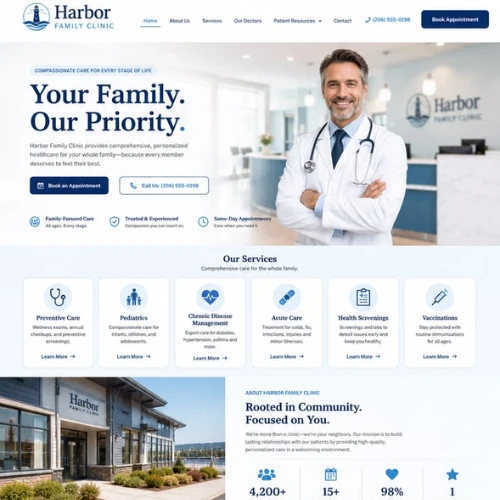
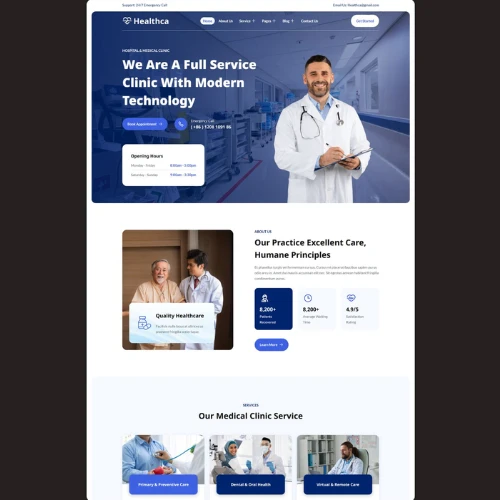
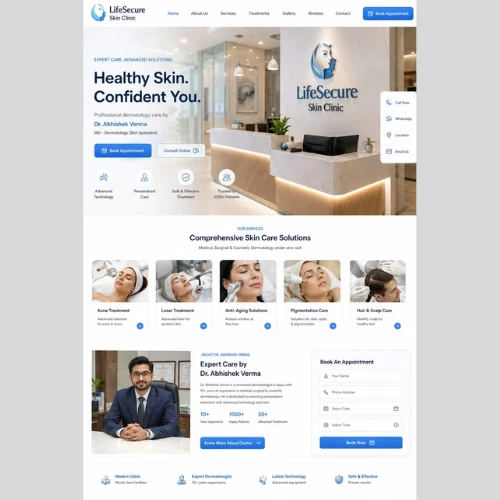
3. Medical Clinic Websites That Build Confidence Before the First Visit
Healthcare websites must always prioritise trust over everything.
Patients always arrive anxious and looking for reassurance in this sector.
Key sections include:
1. Doctor credentials
2. Treatment information
3. Appointment scheduling
4. Patient testimonials
5. FAQs
6. Emergency contact information
7. Ambulance contact information
Source: https://in.pinterest.com/
Source: https://in.pinterest.com/
Source: https://in.pinterest.com/
Source: https://in.pinterest.com
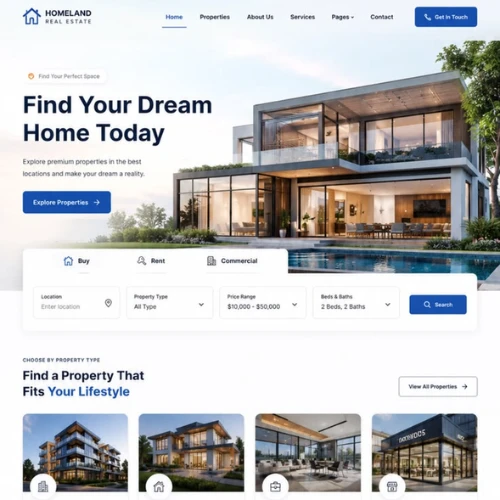
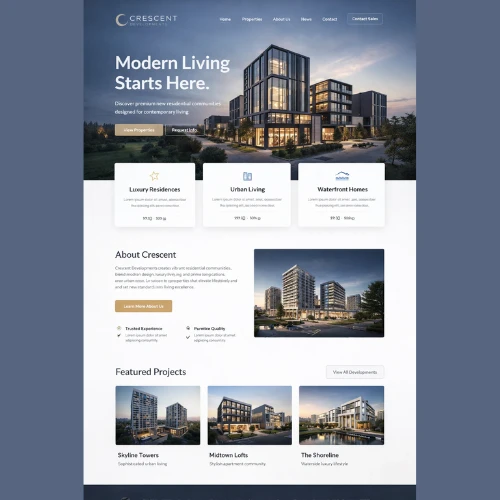
4. Real Estate Websites That Showcase Properties Beautifully
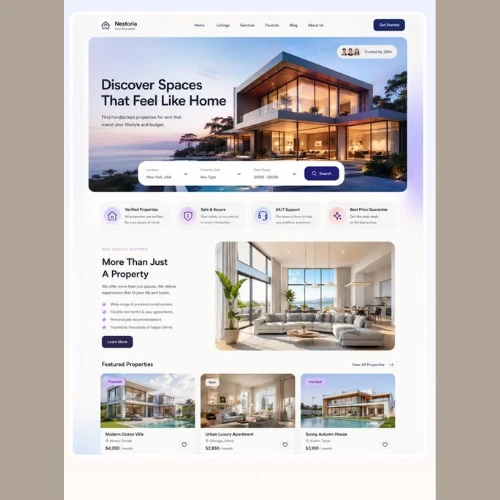
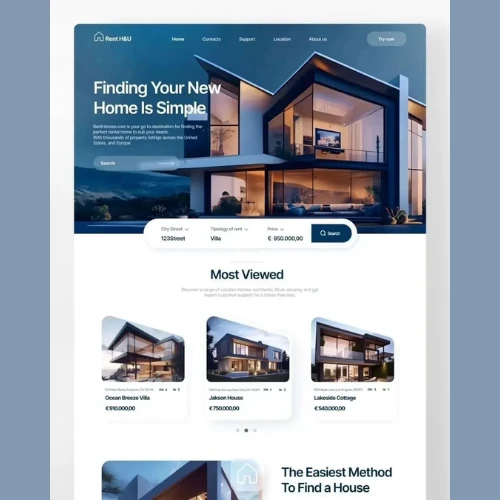
Property buyers want information quickly. And the information should be accurate.
Real estate website design should feature:
1. Property galleries
2. Virtual tours
3. Interactive maps
4. Lead forms
5. Agent profiles
6. Market insights
The easier properties are to browse, the higher the enquiry rates.
Source: https://in.pinterest.com/
Source: https://in.pinterest.com/
Source: https://in.pinterest.com/
Source: https://in.pinterest.com
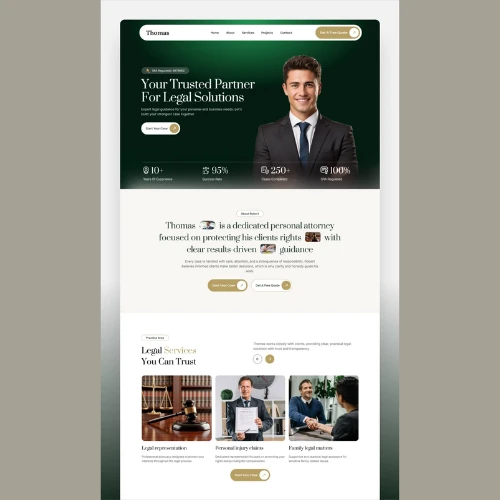
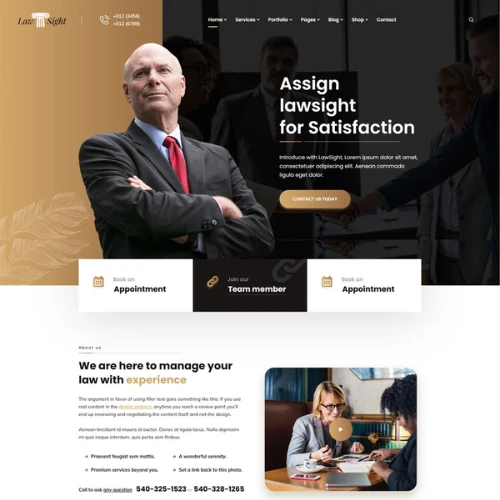
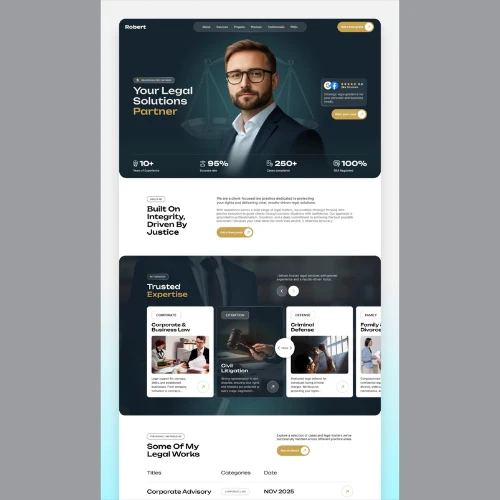
5. Law Firm Websites That Establish Expertise
Your legal website should showcase confidence, authority and professionalism in this industry.
Successful law firm websites highlight aspects, like:
1. Practice areas
2. Lawyer profiles
3. Client reviews
4. Legal resources
5. Case studies
6. Consultation booking
Trust truly remains the primary conversion factor.
Source: https://in.pinterest.com/
Source: https://in.pinterest.com/

Source: https://in.pinterest.com/
Source: https://in.pinterest.com
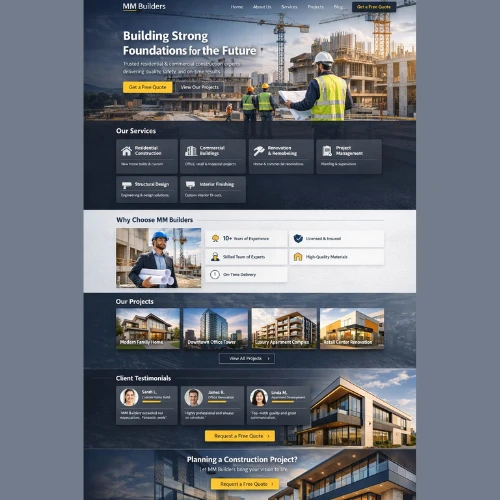
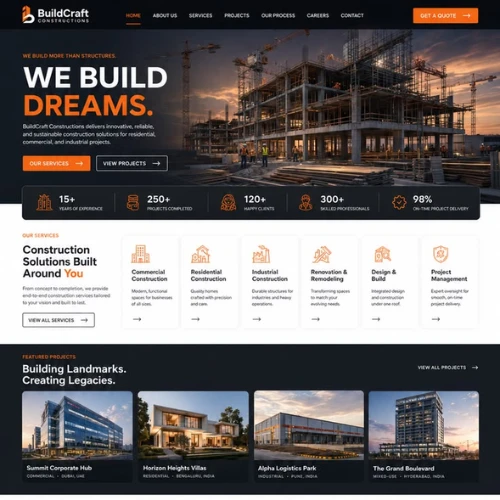
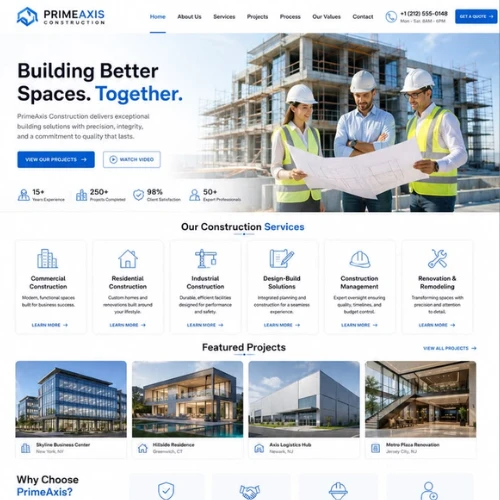
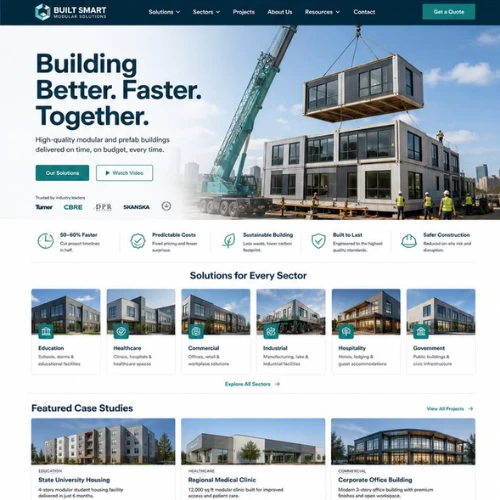
6. Construction Company Websites That Demonstrate Capability
Construction clients want proof of performance.
Project portfolios, completed works, certifications, safety standards, and client testimonials should take centre stage.
Strong project photography often becomes the most persuasive element.
Source: https://in.pinterest.com/
Source: https://in.pinterest.com/
Source: https://in.pinterest.com/
Source: https://in.pinterest.com
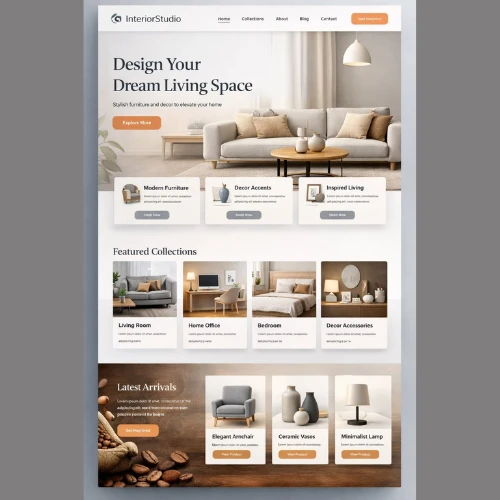
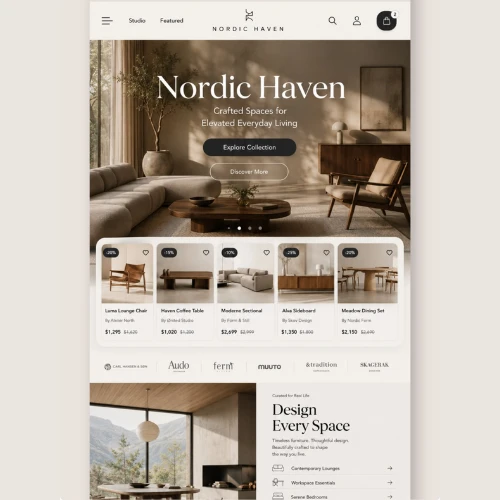
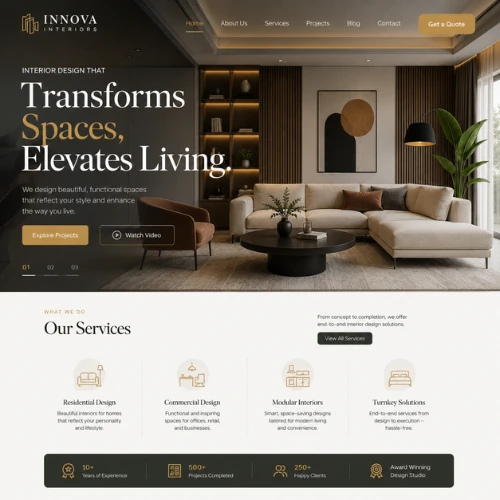
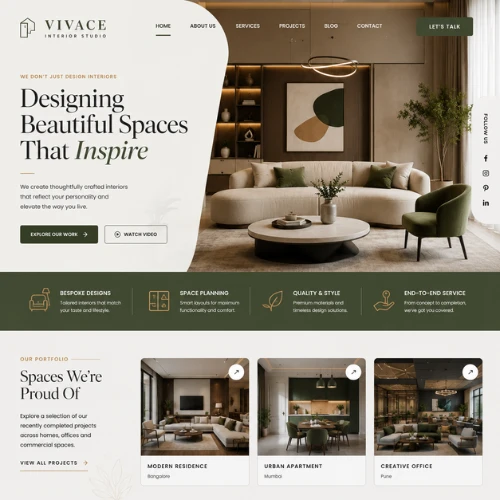
7. Interior Design Websites That Inspire Visitors
Interior design websites need to feel visually aspirational.
Large project galleries, design philosophies, client stories, and service breakdowns help visitors imagine possibilities for their own spaces.
The website itself should reflect strong design principles.
Source: https://in.pinterest.com/
Source: https://in.pinterest.com/
Source: https://in.pinterest.com/
Source: https://in.pinterest.com
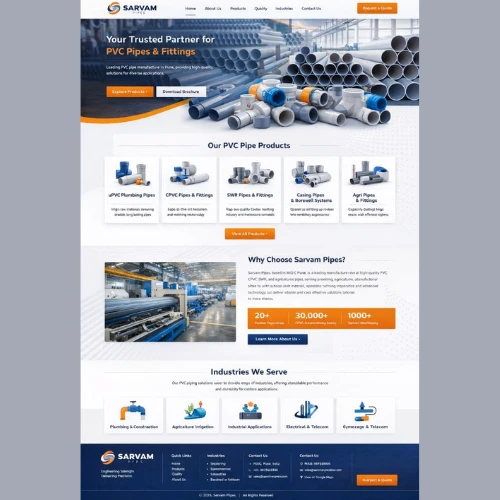
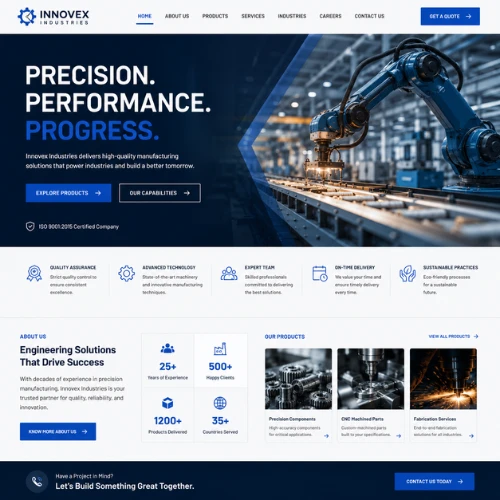
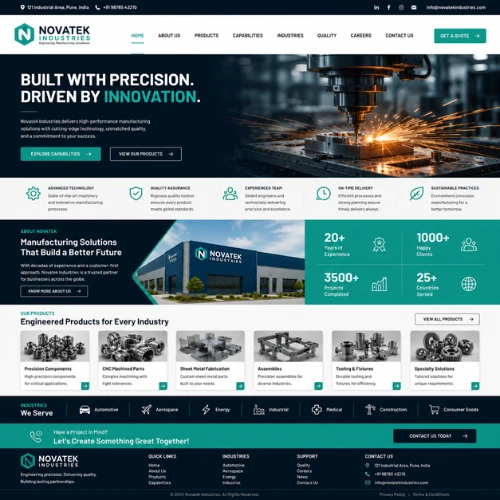
8. Manufacturing Company Websites That Build B2B Confidence
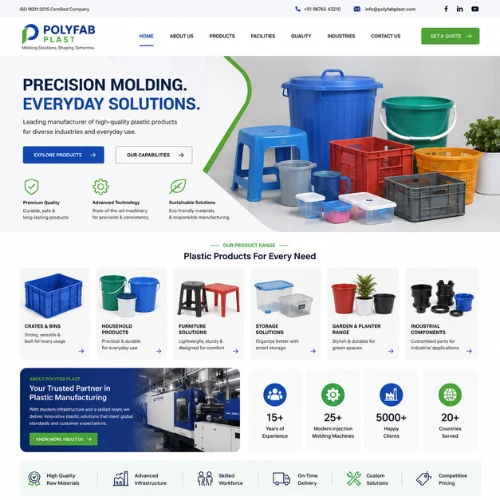
Manufacturing websites often focus on capabilities rather than aesthetics alone.
Visitors want details about:
1. Production facilities
2. Certifications
3. Product catalogues
4. Industries served
5. Quality standards
6. Technical expertise
Source: https://in.pinterest.com/
Source: https://in.pinterest.com/
Source: https://in.pinterest.com/
Source: https://in.pinterest.com
9. Ecommerce Websites That Simplify Shopping
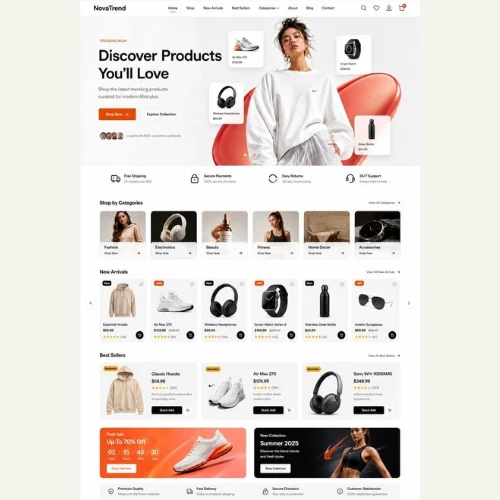
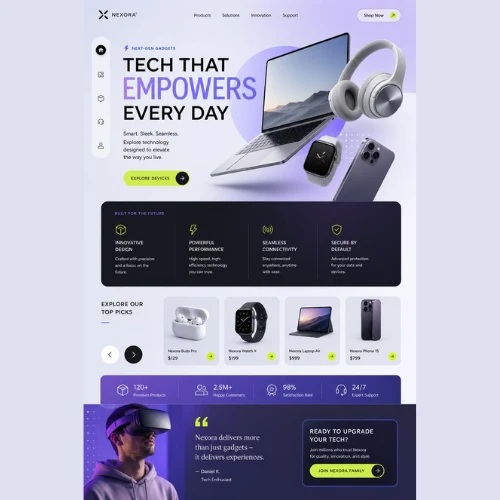
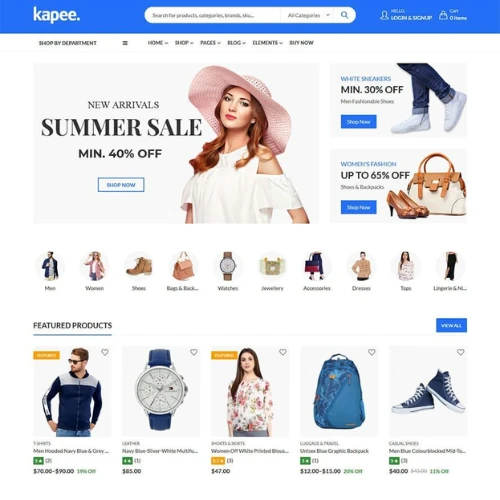
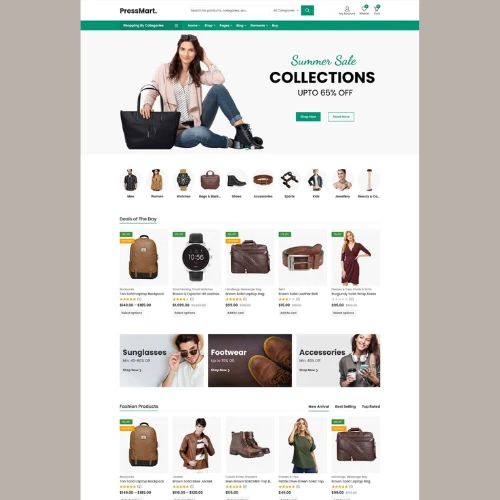
Online stores succeed only when customers can find products effortlessly and quickly.
Ensure the following aspects in your e-commerce website design:
1. Fast-loading pages
2. Clear product categories
3. High-quality product images
4. Secure checkout
5. Reviews
6. Mobile responsiveness
Every extra click increases abandonment risk.
Source: https://in.pinterest.com/
Source: https://in.pinterest.com/
Source: https://in.pinterest.com/
Source: https://in.pinterest.com
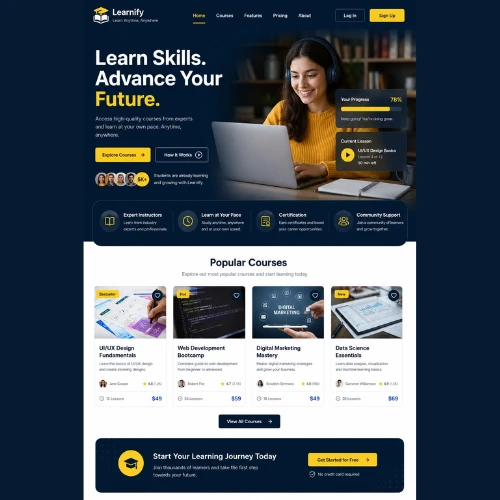
10. Educational Institute Websites That Inform and Reassure
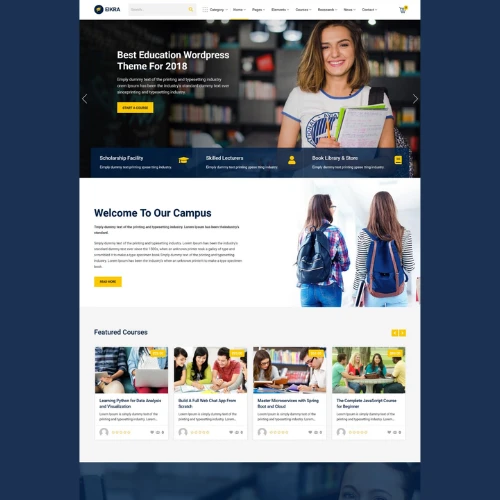
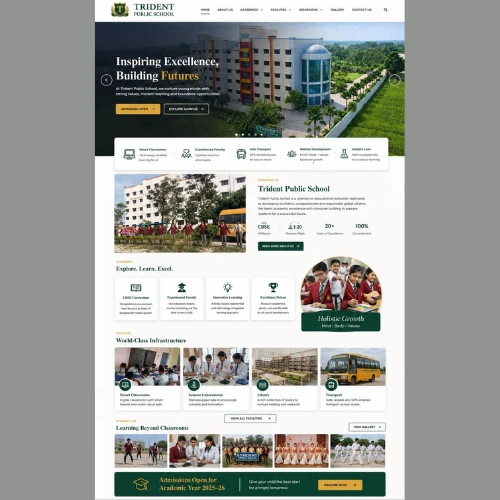
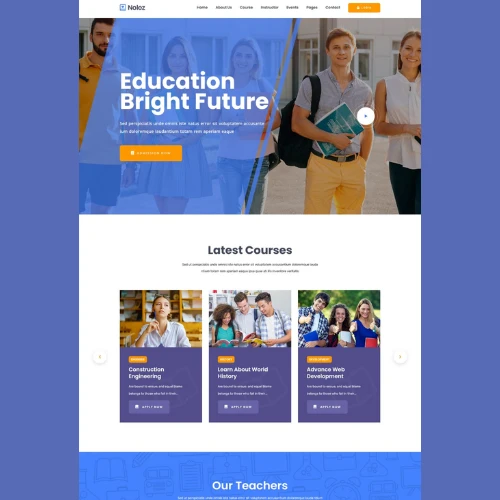
Students and parents both visit educational websites consistently.
Include all the important sections such as:
1. Courses
2. Admissions
3. Faculty profiles
4. Facilities
5. Student achievements
6. Contact information
Clear communication builds trust and improves enquiries.
Source: https://in.pinterest.com/
Source: https://in.pinterest.com/
Source: https://in.pinterest.com/
Source: https://in.pinterest.com
How to Design a Small Business Website That Actually Converts Visitors into Customers?
Creating a beautiful website is only half the job. It also needs to generate results. Here’s a quick step-by-step guide outlined for you.
Step 1: Study Competitors Before Designing Anything
Before building your website, examine competitors carefully.
Look at:
1. Their strengths
2. Their weaknesses
3. Their messaging
4. Their navigation
5. Their calls-to-action
Understanding the market is the best way to identify opportunities to stand out.
Step 2: Understand the Customer Journey
When designing the website, ask yourself:
What questions does a visitor have when arriving?
What concerns need addressing?
What information helps them make a decision?
The best websites remove every potential friction from every stage of the customer journey.
Step 3: Create Wireframes Before Visual Design
Wireframes establish structure in your website design.
They help determine various aspects of your website such as:
1. Navigation flow
2. Content hierarchy
3. Page layouts
4. User pathways
This prevents potential costly redesigns later.
Step 4: Build an Interface That Feels Simple
Good design isn’t about adding more elements.
It is all about removing distractions from the eyes.
Visitors should instantly understand:
1. Who you are
2. What you do
3. Why they should trust you
4. What action to take next
Simple websites often outperform complicated ones.
Step 5: Optimise for Search Engines
Even the best website is ineffective if nobody can find it.
Did you know that a one-second delay in page load can actually reduce conversions by up to 20%?
Your technical SEO should include all these elements:
1. Keyword research
2. Optimised headings
3. Fast loading speeds
4. Mobile responsiveness
5. Internal linking
6. Local SEO strategies
This ensures that your website is optimised enough for your users to view, scroll, and take action successfully.
Step 6: Test User Experience Before Launch
Never assume a website works perfectly. Prevention is way better than cure here.
Prioritise testing the following elements before you launch the website:
1. Navigation
2. Forms
3. Mobile experience
4. Loading speed
5. Checkout processes
6. Call-to-action visibility
Small usability improvements often produce major conversion gains.
Wrapping Up
A great small business website isn’t about flashy animations or trendy design tricks. It is all about building trust, making information easy to find, and guiding visitors toward action.
Whether you are currently running a restaurant, salon, clinic, law firm, manufacturing company, educational institution, or e-commerce brand, your website is often the first interaction customers have with your business. Make that interaction count.
At DesignerPeople, we help startups, local businesses, and growing brands create strategic websites that combine design, user experience, branding, and conversion-focused thinking. From business websites to e-commerce platforms, our team truly builds digital experiences that don’t just look professional but help your businesses grow, generate leads, and stand out in competitive markets.
Because in today’s digital-first world, a great website isn’t just any asset. It is your most valuable salesperson.
Author: Megha Malik

As a passionate entrepreneur and creative brand consultant with experience of 18 years in digital, branding and packaging industry, it is my honest effort to put my experiences and knowledge of industry towards readers. A chartered accountant by degree but a marketing personality in blood has motivated her to take in designing industry as a career. With her fun-loving personality and sharp branding skills, she is a great motivational speaker on her YouTube channel, an active member in various business channels offline as well as online. Do connect me personally via my LinkedIn and I love to share my expertise with you.