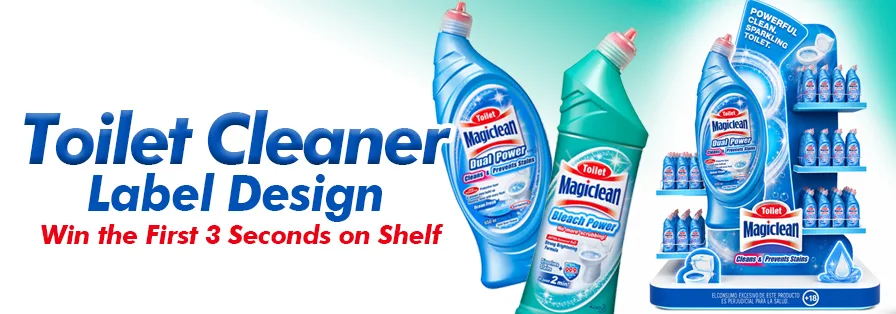

Walk into any nearest supermarket cleaning aisle, and you will surely notice something interesting. Almost every toilet cleaner promises the same thing: it kills germs, removes stains, and leaves a fresh fragrance.
Yet some bottles instantly catch your eye while others simply disappear into the shelf.
Why?
Shoppers rarely stand in front of a toilet cleaner shelf and carefully compare every product. Most buying decisions happen quickly. Packaging design become the first thing consumers notice before they read a single feature or benefit. Research consistently shows that packaging plays a significant role in influencing purchase decisions across FMCG categories.
72% of consumers say packaging design influences their purchase decisions, proving that visual presentation often impacts buying behaviour before the product itself gets evaluated.
For toilet cleaner brands, label design isn’t decoration. It is indeed a silent salesperson working 24/7.
A strong label communicates hygiene, trust, effectiveness, safety, fragrance, and brand credibility within seconds. If it fails to do that, even a great product can struggle to get picked up from the shelf.
Let’s understand what separates average toilet cleaner labels from the ones consumers notice immediately, along with 110+ amazing toilet cleaner label designs for your upcoming launch.
Table of Contents
The First 3 Seconds: How Shoppers Actually Scan Toilet Cleaner Bottles
At DesignerPeople, we often say that consumers don’t read packaging first. They scan it.
When shoppers walk through a cleaning aisle, their eyes typically follow a simple pattern:
Step 1: Notice colour and shape.
Step 2: Identify the product category.
Step 3: Look for the key promise.
Only after these three steps do they start reading details.
This behaviour aligns with research showing that packaging serves as a critical point-of-sale communication tool and influences purchase decisions, especially in fast-moving consumer goods categories where buyers make decisions under time pressure.
For toilet cleaners specifically, shoppers are often looking for:
1. Germ protection
2. Tough stain removal
3. Fragrance
4. Trusted brand name
5. Safety assurance
If your label doesn’t communicate these quickly, consumers may move to the next bottle without a second thought.
This is why we call it the DesignerPeople 3-Second Shelf Test:
1. Can a shopper understand:
2. What is your product?
3. What does it do?
4. Why should they trust it within three seconds?
If yes, you are already ahead of many competitors.
The Building Blocks of a Toilet Cleaner Label That Actually Sells
Put Your Brand Name Where Eyes Naturally Land
Many brands make the mistake of shrinking their logo and giving more space to decorative graphic design.
The brand name should be visible from a distance.
Consumers often buy familiar brands when it comes to household cleaning because these products are directly associated with hygiene and safety. A clear logo helps build recall and trust over time.
The easier your brand is to spot, the easier it becomes to earn repeat purchases.
a) Make Product Variants Impossible to Miss
Today’s toilet cleaner market offers multiple options:
1. Original
2. Ocean Fresh
3. Lemon Power
4. Floral Fresh
5. Extra Strong Formula
6. Eco-Friendly Variants
A shopper should immediately know which variant they are picking up.
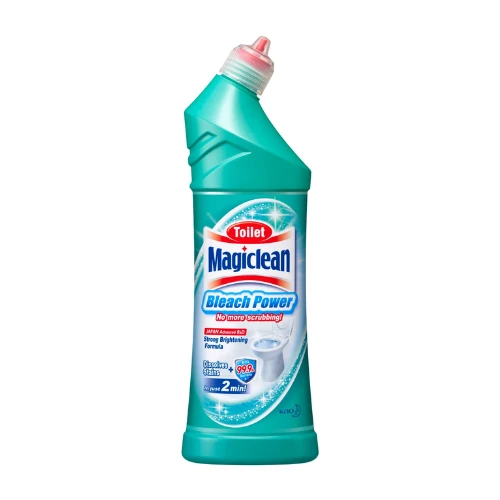
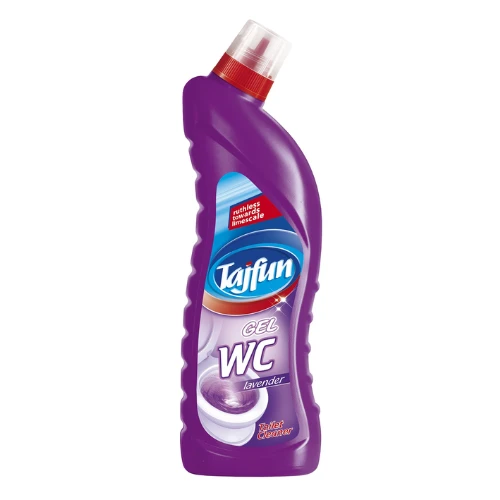
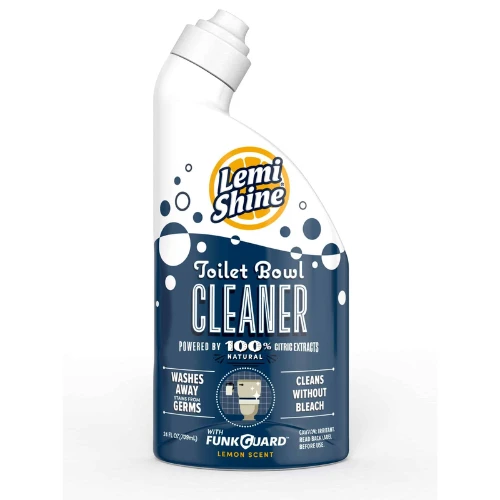
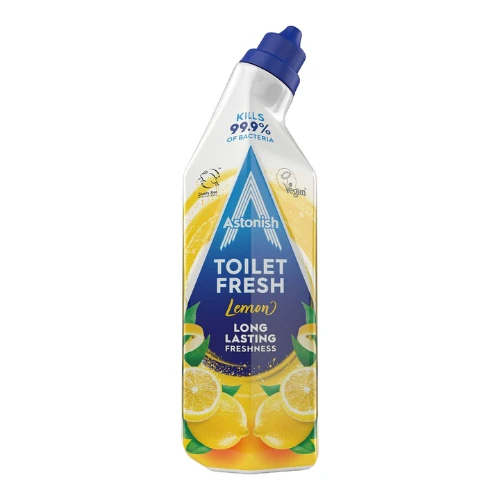
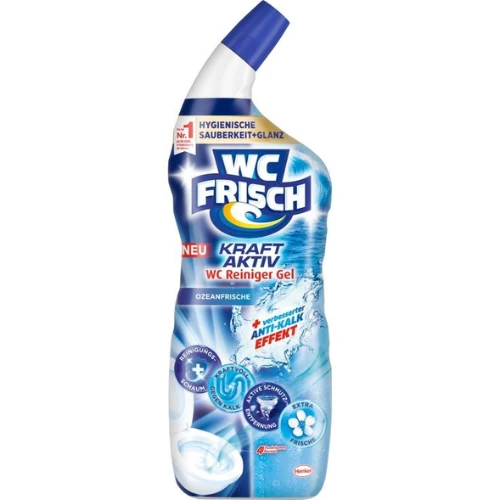
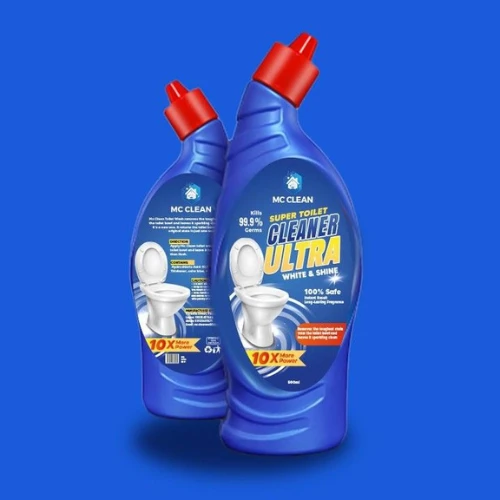
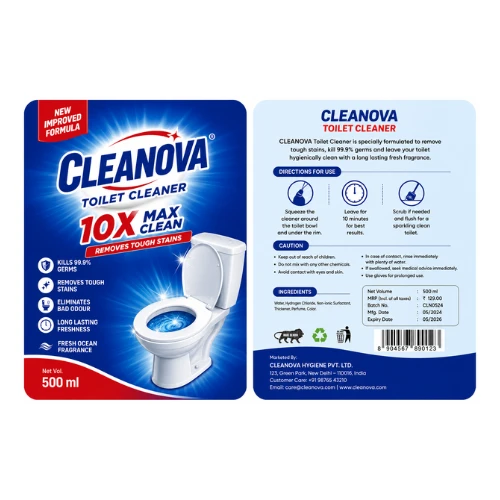
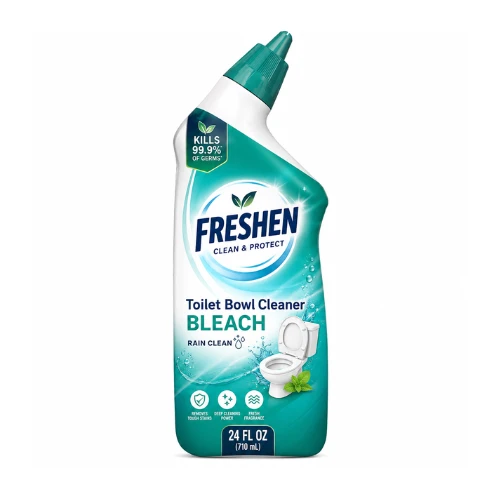
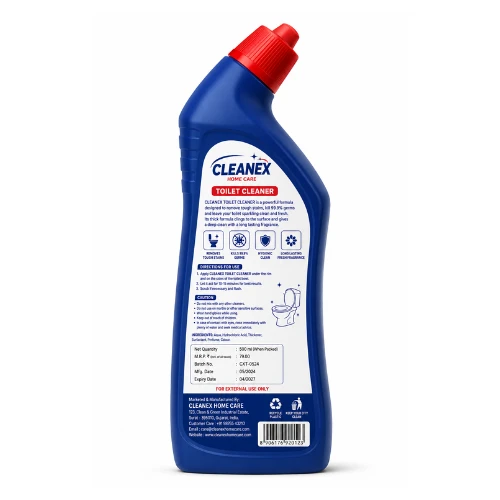
Colour coding works the best here. Blue often signals freshness, green suggests nature or eco-friendliness, while purple is now commonly associated with premium cleaning formulas.
Source: https://in.pinterest.com/
Source: https://in.pinterest.com/
Source: https://in.pinterest.com/
Source: https://in.pinterest.com
b) Lead With Benefits, Not Features
Most consumers don’t care about chemical formulations.
They care about results.
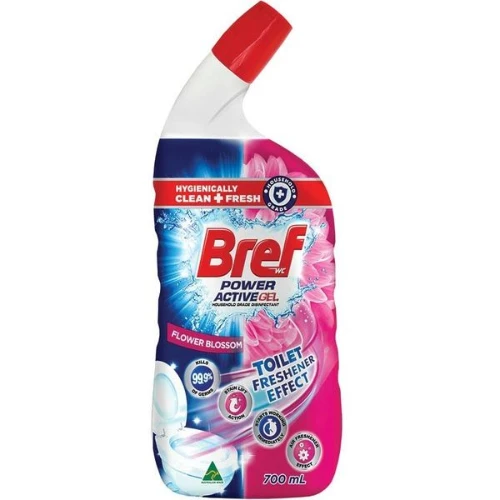
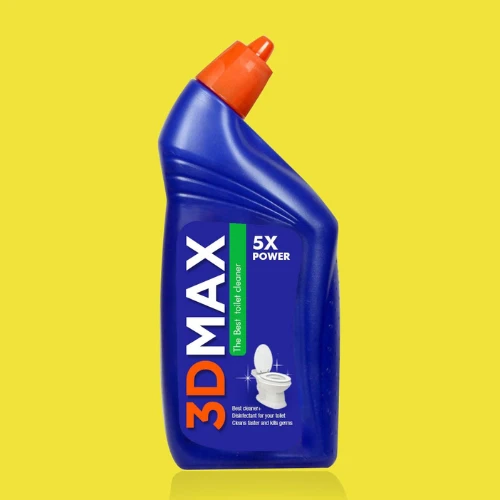
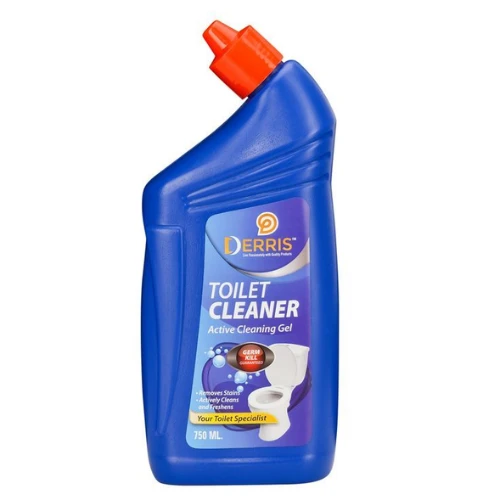
Instead of leading with technical jargon, highlight benefits such as:
1. Removes tough stains
2. Kills 99.9% germs
3. Long-lasting freshness
4. Thick liquid formula
5. Fights odour instantly
Clear benefit-driven messaging reduces decision-making effort for shoppers.
Source: https://in.pinterest.com/
Source: https://in.pinterest.com/
Source: https://in.pinterest.com/
Source: https://in.pinterest.com
c) Usage Instructions Should Be Crystal Clear
Many consumers buy cleaning products in a hurry.
Nobody wants to search for instructions hidden in tiny text.
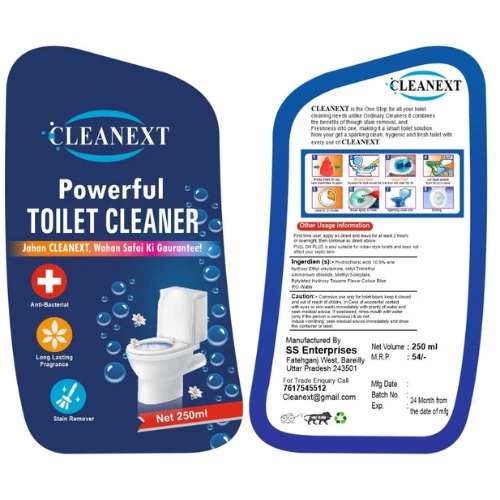
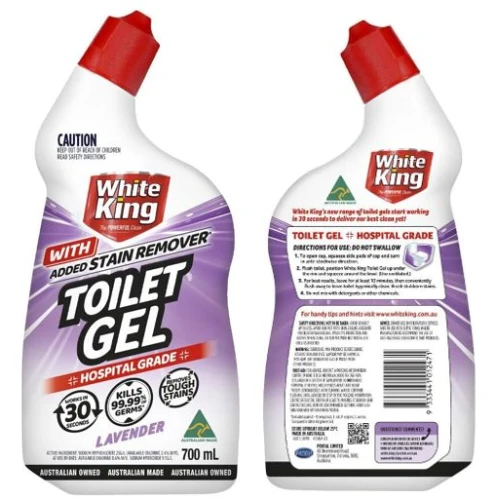
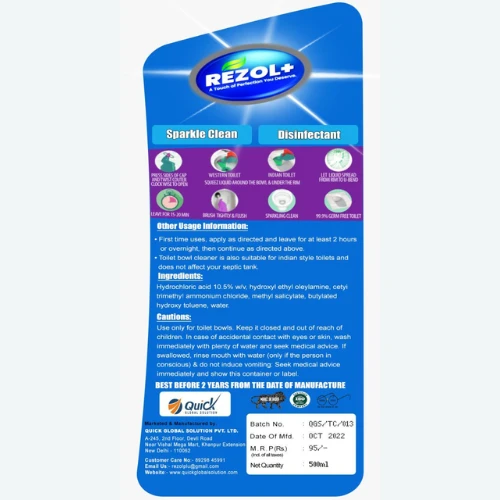
Simple visual instructions help users understand:
1. How much product to use
2. Application process
3. Waiting time
4. Rinsing instructions
The easier the product feels to use, the more likely consumers are to trust it.
Source: https://in.pinterest.com/
Source: https://in.pinterest.com/
Source: https://in.pinterest.com/
Source: https://in.pinterest.com
d) Never Hide Safety Information
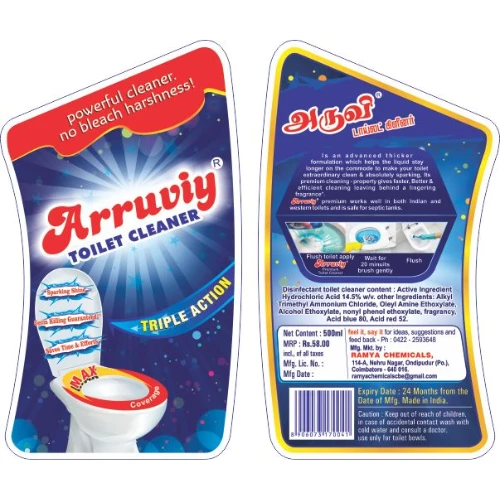
Toilet cleaners contain active ingredients that require careful handling.
Safety instructions should always be highly visible.
Include:
1. Keep away from children
2. Avoid contact with the eyes
3. Do not mix with other cleaning chemicals
4. Use gloves if required
Clear safety communication isn’t just compliance. It builds consumer confidence.
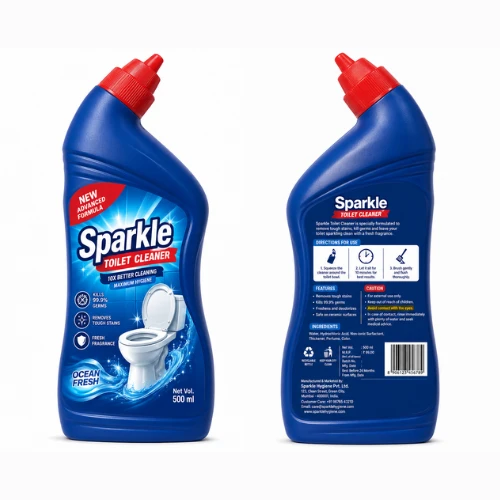
Source: https://in.pinterest.com/
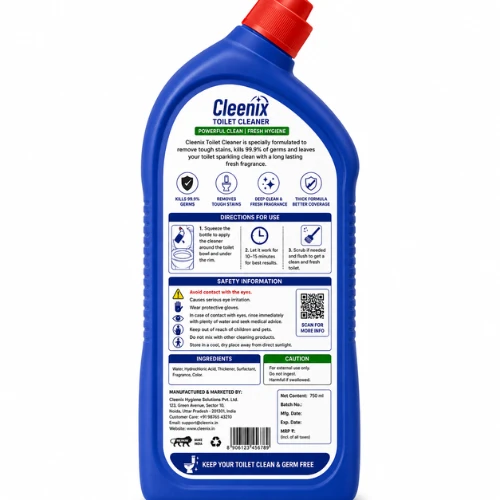
Source: https://in.pinterest.com/
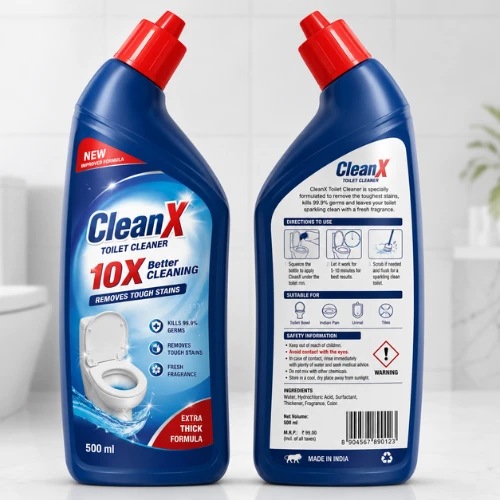
Source: https://in.pinterest.com/
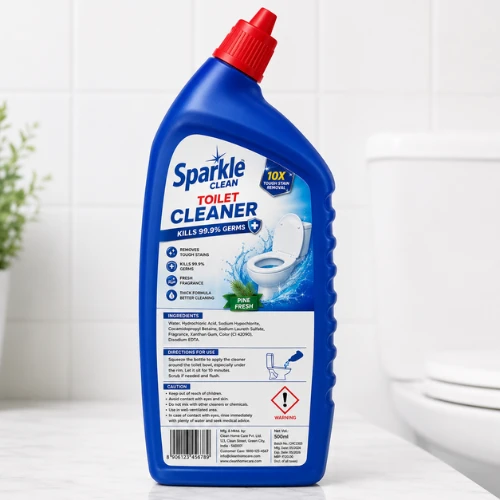
Source: https://in.pinterest.com
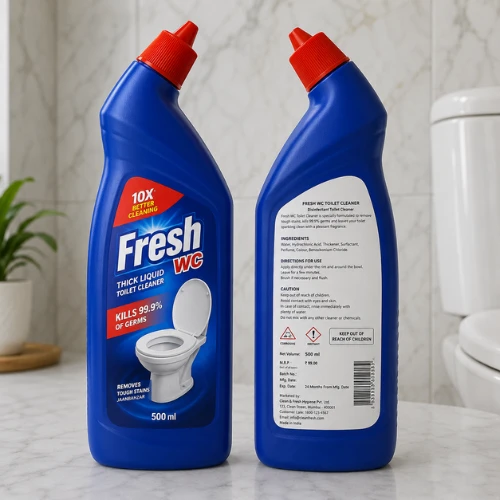
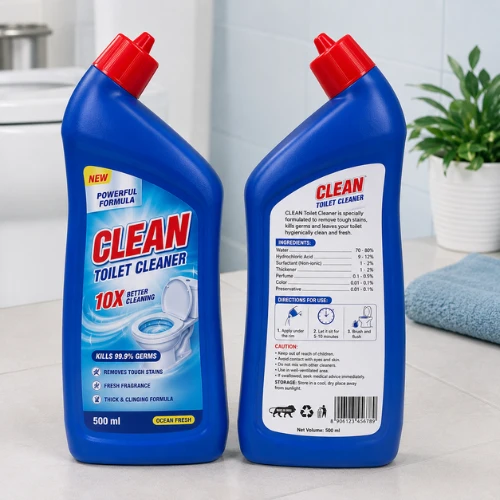
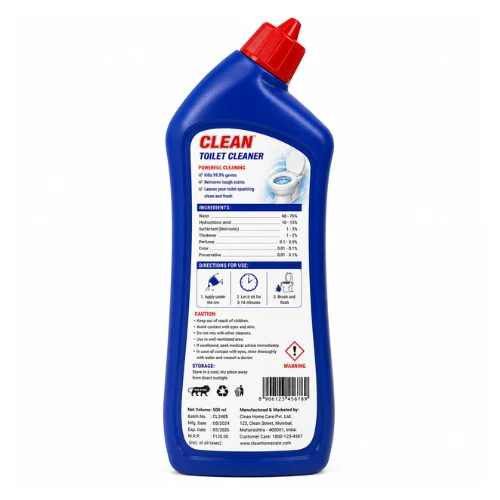
e) Ingredient Information Builds Transparency
Today’s consumers are more aware than ever about what goes into products.
While most buyers won’t study every ingredient, they appreciate transparency.
Labels that clearly disclose active ingredients often appear more trustworthy than labels that hide information.
Source: https://in.pinterest.com/
Source: https://in.pinterest.com/
Source: https://in.pinterest.com/
Source: https://in.pinterest.com
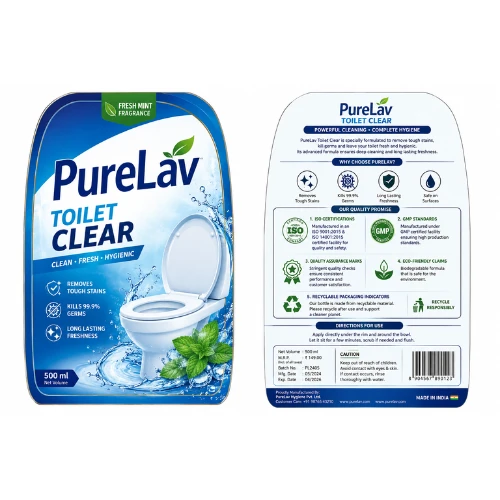
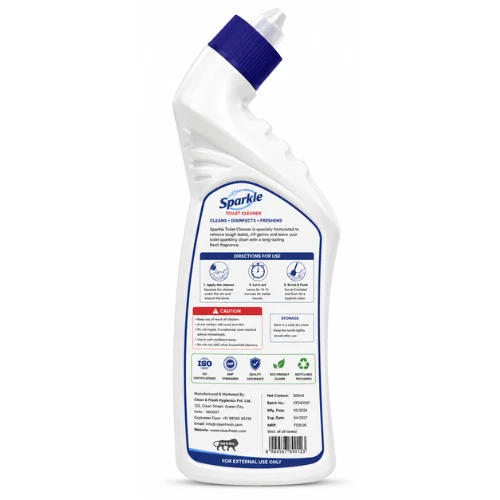
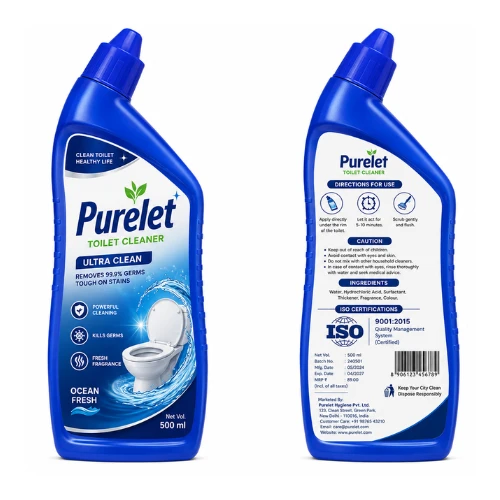
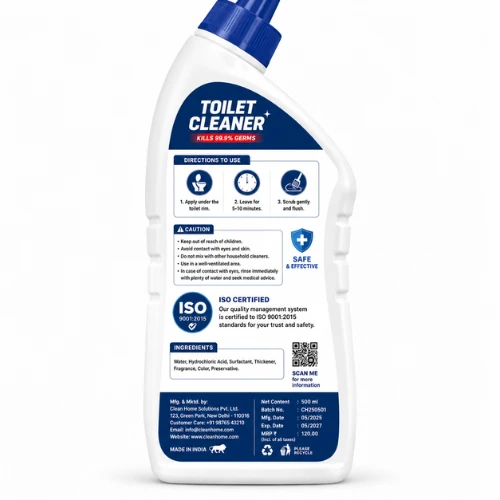
f) Certifications Help Reduce Doubt
Trust signals truly matter here.
Depending on your product positioning, certifications in your packaging may include the following:
1. ISO Certifications
2. GMP Standards
3. Quality Assurance Marks
4. Eco-Friendly Claims
5. Recyclable Packaging Indicators
These small symbols often work as silent proof points.
Source: https://in.pinterest.com/
Source: https://in.pinterest.com/
Source: https://in.pinterest.com/
Source: https://in.pinterest.com
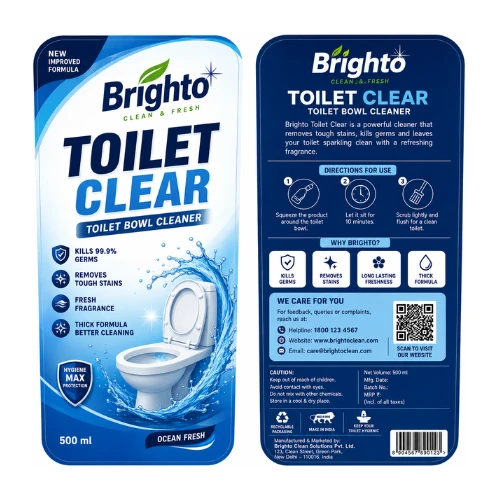
g) Make Contact Details Easy to Find
A professional brand never feels anonymous.
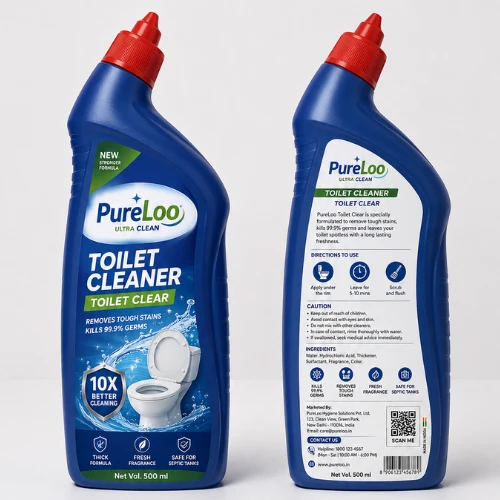
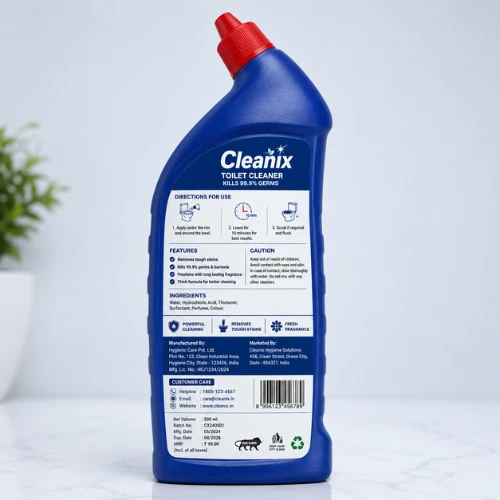
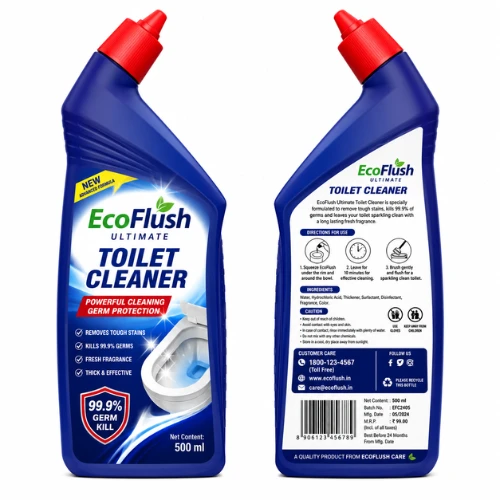
Displaying customer care information, website details, email IDs, and social media handles reassures consumers that the company stands behind its product.
Source: https://in.pinterest.com/
Source: https://in.pinterest.com/
Source: https://in.pinterest.com/
Source: https://in.pinterest.com
h) Manufacturing Information Adds Credibility
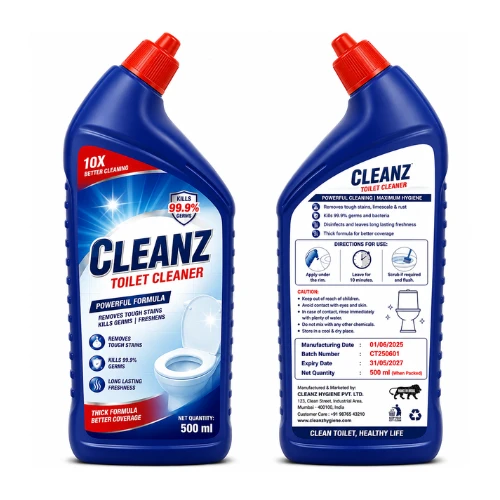
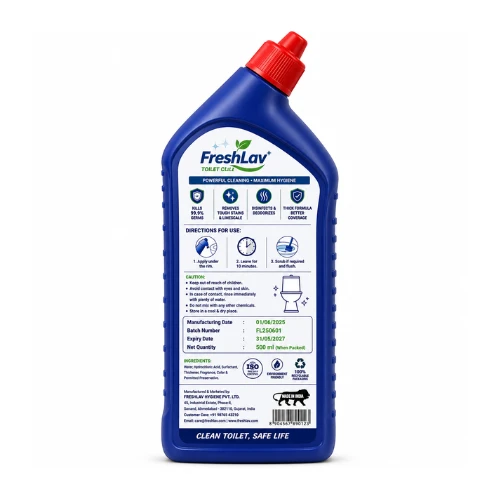
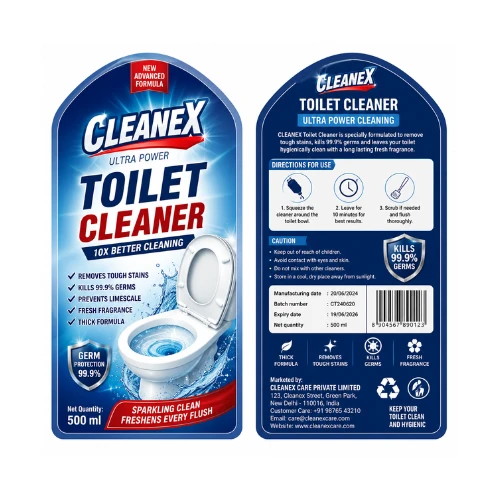
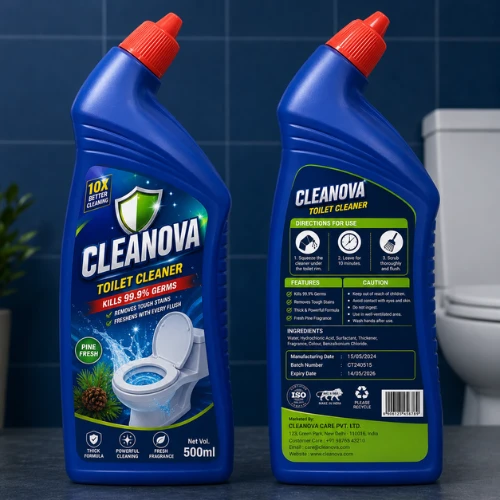
Consumers nowadays readily check the following in the packaging designs:
1. Manufacturing date
2. Batch number
3. Expiry date
4. Net quantity
Especially in household and cleaning categories, visible manufacturing information improves consumer confidence significantly.
Source: https://in.pinterest.com/
Source: https://in.pinterest.com/
Source: https://in.pinterest.com/
Source: https://in.pinterest.com
i) Don’t Forget Regulatory Essentials
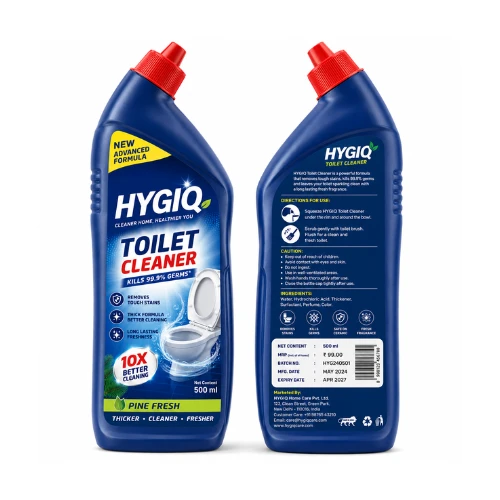
The best-looking label can still fail if it ignores the mandatory compliance requirements.
Your design should always accommodate:
1. Barcode
2. MRP
3. Manufacturer information
4. Batch details
5. Regulatory declarations
6. Safety warnings
Good label design balances creativity with compliance.
Source: https://in.pinterest.com/
Source: https://in.pinterest.com/
Source: https://in.pinterest.com/
Source: https://in.pinterest.com
How to Choose a Toilet Cleaner Label Design That Fits Your Brand Perfectly
Curating high-quality label designs requires a strategic, consumer-focused mindset. Here is a quick step-by-step process that will help you choose the right toilet cleaner label design, making your brand a staple in most Indian households.
1. Start by Understanding Who You Are Selling To
A premium urban household shopper behaves differently from a value-focused rural consumer.
Before designing anything, understand:
1. Age group
2. Income level
3. Purchase behavior
4. Preferred retail channels
5. Price sensitivity
Great design starts with understanding real buyers.
2. Decide What You Want Your Brand to Stand For
Are you selling:
1. Powerful stain removal?
2. Affordable daily cleaning?
3. Eco-friendly solutions?
4. Premium hygiene protection?
Your positioning should guide every design decision.
3. Study Competitors Before Creating Something New
Look at leading toilet cleaner brands.
Identify:
1. Common colors
2. Popular claims
3. Typography styles
4. Visual patterns
Then find opportunities to stand out without confusing consumers.
4. Build a Strategic Colour System
Colour is often noticed before words.
Blue communicates cleanliness. Green suggests freshness. White signals hygiene. Red can indicate strength and effectiveness.
Thus, choose your packaging colours strategically instead of simply picking what looks attractive.
5. Create a Strong Product Identity
Your label should have a unique personality.
Consumers should remember your bottle even after leaving the store.
Strong identities often combine:
1. Distinct typography
2. Unique color palette
3. Consistent visual language
4. Memorable brand assets
These aspects ensure that your brand has a strong identity and is easily recognisable amidst several other brands in the aisle.
6. Test Shelf Visibility Before Launch
Never approve artwork solely on a computer screen.
Print mockups. Place them next to competitors. View them from different distances.
What looks great on your monitor may completely disappear on a crowded shelf. Testing before the launch prevents any potential issues in the future.
Should You Design Your Toilet Cleaner Label Yourself or Hire Professionals?
Technically, anyone can create a label using design software today.
The real question is whether that label will actually sell.
DIY designs often focus heavily on aesthetics while overlooking consumer psychology, compliance requirements, printing specifications, and shelf visibility.
Professional packaging designers understand how shoppers behave in real retail environments. They know where eyes move first, how colours influence perception, and how to balance information without overwhelming the consumer.
For a category as competitive as toilet cleaners, label design is not just an artwork exercise. It is a business decision.
A professionally designed label by expert designers like DesignerPeople can actually help your product earn attention before consumers ever experience the formula inside.
FAQs
What should a toilet cleaner label include?
A good label should clearly show the brand name, product benefits, usage instructions, safety information, manufacturing details, and barcode.
Why is label design important for toilet cleaner products?
Shoppers often notice the label before they notice the product. A strong design helps build trust and attract attention quickly.
Which colours work best for toilet cleaner labels?
Blue, green, white, and purple are popular choices because they are commonly associated with cleanliness, freshness, and hygiene.
How can a toilet cleaner label stand out on shelves?
Use bold branding elements, clear benefit claims, strong colours, and a design that remains easy to spot from a distance.
What is the most important part of a toilet cleaner label?
The brand name and key cleaning benefit. Customers should understand both within a few seconds.
Do toilet cleaner labels need safety warnings?
Yes. Safety instructions help consumers use the product correctly and are often required by regulations.
Should ingredient information be included on the label?
Yes. It adds transparency and helps consumers feel more confident about the product.
What type of font works best for toilet cleaner packaging?
Simple, bold, and easy-to-read fonts usually work best, especially on crowded retail shelves.
What is the DesignerPeople 3-Second Shelf Test?
It is a simple rule: shoppers should be able to understand what the product is, what it does, and why they should trust it within three seconds.
Conclusion
A toilet cleaner may spend months sitting on retail shelves competing against dozens of alternatives. During that time, the label becomes your most consistent salesperson.
The brands that win aren’t always the ones with the biggest advertising budgets. They are often the ones who communicate faster, clearer, and more confidently through their packaging.
From strong branding and benefit-focused messaging to compliance, safety, and shelf visibility, every design element plays a role in shaping consumer perception.
If you are currently planning to launch a new toilet cleaner brand or refresh an existing one, investing in strategic label design can make a measurable difference.
At DesignerPeople, we have helped so many FMCG, home care, and household brands create packaging that not only looks attractive but also performs well on the shelf. So whether you are targeting local markets or national retail chains, our team can surely help design labels that earn attention, build trust, and drive sales at the very first glance.
Author: Megha Malik

As a passionate entrepreneur and creative brand consultant with experience of 18 years in digital, branding and packaging industry, it is my honest effort to put my experiences and knowledge of industry towards readers. A chartered accountant by degree but a marketing personality in blood has motivated her to take in designing industry as a career. With her fun-loving personality and sharp branding skills, she is a great motivational speaker on her YouTube channel, an active member in various business channels offline as well as online. Do connect me personally via my LinkedIn and I love to share my expertise with you.