
Fashion Websites Aren’t Just Online Stores Anymore. They are now digital flagships.
Think about the last time you landed on a fashion website. Chances are, you already made up your mind about that brand within a few seconds.
You probably didn’t read the About Us page. You didn’t study the product descriptions. Instead, you noticed the visuals, the layout, the photography, the speed, and the overall feeling the website gave you.
That’s exactly how modern fashion shoppers behave.
According to Deloitte’s luxury consumer research, nearly 43% of luxury purchases now begin with online research, even when the final purchase happens in a physical store. Meanwhile, the Luxury Fashion Market is now expected to reach USD 454.10 billion by 2035, making digital brand experiences more important than ever.
Today, a fashion website is no longer just a sales channel. It is your flagship store, lookbook, stylist, salesperson, and brand ambassador all rolled into one. And DesignerPeople is here to transform this very experience for all shoppers with the best website design and branding services.
So whether you are building a luxury fashion house, a boutique clothing label, a streetwear brand, or a fast-growing Shopify fashion store, great website design can be the difference between a visitor who bounces and a customer who buys. Let’s learn more about it.
Table of Contents
The Brutal Truth: Fashion Shoppers Judge Your Brand Faster Than You Think
In the fashion industry, decisions are made spontaneously!
Google research consistently shows that users form first impressions of websites within seconds. And for luxury fashion brands, those few moments truly determine whether someone sees your products as premium, trustworthy, trendy, affordable, exclusive, or forgettable.
The DesignerPeople 5-Second Fashion Test for you:
At DesignerPeople, we often evaluate fashion websites using a simple framework:
Within five seconds, a visitor should be able to answer:
1. What kind of fashion brand is this?
2. Who is it designed for?
3. Is it premium, affordable, trendy, or luxury?
4. Can I find products easily?
5. Do I trust this website enough to continue browsing?
If customers can’t really answer those questions quickly, conversion rates usually suffer.
Luxury brands like Chanel, Dior, and Gucci spend enormous resources creating websites that communicate identity immediately.
Because clarity sells.
Confusion doesn’t.
Fashion Website Styles That Are Dominating the Digital Runway
Fashion brands don’t all speak the same visual language.
A luxury fashion website should feel completely different from a streetwear brand, just as a bridal couture website shouldn’t look like a fast-fashion marketplace.
Let’s explore the styles dominating fashion eCommerce today.
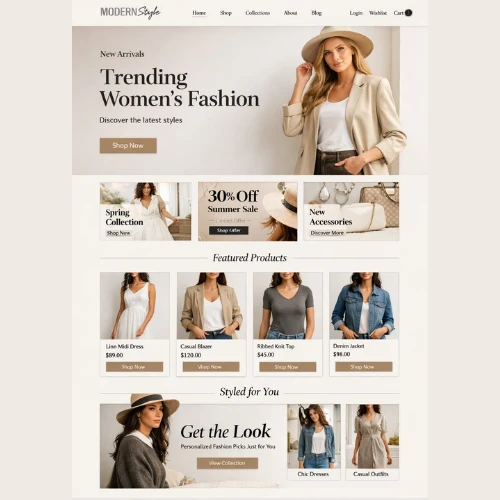
a) Luxury Fashion Websites That Feel Like Walking Into a Private Boutique
Luxury fashion websites aren’t designed to scream for attention.
They whisper confidence.
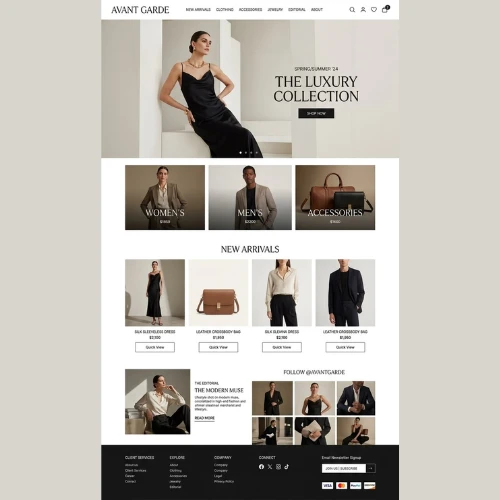
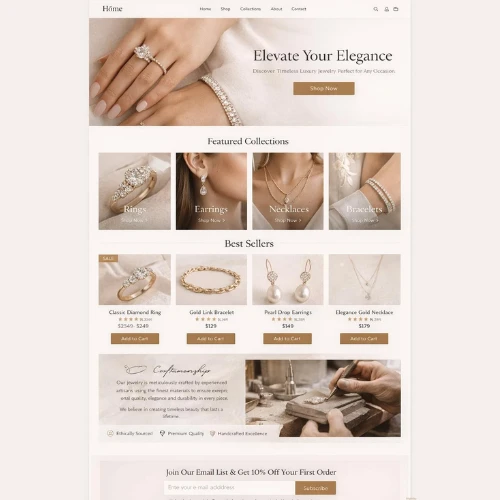
Brands like Prada and Bottega Veneta use generous white space, elegant typography, cinematic photography, and restrained navigation to create a sense of exclusivity.
The experience feels less like shopping and more like browsing an art gallery.
In luxury fashion, design isn’t decoration.
Design is proof of value.
Source: https://in.pinterest.com/
Source: https://in.pinterest.com/
Source: https://in.pinterest.com/
Source: https://in.pinterest.com
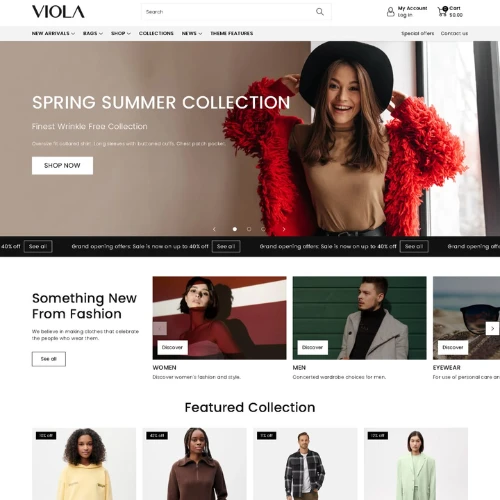
b) Streetwear Websites Built Around Culture, Hype, and Community
Streetwear websites play by completely different rules.
The goal isn’t elegance.
The goal is energy.
Streetwear customers often want to feel part of a movement rather than simply purchasing clothing.
That’s why successful streetwear websites frequently feature:
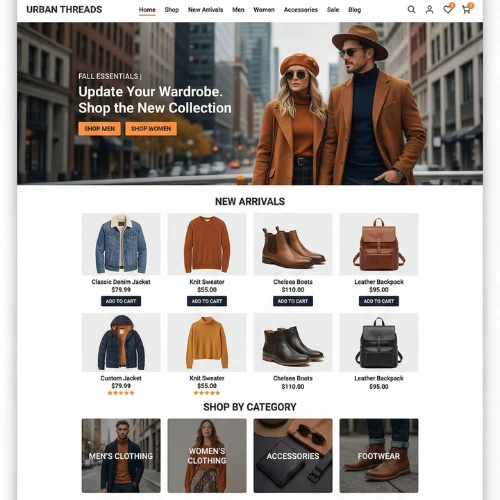
1. Bold typography
2. Editorial-style visuals
3. Limited-drop announcements
4. Community-generated content
5. Creator collaborations
6. Social-first storytelling
The website becomes part magazine, part community hub, and part online store.
Source: https://in.pinterest.com/
Source: https://in.pinterest.com/
Source: https://in.pinterest.com/
Source: https://in.pinterest.com
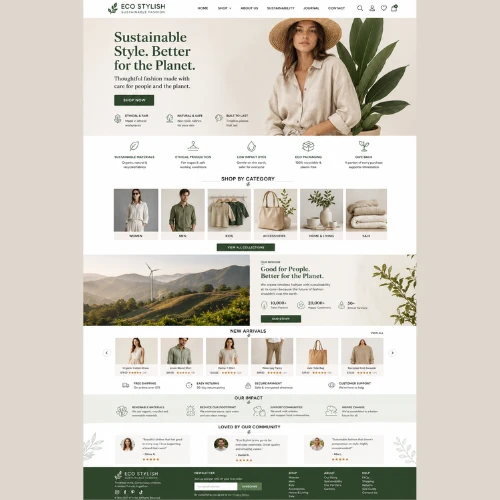
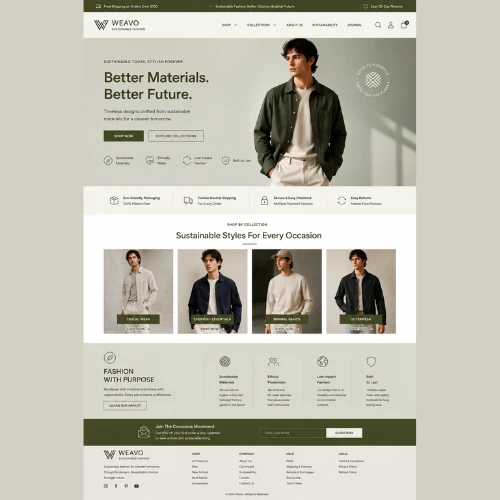
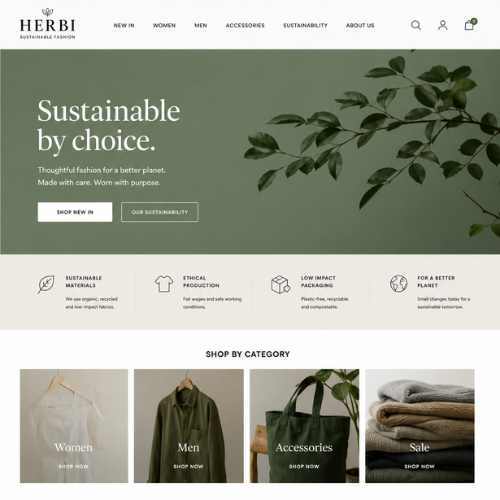
c) Sustainable Fashion Websites Built on Trust and Transparency
Modern sustainability-conscious shoppers ask deeper questions.
1. Where was this made?
2. Who made it?
3. What materials were used?
4. Can I trust these claims?
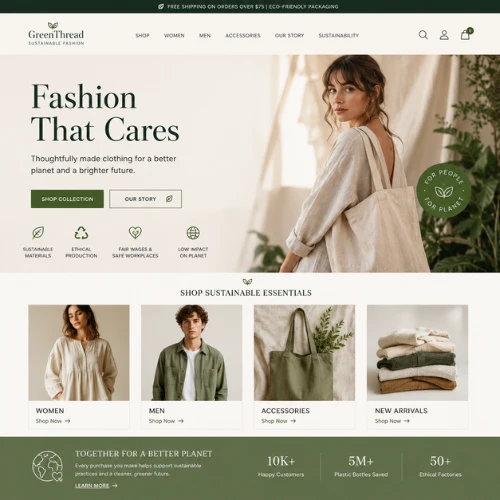
That’s why sustainable fashion websites prioritise transparency over flashy design.
Clear sourcing information, sustainability certifications, impact reports, material breakdowns, and supply-chain storytelling have become key design elements.
The best sustainable fashion websites don’t just sell products.
They sell accountability.
Source: https://in.pinterest.com/
Source: https://in.pinterest.com/
Source: https://in.pinterest.com/
Source: https://in.pinterest.com
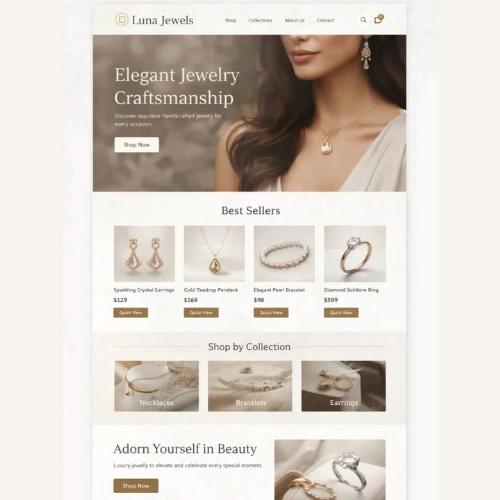
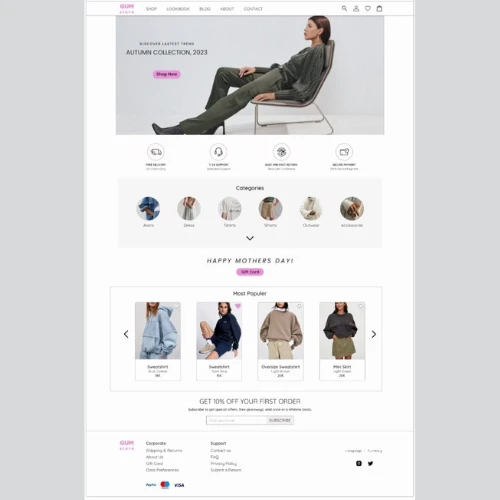
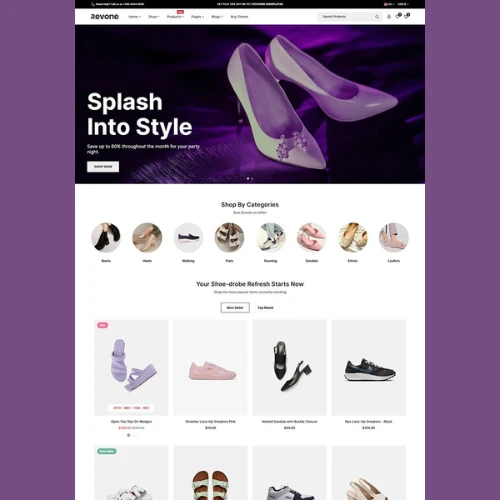
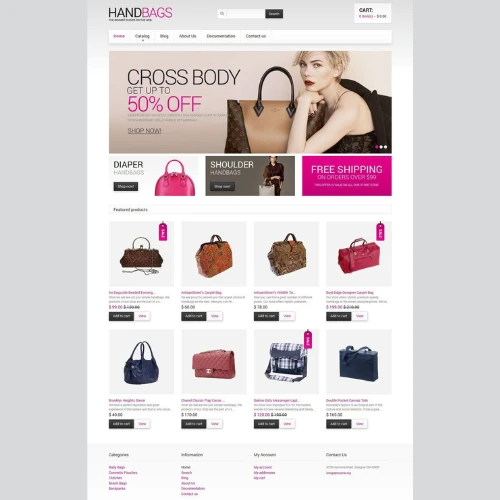
d) Women’s Fashion Websites Designed for Endless Inspiration
Women’s fashion shoppers often browse differently from how they buy.
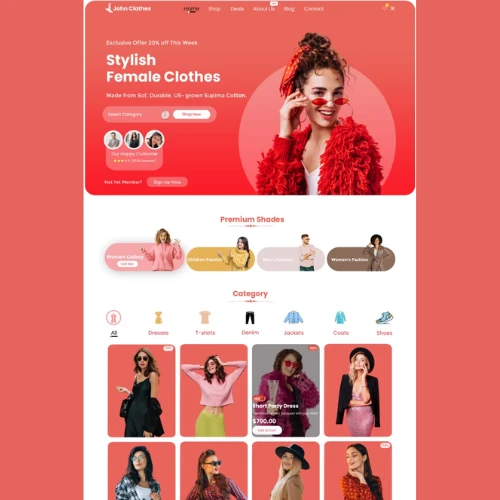
That’s why successful women’s fashion websites focus heavily on inspiration through:
1. Styled collections
2. Seasonal lookbooks
3. Complete outfit suggestions
4. Trend-focused landing pages
5. Curated shopping journeys
The goal isn’t just to help customers find one product.
It is more about helping them imagine multiple possibilities.
Source: https://in.pinterest.com/
Source: https://in.pinterest.com/
Source: https://in.pinterest.com/
Source: https://in.pinterest.com
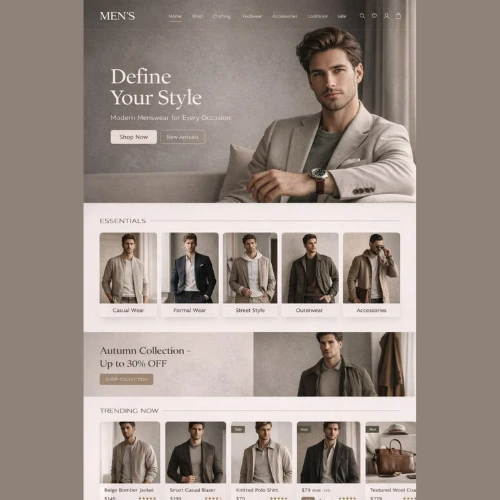
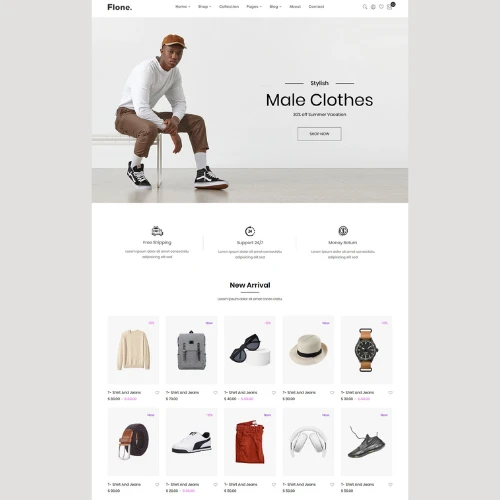
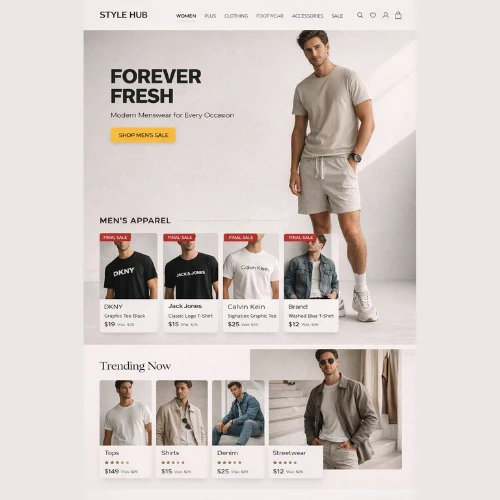
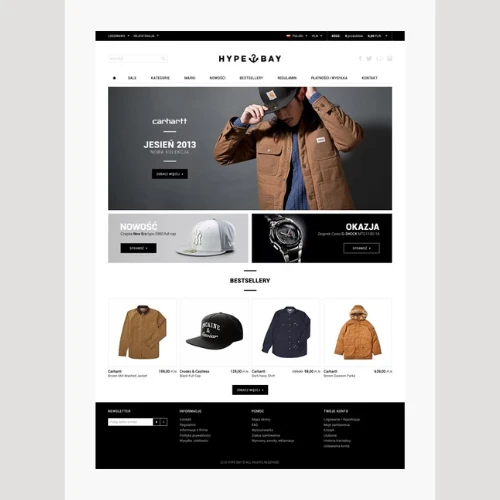
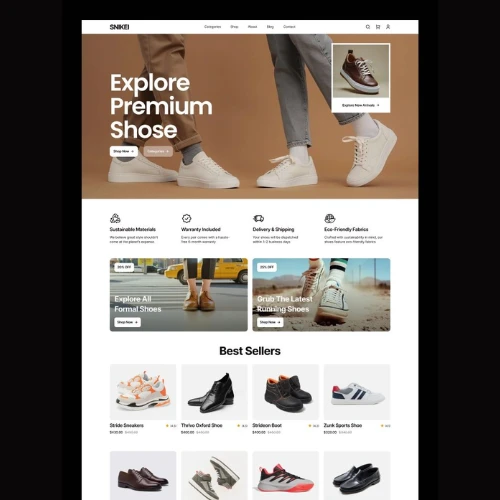
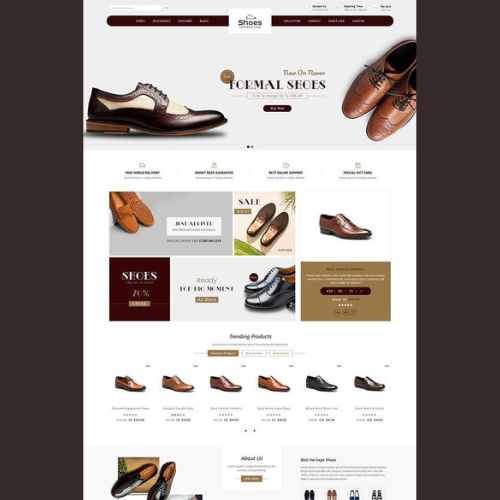
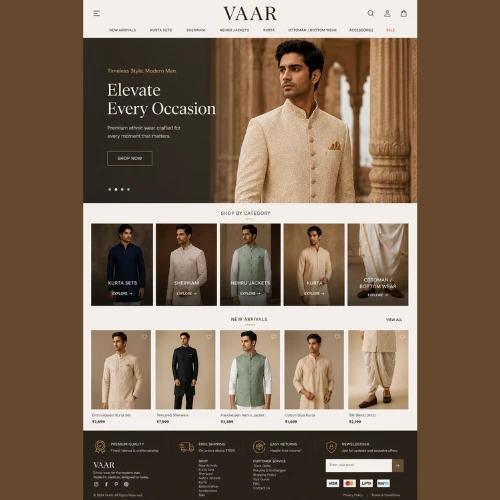
e) Men’s Fashion Websites Built Around Simplicity and Confidence
Men’s fashion eCommerce continues to grow rapidly, with Euromonitor projecting approximately 6.1% CAGR growth in the category.
Interestingly, research suggests male shoppers often prioritise efficiency over exploration.
Successful men’s fashion websites therefore emphasise:
1. Cleaner navigation
2. Faster product discovery
3. Straightforward categories
4. Simplified checkout journeys
Less friction. More action.
Source: https://in.pinterest.com/
Source: https://in.pinterest.com/
Source: https://in.pinterest.com/
Source: https://in.pinterest.com
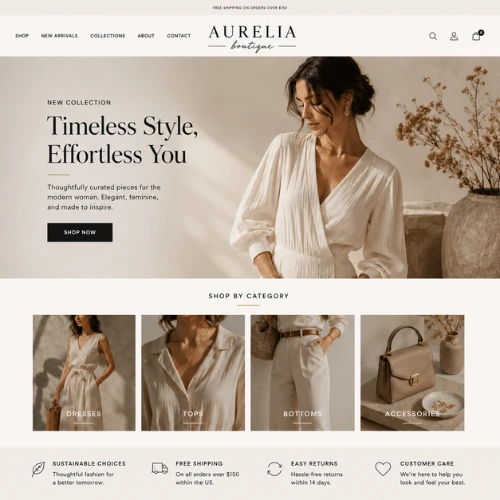
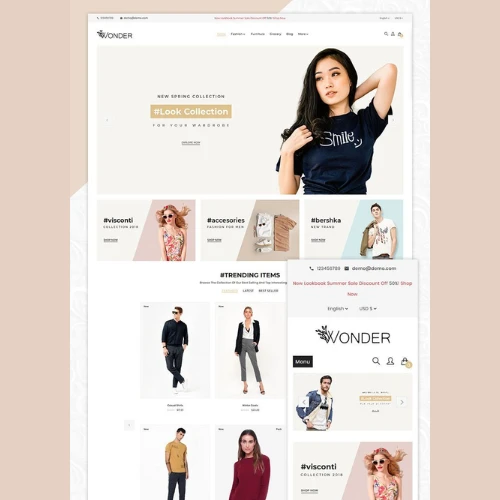
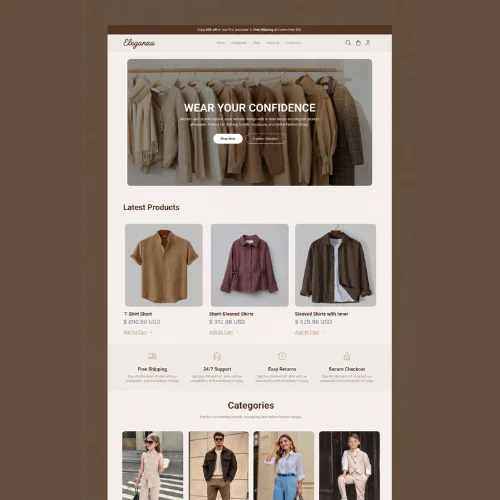
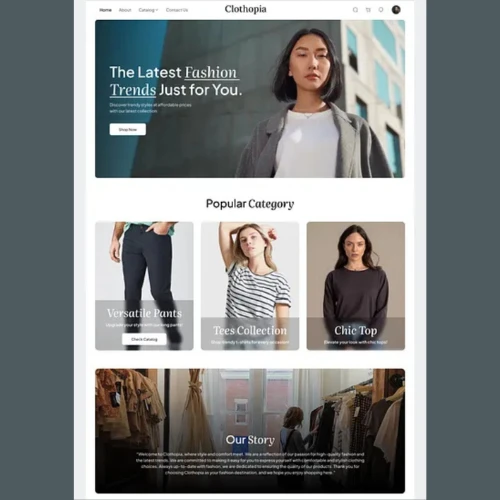
f) Boutique Fashion Websites That Feel Personal and Exclusive
Boutique brands have something giant retailers don’t.
Personality.
Customers aren’t looking for thousands of options.
They are looking for carefully curated collections.
The most successful boutique websites make visitors feel like they have actually discovered something special rather than entering another crowded marketplace.
Source: https://in.pinterest.com/
Source: https://in.pinterest.com/
Source: https://in.pinterest.com/
Source: https://in.pinterest.com
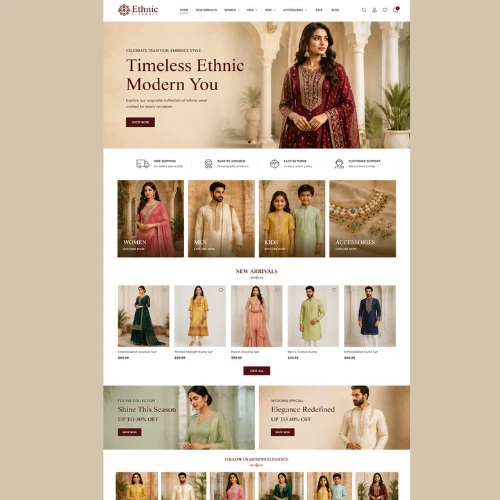
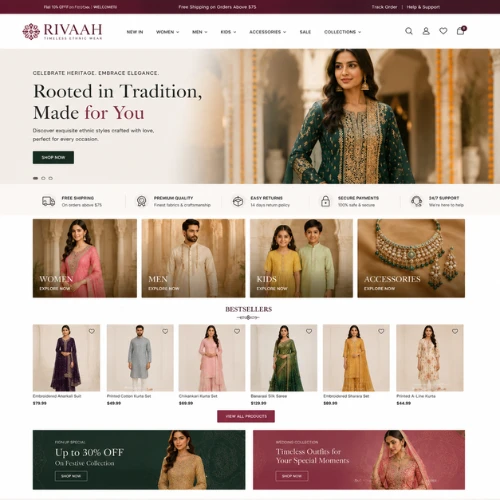
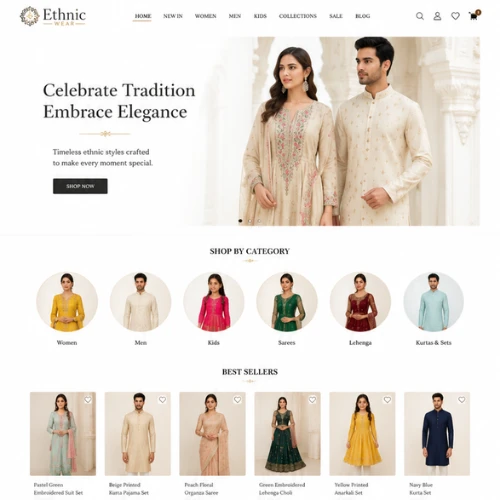
g) Ethnic Fashion Websites That Celebrate Heritage and Craftsmanship
Whether it’s your Indian handloom fashion, African textiles, Middle Eastern couture, or artisanal craftsmanship, heritage-driven fashion brands always succeed when storytelling becomes part of the entire shopping experience.
Customers increasingly want to know the story behind what they’re wearing.
Design can help tell that story beautifully.
Source: https://in.pinterest.com/
Source: https://in.pinterest.com/
Source: https://in.pinterest.com/
Source: https://in.pinterest.com
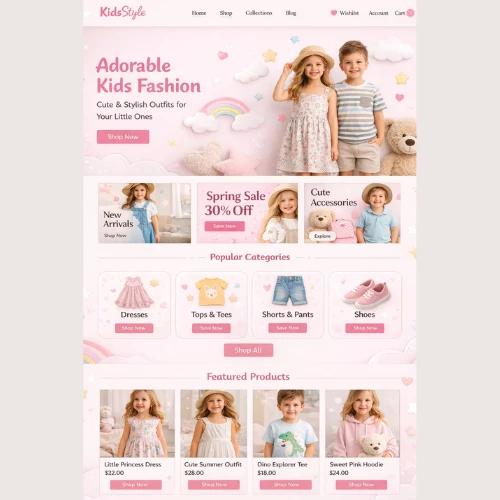
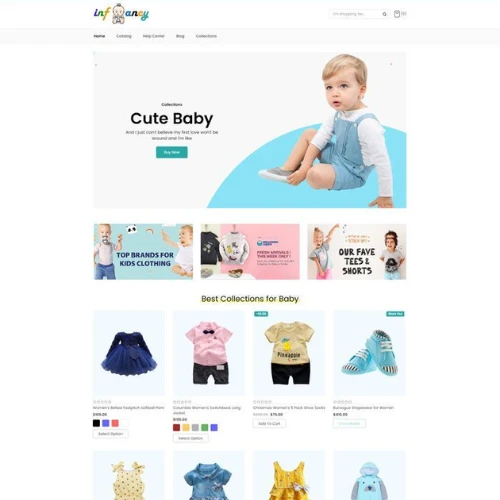
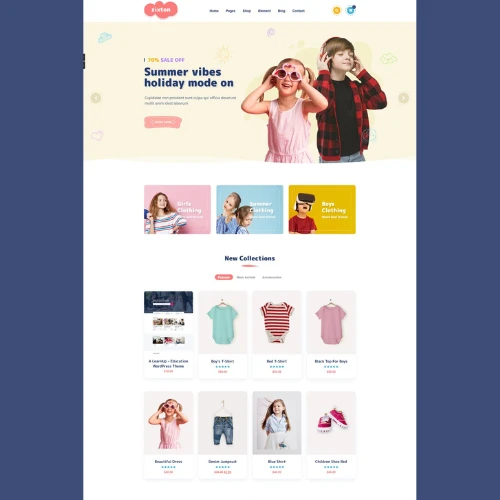
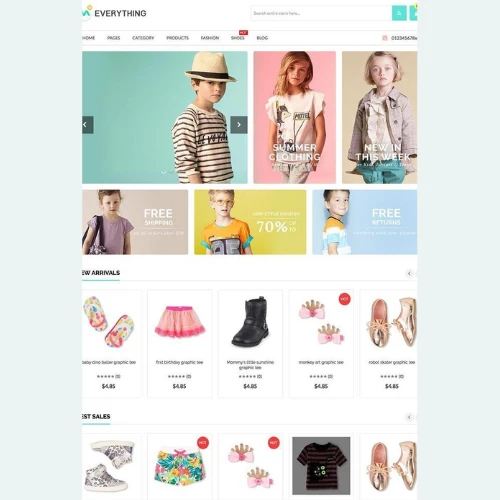
h) Kidswear Websites That Make Shopping Easier for Busy Parents
Parents don’t have time to struggle through confusing interfaces.
Kidswear websites succeed when they simplify the complex fashion decisions.
Age filters, size guides, outfit bundles, seasonal recommendations, and quick purchasing journeys become incredibly important.
People prefer convenience over anything here.
Source: https://in.pinterest.com/
Source: https://in.pinterest.com/
Source: https://in.pinterest.com/
Source: https://in.pinterest.com
Fashion Website Design Features Customers Secretly Expect Today
Fashion shoppers have become surprisingly demanding, and honestly, who can blame them? Every day, they are browsing websites from global giants, luxury fashion houses, and fast-growing D2C brands. That means expectations are higher than ever.
Here are some website features that modern fashion consumers increasingly expect, even if they don’t actively ask for them.
1. AI-Powered Product Discovery That Feels Like a Personal Stylist
Nobody enjoys scrolling through hundreds of products hoping to find the perfect outfit.
Modern fashion websites are starting to use AI-powered recommendations that feel more like shopping with a stylist than browsing a catalogue. Instead of showing random products, the website learns from browsing behaviour, previous purchases, preferred colours, sizes, and style preferences.
Some brands are even introducing “Build My Look” experiences where customers answer a few quick questions and receive curated outfit suggestions instantly.
This not only improves the overall user experience but also increases average order value because shoppers discover complementary products naturally.
2. Virtual Fitting Rooms That Reduce Shopping Doubts
One of the biggest reasons customers hesitate to buy fashion online is simple. They can’t try anything on.
Virtual fitting technology is helping bridge that gap. Customers can now upload photos, enter body measurements, or use AI-powered sizing tools to understand how products may fit before ordering.
Even if a brand isn’t ready for advanced virtual try-on technology, offering detailed fit guides, model measurements, fit comparisons, and size recommendations can dramatically improve customer confidence.
The less uncertainty customers feel, the more likely they are to click “Add to Cart.”
3. One-Click Checkout Because Nobody Likes Extra Steps
Fashion purchases are often emotional and spontaneous.
A customer sees something they love and wants to buy it immediately. Long forms, account creation requirements, and complicated checkout processes can quickly kill that excitement.
The best fashion websites make purchasing feel effortless through guest checkout options, saved payment methods, digital wallets, and one-click payment solutions.
Sometimes, improving checkout is more valuable than redesigning the entire website.
4. Personalised Style Suggestions That Increase Basket Size Naturally
Think about how helpful an experienced salesperson can be inside a fashion store.
Great eCommerce websites try to recreate that experience digitally.
When a customer views a blazer, the website can actually recommend matching trousers, shirts, shoes, or accessories. When someone shops for ethnic wear, they might also see some coordinated jewellery or footwear suggestions.
Done correctly, these recommendations feel helpful rather than pushy. Customers discover products they genuinely like while brands increase cross-selling opportunities.
5. Video-Based Product Displays That Bring Fashion to Life
Fashion is all about movement, texture, fit, and detail.
A photograph captures only part of the story.
Short videos showing how a dress flows, how a jacket fits while walking, or how fabric behaves under natural light can answer questions that static images simply cannot.
Many successful fashion brands now use quick catwalk-style videos directly on product pages because customers can visualise the product much more accurately.
6. User-Generated Content Galleries That Build Trust Faster
Customers trust customers.
That’s why some of the most successful fashion websites showcase real buyers wearing their products. Seeing how clothing looks on different body types, ages, and personal styles creates a level of authenticity that studio photography alone cannot achieve.
A simple “Shop the Look” gallery featuring some customer photos can become one of the most persuasive sections on a fashion website.
7. Influencer-Led Shopping Experiences That Feel Natural
Instead of simply tagging influencers on social media, brands are creating dedicated pages featuring influencer-curated collections, styling tips, and complete outfit recommendations.
This helps visitors move directly from inspiration to purchase without leaving the website.
8. Multi-Device Shopping Consistency That Removes Frustration
A shopper might discover your brand on Instagram during lunch, browse products later on a laptop, and finally complete the purchase on their phone before bed.
Your website experience should always feel smooth and consistent across mobile, tablet, desktop, and even smart devices. Saved carts, browsing history, wishlists, and account information should follow users wherever they shop.
9. Augmented Reality Shopping That Adds Confidence
Augmented reality is becoming increasingly useful for fashion brands, especially for accessories.
Customers can virtually try sunglasses, watches, handbags, jewellery, or footwear before making a purchase decision.
Even simple AR integrations can significantly reduce hesitation and make online shopping feel more interactive and enjoyable.
10. Voice Commerce Integration for Faster Product Discovery
Voice search may still be growing, but fashion brands should start paying attention.
Customers are becoming comfortable using voice assistants to search for products, check order status, or discover recommendations.
Fashion websites that optimise for conversational search behaviour today will be better prepared for future shopping habits.
11. Hyper-Personalised Storefronts That Feel Tailor-Made
Imagine two customers visiting the same fashion website and seeing completely different experiences.
One customer loves streetwear. Another prefers luxury fashion.
Instead of showing both visitors identical content, advanced personalisation can adjust product recommendations, homepage banners, collections, and promotions based on individual preferences.
12. Social Commerce Expansion That Connects Shopping and Discovery
Fashion inspiration often starts long before customers visit a website.
It happens on Instagram, Pinterest, TikTok, YouTube, and creator communities.
Smart fashion brands make it easy for customers to move seamlessly between social content and shopping. Features like shoppable reels, creator storefronts, social proof widgets, and user-generated galleries help connect inspiration with purchase intent.
13. Interactive Fashion Experiences That Keep Visitors Exploring
Interactive tools like style quizzes, capsule wardrobe builders, occasion-based outfit finders, seasonal trend guides, and colour-matching tools can make shopping far more engaging.
These experiences also help customers discover products they may not have found through traditional navigation.
14. Virtual Fashion Shows That Bring Runway Energy Online
Many fashion websites are now experimenting with digital lookbooks, livestream launches, interactive collection reveals, and virtual runway experiences that make product launches feel like events.
Customers don’t just browse the collection. They experience it.
And that’s often what separates memorable fashion brands from forgettable ones.
Frequently Asked Questions
A successful fashion website combines strong visuals, easy navigation, fast loading speed, and a smooth checkout process that helps shoppers buy without confusion.
What makes a fashion website successful?
A successful fashion website combines strong visuals, easy navigation, fast loading speed, and a smooth checkout process that helps shoppers buy without confusion.
Which platform is best for a fashion ecommerce website?
Shopify, WooCommerce, Adobe Commerce (Magento), and Salesforce Commerce Cloud are among the most popular platforms, depending on your business size and requirements.
Why is mobile-friendly design important for fashion brands?
Most fashion shoppers browse and shop on their phones. A mobile-friendly website helps improve user experience, engagement, and conversions.
How can fashion websites increase sales?
By improving product discovery, using high-quality visuals, simplifying checkout, offering personalised recommendations, and building trust through reviews.
Do fashion websites need professional product photography?
Yes. High-quality photography helps customers understand the product better and significantly influences purchasing decisions.
What is the biggest mistake fashion brands make online?
Focusing only on aesthetics while ignoring usability. A beautiful website should also be easy to navigate and shop from.
How often should a fashion website be updated?
Fashion websites should be refreshed regularly with new collections, campaigns, content, and user experience improvements to stay relevant.
What features do modern fashion shoppers expect?
Customers increasingly expect AI recommendations, fast checkout, product videos, virtual try-ons, customer reviews, and seamless mobile experiences.
Wrapping Up:
Fashion has always been emotional.
People don’t buy clothing because they need fabric. They buy confidence, self-expression, identity, aspiration, and belonging.
The best fashion websites understand this.
They combine beautiful design with effortless functionality, helping visitors move from inspiration to purchase without friction.
At DesignerPeople, we truly help fashion brands create eCommerce experiences that look stunning, perform flawlessly, and convert visitors into loyal customers. Whether you’re building on Shopify Plus, WooCommerce, Adobe Commerce (Magento), or Salesforce Commerce Cloud, our team creates fashion websites that balance creativity, usability, and business growth.
Connect with our expert designers today. Because in fashion eCommerce, great design doesn’t just attract attention. It turns all the browsers into buyers and buyers into lifelong fans.
Author: Anush Malik

Being a strategist’s head and a long term visionary personality aims to achieve excellence in branding, packaging and digital marketing field. My 22 years of design experience and masters degree is my strength which keeps me motivated and keep me going positively. I have participated in extensive branding design conquests in India, USA, Australia and New Zealand with winning zeal. My objective is to encourage start-ups and hence involves actively in the articles which will act as a productive intake of knowledge for them. Do connect me personally via my LinkedIn and I love to share my expertise with you.