
Your clothing brand’s personality doesn’t stop at just the clothes. You can see it in the way your collection is styled, the colours used in a campaign, the photographs chosen for your catalogue, and even the way products are displayed. And your website should carry that same personality.
For someone discovering your brand for the first time, your fashion website may be the closest thing to walking into your store.
This is the best way to show what you sell, understand your style, compare products, and hopefully find something they truly love. If this experience feels confusing or the clothes aren’t presented properly, even your greatest collections can go unnoticed.
Whether you are starting a fashion label or taking an established clothing business online, the right design can make a real difference. Let’s look at what makes a fashion website work and the 121+ excellent clothing website styles worth exploring!
Table of Contents
Why Your Clothing Website Needs to Do More Than Look Fashionable
Fashion brands have a particular challenge online: customers cannot touch the fabric, check the stitching, or try on an outfit before buying. Your website has to make up for that missing experience.
A good clothing website gives visitors a clear picture of what they are about to purchase. It shows how garments look when worn, explains how they fit, provides accurate measurements, and makes important details easy to find. The design also needs to reflect the kind of brand you are building.
A premium designer label and an affordable everyday clothing store should never feel interchangeable!
There’s another reason to pay attention to the shopping experience: customers can leave at almost any point. The average eCommerce cart abandonment rate right now is 70.19%.
That doesn’t really mean every abandoned cart is caused by poor design, but it does show how many purchases never make it to the finish line.
Common issues like complicated checkout processes, unexpected costs, and unclear delivery information can all contribute to unnecessary hesitation and quicker cart abandonments!
Your fashion website should answer questions about fabric, fit, size availability, styling, delivery, and returns without making shoppers dig through several pages.
In short, a clothing website should look like your brand, help potential customers understand your products, and make buying them straightforward and quicker!
Clothing Website Design Styles That Give Every Fashion Brand Its Own Look
Not every fashion website should look the same. The design needs to reflect the clothes, the audience, and the kind of experience the brand wants to offer.
Here are ten styles worth looking at when planning your website.
A. Minimalist Clothing Websites That Let the Clothes Speak
Some clothing brands don’t need much decoration to make an impression. Their collections do most of the talking.
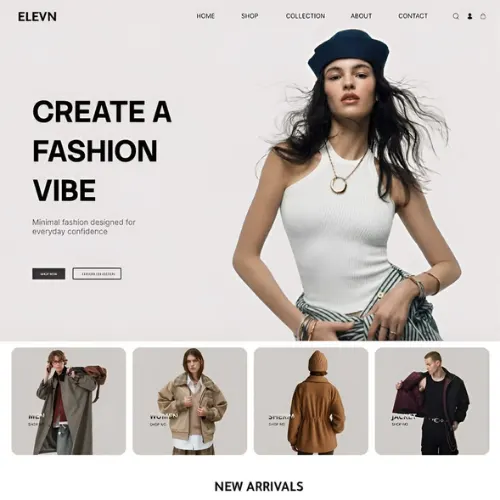
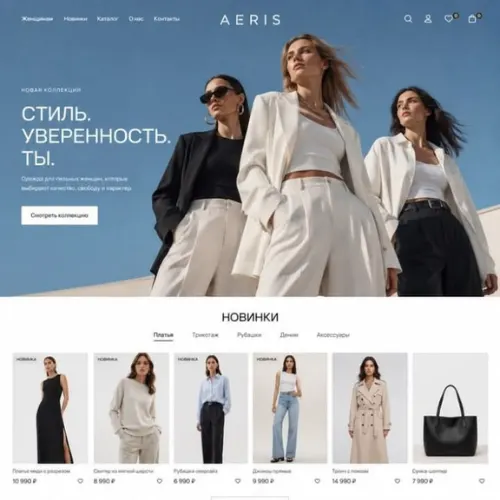
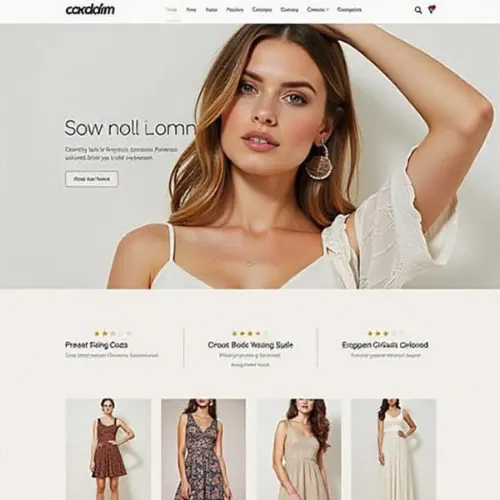
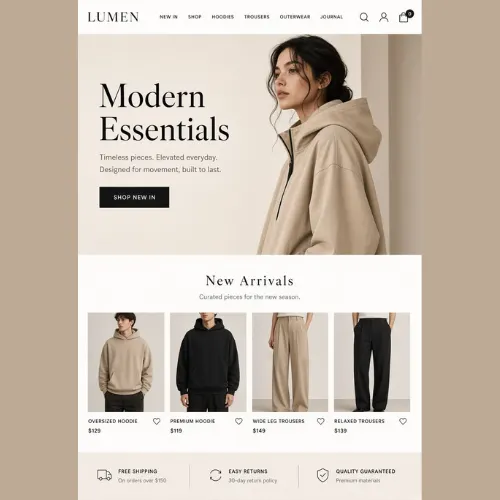
Minimalist websites usually rely on clean backgrounds, simple typography, plenty of breathing room, and uncluttered product displays. You’ll often see large photographs with very little text competing for attention.
This style works particularly well for contemporary fashion labels, wardrobe essentials, premium basics, and brands that prefer a quieter aesthetic. Remember. The trick is to keep the design simple without making the shopping experience entirely incomplete. All your product descriptions, prices, size information, and navigation should still be easy and quick to find!
Source: https://in.pinterest.com/
Source: https://in.pinterest.com/
Source: https://in.pinterest.com/
Source: https://in.pinterest.com
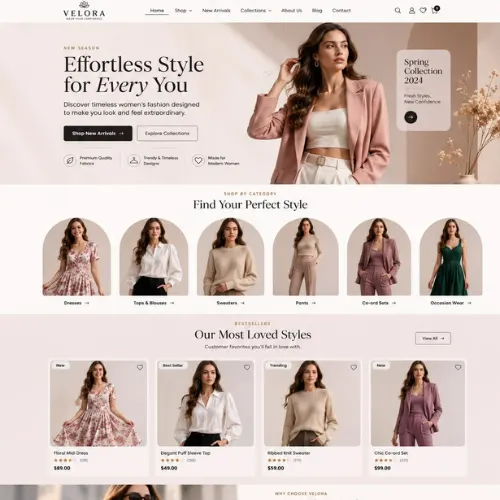
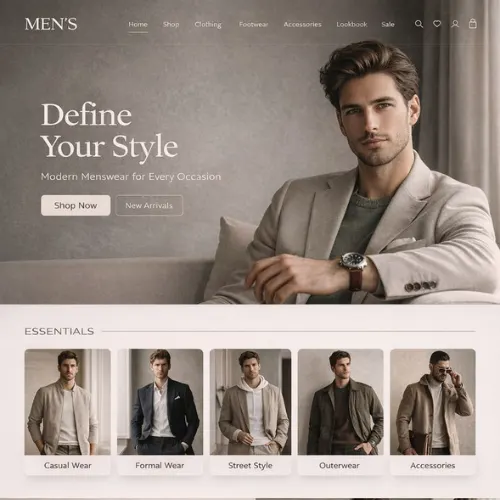
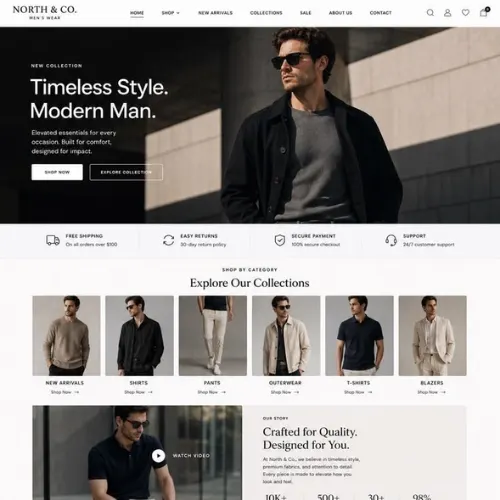
B. Luxury Fashion Websites That Feel Like a Fashion Magazine
A luxury clothing website should make the visitor feel something before they even start browsing the products.
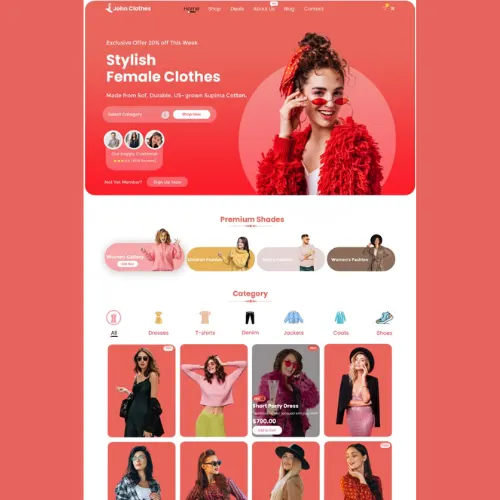
Think of large campaign photographs, beautifully styled models, elegant typography, and carefully presented collections. Some brands use videos to introduce a new collection, while others create editorial-style pages that tell the story behind their latest designs.
The photography matters enormously here. A premium garment can lose its appeal if it’s presented with poor lighting or careless styling. At the same time, don’t make the website so artistic that customers struggle to find the actual products. Luxury presentation and easy shopping can absolutely go together.
Source: https://in.pinterest.com/
Source: https://in.pinterest.com/
Source: https://in.pinterest.com/
Source: https://in.pinterest.com
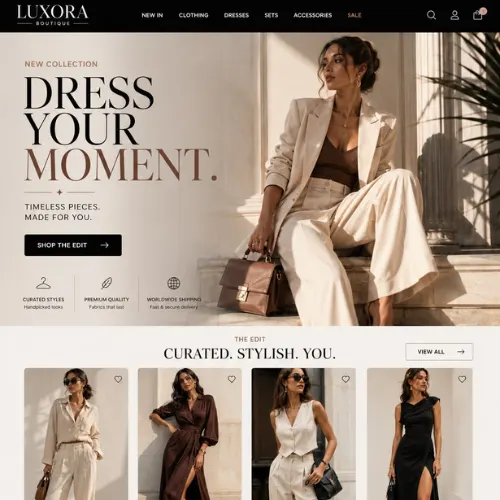
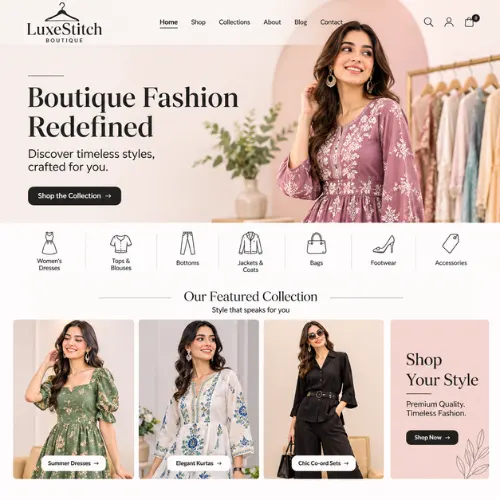
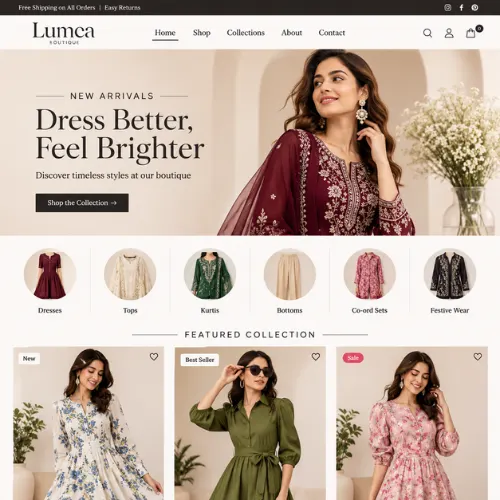
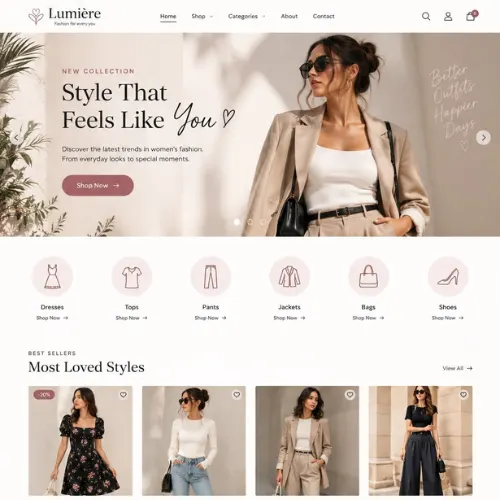
C. Boutique Clothing Websites With a Personal Touch
A boutique often has a very specific taste in fashion. It might focus on handcrafted clothing, independent designers, occasionwear, or carefully selected everyday pieces.
The website design should reflect that personality. Instead of looking like a huge department store, it can feel more like browsing a shop where someone has personally selected every item.
Founder stories, curated collections, styling recommendations, and seasonal edits can make the experience more engaging. Even small details, such as explaining why a particular collection was selected, can help customers connect with the store.
Source: https://in.pinterest.com/
Source: https://in.pinterest.com/
Source: https://in.pinterest.com/
Source: https://in.pinterest.com
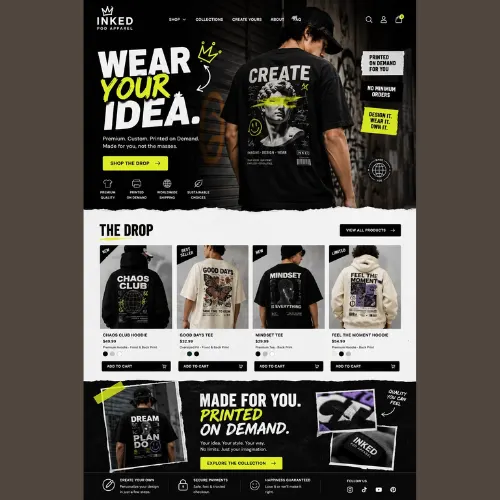
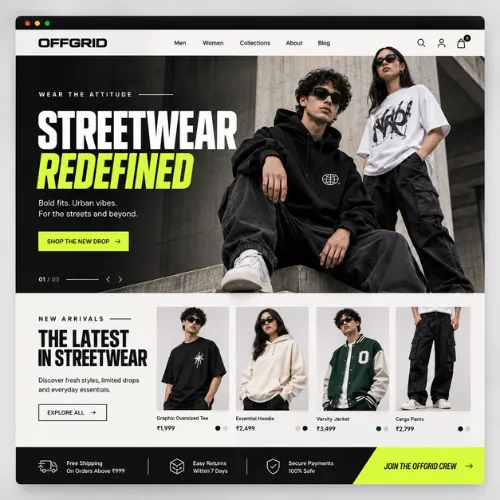
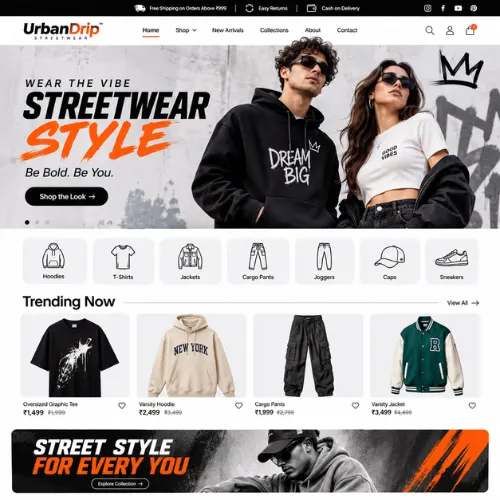
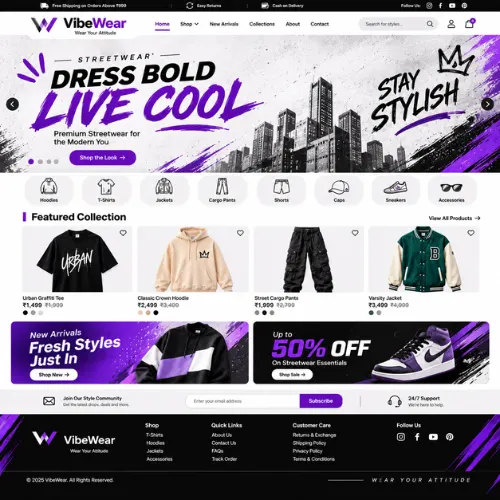
D. Streetwear Websites That Bring Urban Culture Online
Streetwear isn’t just about your usual oversized T-shirts and sneakers. It is now closely connected to music, art, skate culture, collaborations, and solid individual expression.
The websites of streetwear brands often reflect this through bold typography, striking graphics, unconventional layouts, and campaign photography. New drops and limited-edition collections may get prominent placement on the homepage.
If your brand releases products in limited quantities, make the launch dates and stock availability clear. Customers shouldn’t have to search through several pages to find out when a collection goes live. The website should carry the energy of the brand design without becoming difficult to navigate.
Source: https://in.pinterest.com/
Source: https://in.pinterest.com/
Source: https://in.pinterest.com/
Source: https://in.pinterest.com
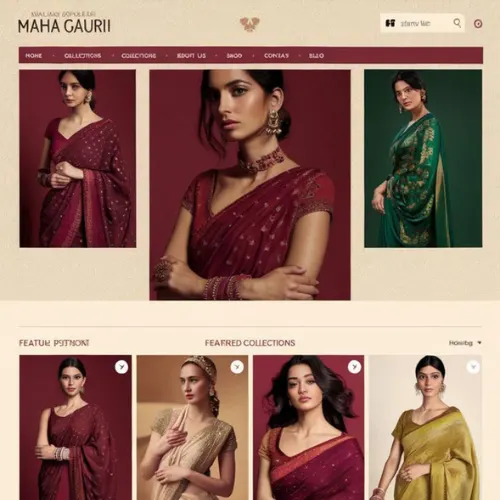
E. Ethnic Wear Websites That Celebrate Indian Fashion
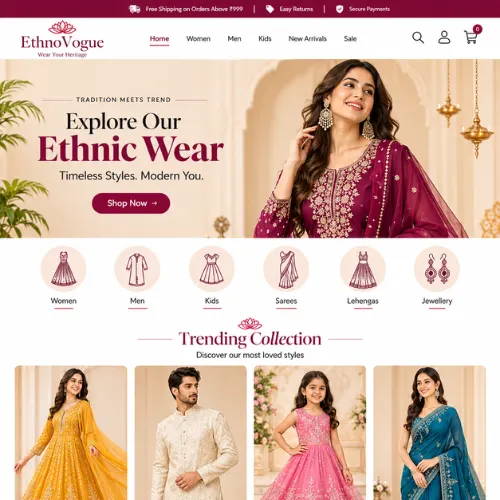
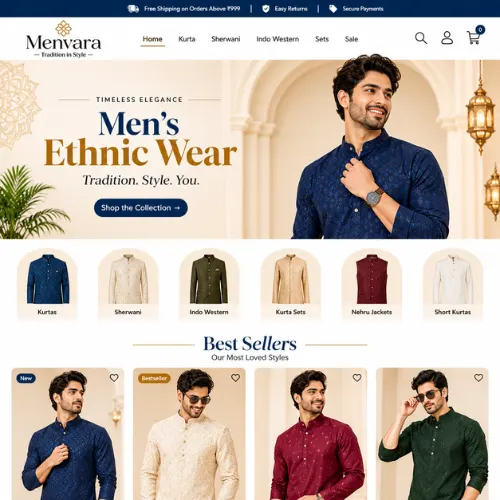
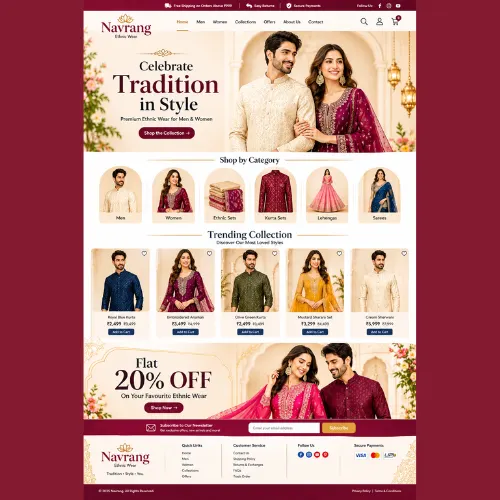
Selling ethnic wear online comes with its own little challenge. A customer can’t pick up a saree to check its texture or look closely at the zari work. Your website has to show these details through photographs and product descriptions.
For sarees, lehengas, kurtas, and festive outfits, include full-length photographs as well as close-ups of embroidery, borders, prints, and fabric. Explain whether a blouse piece is included, what kind of lining the garment has, and how it should be cared for.
You can also organise collections around weddings, festivals, everyday ethnic wear, and special occasions. For Indian fashion brands, this is a good opportunity to showcase traditional craftsmanship while presenting it in a fresh, contemporary way.
Source: https://in.pinterest.com/
Source: https://in.pinterest.com/
Source: https://in.pinterest.com/
Source: https://in.pinterest.com
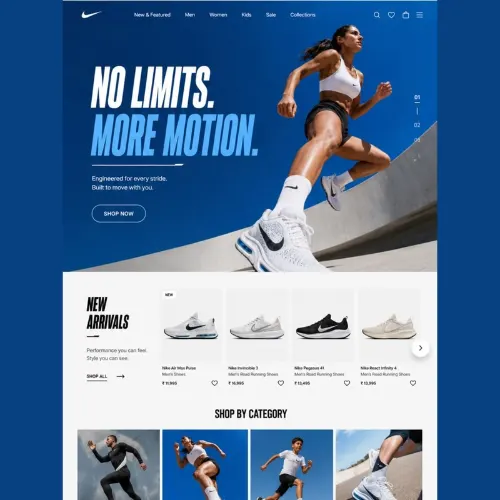
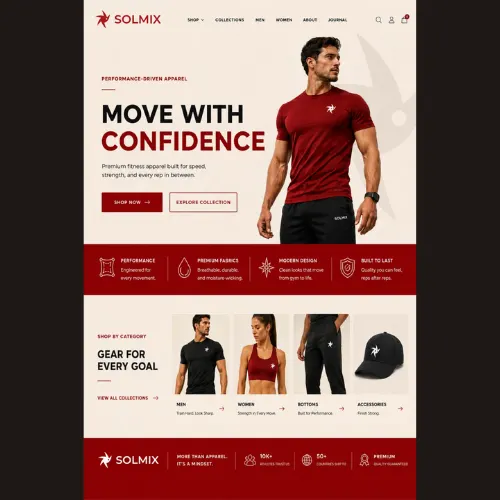
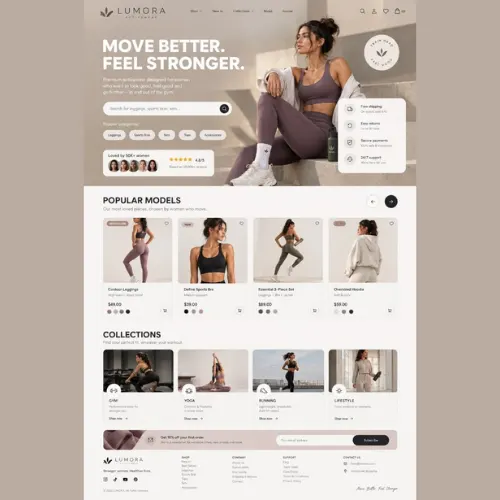
F. Sportswear and Activewear Websites That Feel Full of Energy
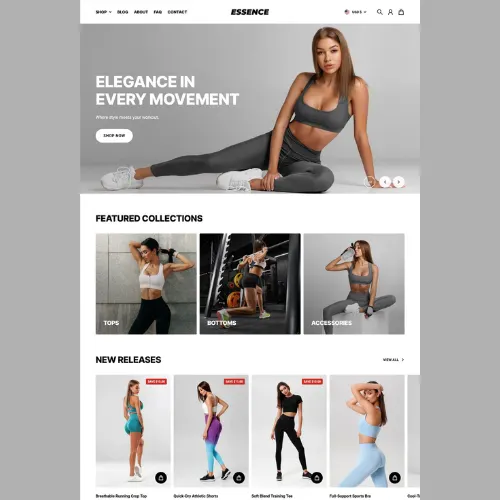
Someone shopping for activewear is usually looking for more than an attractive outfit. They may want leggings that stay in place during a workout, a breathable running T-shirt, or comfortable clothing for yoga.
Your website should help them understand what each product offers. Use high–quality photographs that show your clothes in action and include all the crucial information about stretch, fabric, support, fit, and intended use wherever relevant.
Organising products by activities such as running, gym training, yoga, cycling, and everyday athleisure also makes browsing easier.
Source: https://in.pinterest.com/
Source: https://in.pinterest.com/
Source: https://in.pinterest.com/
Source: https://in.pinterest.com
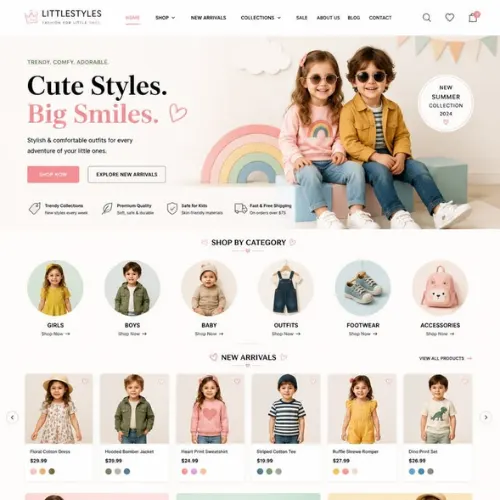
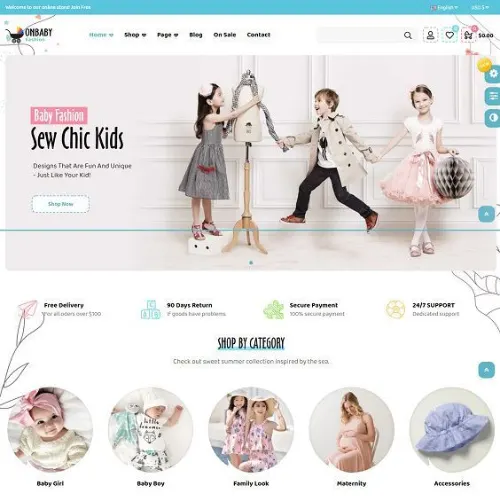
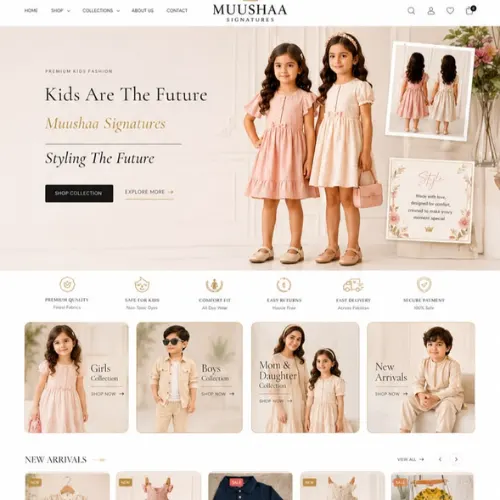
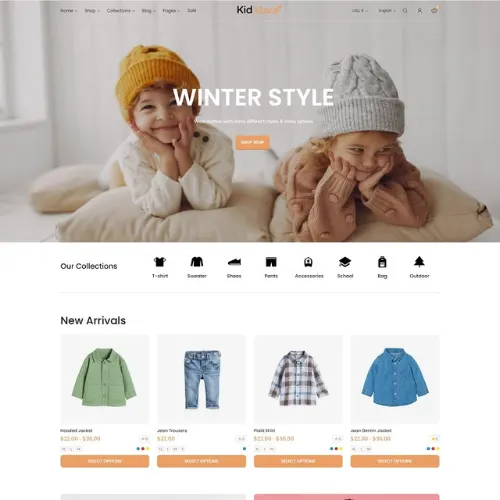
G. Kidswear Websites That Parents Can Shop Without Confusion
Kidswear websites can be colourful, playful, and full of character. But remember who is actually doing the shopping: usually the parents.
Make it easy to browse by age group, size, clothing type, and occasion. Clear size charts are especially important because children’s sizes can vary considerably between brands.
Photographs should show how the clothes look when worn, while product descriptions can cover fabric composition, washing instructions, and multipack details. A cheerful design is lovely, but parents will appreciate a website that saves them time even more!
Source: https://in.pinterest.com/
Source: https://in.pinterest.com/
Source: https://in.pinterest.com/
Source: https://in.pinterest.com
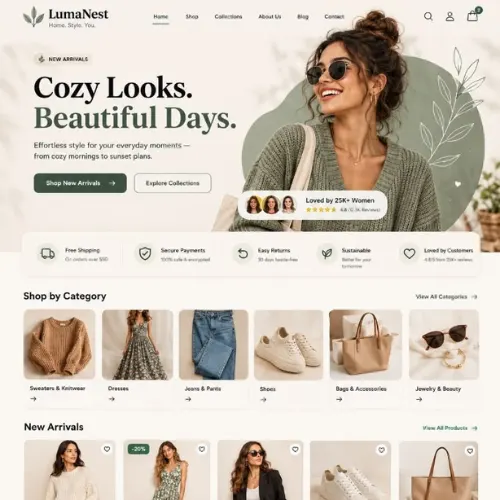
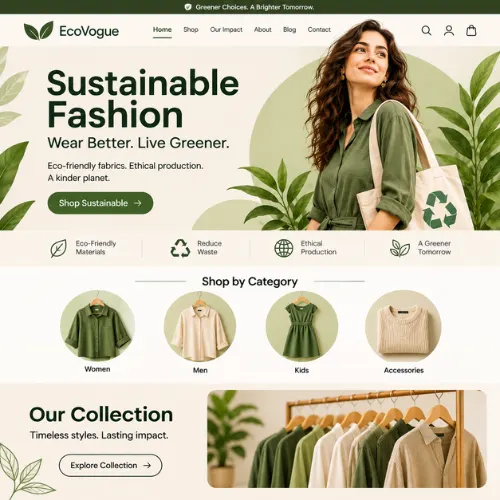
H. Sustainable Fashion Websites That Tell the Full Story
If sustainability is a big part of your clothing brand, don’t just add a green colour palette and call the website eco-friendly.
Customers interested in sustainable fashion often want to know where the materials come from, how the clothes are produced, and what makes them different from conventional alternatives.
Use your website to explain these things properly. Try to introduce the people behind the collection, discuss sustainable material choices, and share information about repair, resale, or take-back programmes if applicable.
Be very specific about environmental claims, too. If you use certified organic cotton or recycled fabric, explain exactly what that means and how it contributes to the well-being of the environment!
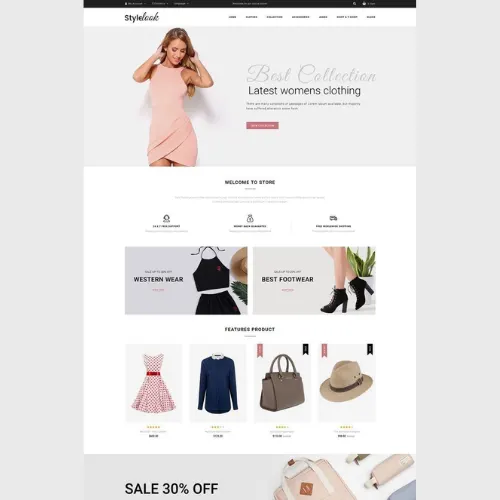
Source: https://in.pinterest.com/
Source: https://in.pinterest.com/
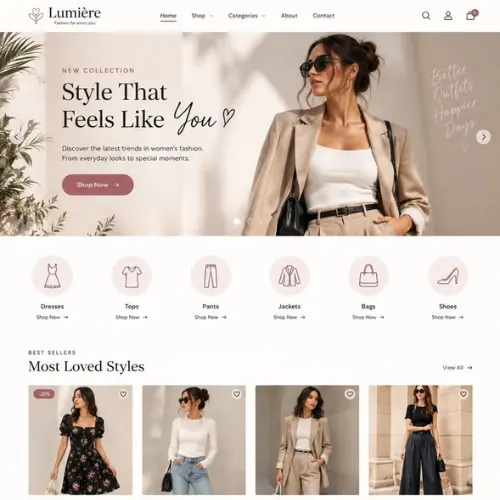
Source: https://in.pinterest.com/
Source: https://in.pinterest.com
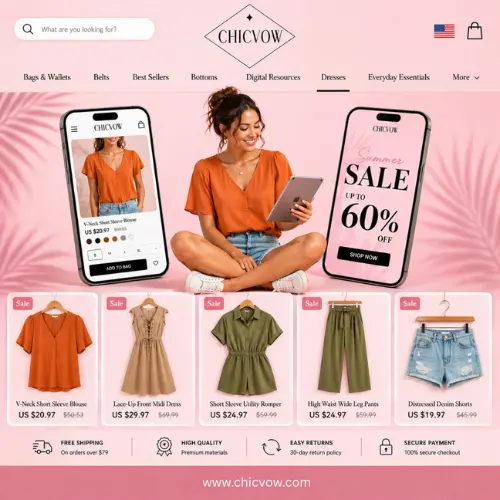
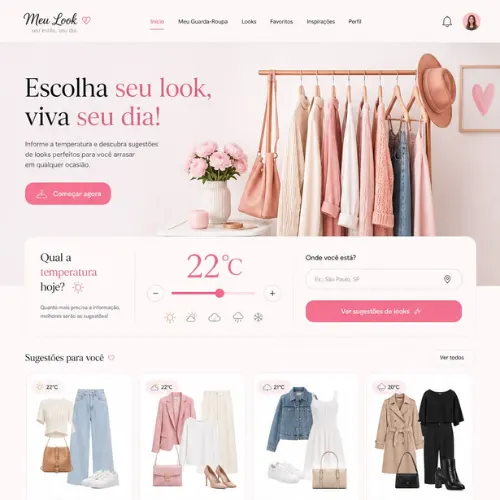
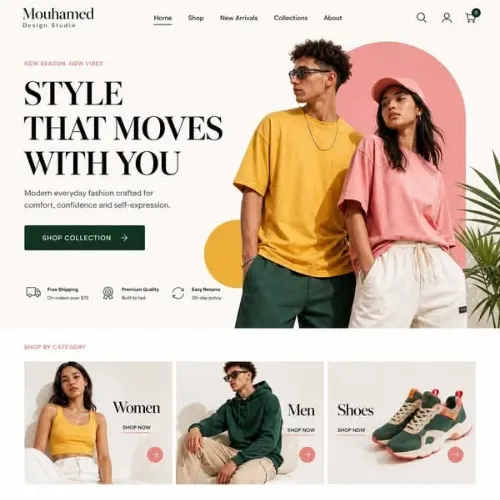
I. Everyday Clothing Websites That Keep Things Simple
Not everyone visits a clothing website looking for a full-blown fashion experience. Sometimes, they just want a comfortable pair of jeans, a basic T-shirt, or a shirt for work.
For everyday clothing brands, convenience should be a major part of the design. Keep categories familiar, display prices clearly, and make size and colour filters easy to use.
Bestsellers, new arrivals, multipacks, and wardrobe essentials can be featured on the homepage. There’s no need to make customers work through a complicated layout when they’re simply trying to find something they need.
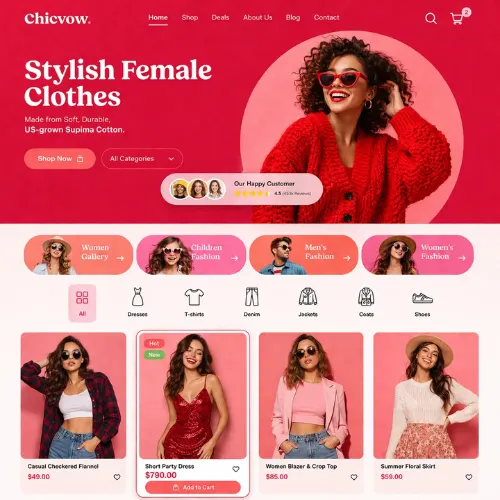
Source: https://in.pinterest.com/
Source: https://in.pinterest.com/
Source: https://in.pinterest.com/
Source: https://in.pinterest.com
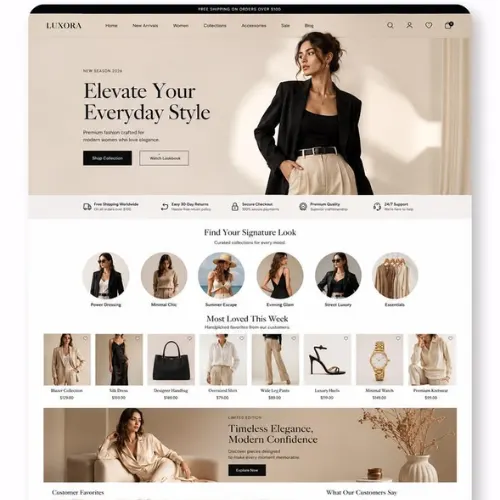
J. Fashion Ecommerce Websites That Make Buying Easier
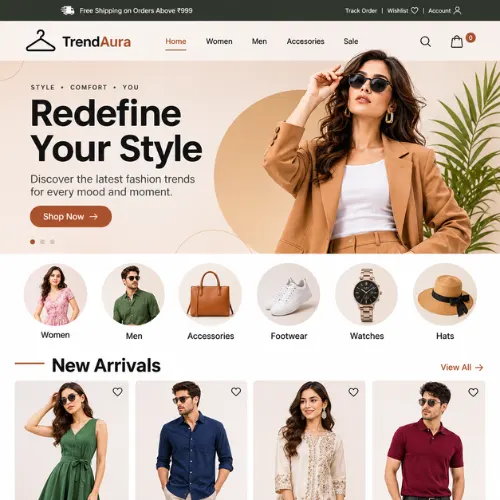
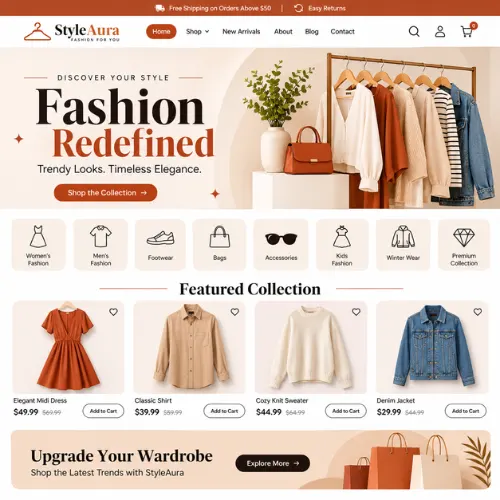
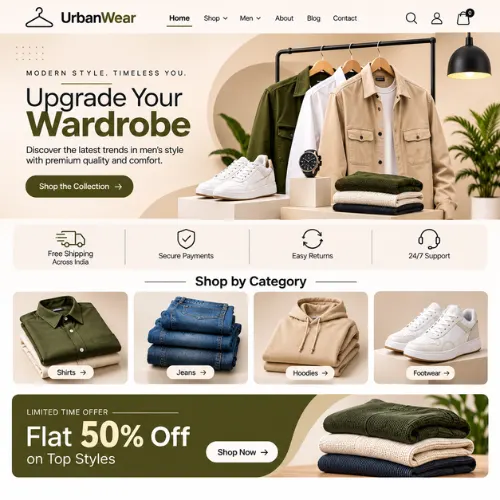
A fashion eCommerce website typically brings everything together, from the first product photograph to the final payment confirmation!
Visitors should be able to browse collections, search for products, apply filters, check stock, read reviews, and complete their purchases without unnecessary steps.
Product recommendations and recently viewed items can also help customers discover more of the collection. But don’t overwhelm them with pop-ups and constant promotional messages. A good ecommerce website knows when to show useful information and when to let the customer shop.
Source: https://in.pinterest.com/
Source: https://in.pinterest.com/
Source: https://in.pinterest.com/
Source: https://in.pinterest.com
How to Design a Clothing Website That Looks Stylish and Actually Sells
You have decided on the visual direction. Now comes the important part: building a website that customers can comfortably use. Here’s what we would pay more attention to.
1. Figure Out Your Brand Identity Before Designing Anything
Before choosing fonts or homepage layouts, be absolutely clear about the kind of clothing brand you are building.
Are you selling affordable everyday wear, premium designer outfits, ethnic clothing, or streetwear? Who are your customers? What do they usually look for when shopping?
These answers will influence everything from your colour palette and photography to the language used across the website. Without a clear identity, it’s easy to end up with a website that looks attractive but doesn’t really say anything about the brand.
2. Give Your Homepage a Strong First Impression
When someone visits your website, they shouldn’t have to guess what you sell.
Use a good campaign photograph, introduce the latest collection, and make the main shopping categories easy to spot. If you’re launching a new range or running a seasonal collection, give it a visible place.
Don’t try to fit every promotion into the first screen. A homepage crowded with banners, offers, and announcements can make the entire store feel overwhelming.
3. Organise Your Products So People Can Find Them
Think about how customers would browse your physical store. They might go straight to dresses, look for men’s shirts, or ask for something suitable for a wedding.
Your website navigation should make these journeys just as easy. Organise products into clear categories and provide filters for size, colour, price, material, and fit wherever they make sense.
A useful search bar is equally important, especially if your store has a large collection. Customers should be able to find a particular product without scrolling endlessly.
4. Make Your Product Pages Answer the Important Questions
Your product page should answer the questions someone would normally ask in a store. How does the fabric feel? Is the fit relaxed or slim? What size is the model wearing? Does the dress have a lining? How should the garment be washed?
Use multiple high-quality photographs, including close-ups and images of the garment being worn. Ensure you include all the necessary details of your garments, such as the fabric composition, measurements, size availability, aftercare instructions and more for absolute convenience.
5. Make Sure the Website Works Properly on Mobile
A customer might discover your clothing brand through an Instagram post and visit the website directly from their phone. If the images take forever to load or the menu is difficult to use, they may simply leave.
Always prefer readable text, properly sized buttons, mobile-friendly menus, and images that load quickly.
Ensure you test your website on actual phones rather than just assuming that a desktop design will automatically work on smaller screens!
6. Keep the Shopping Cart and Checkout Straightforward
Imagine finding the perfect outfit and then having to complete a long and boring registration form before you can even pay for it. That’s an unnecessary reason for someone to abandon their order!
Allow guest checkout, display delivery charges early, and provide familiar payment methods. Customers should also be able to review their selected size, colour, and quantity before making payment.
7. Give Customers Enough Reasons to Trust You
Buying clothes online involves a little uncertainty. Customers cannot try the garment on, so your website needs to make them feel comfortable about placing an order.
Show genuine customer reviews, provide clear delivery timelines, and make your exchange and return policies easy to find. Include contact information and explain what happens if an item arrives damaged or doesn’t fit.
Delivery choices matter a lot here. 95% of surveyed shoppers across 24 countries claimed that delivery options influenced where they shopped online.
Wrapping It Up:
A clothing website shouldn’t look as though it could belong to any fashion business. The photography, layout, colours, product descriptions, and shopping experience should reflect the clothes and the people they are made for. At the same time, customers shouldn’t have to struggle to find a product, understand its fit, or place an order.
At DesignerPeople, we help fashion and lifestyle businesses build distinctive brand identities and digital experiences. Whether you are launching your first clothing label or giving an established fashion business a new online presence, we can help bring the brand’s personality into its website.
Planning a new fashion website? Explore DesignerPeople right now, and let’s create an online store that gives your collection the attention it deserves!
Author: Megha Malik

As a passionate entrepreneur and creative brand consultant with experience of 18 years in digital, branding and packaging industry, it is my honest effort to put my experiences and knowledge of industry towards readers. A chartered accountant by degree but a marketing personality in blood has motivated her to take in designing industry as a career. With her fun-loving personality and sharp branding skills, she is a great motivational speaker on her YouTube channel, an active member in various business channels offline as well as online. Do connect me personally via my LinkedIn and I love to share my expertise with you.