
A few years ago, building a recognisable brand mostly meant getting the basics right:
a memorable logo,
a consistent colour palette,
a good tagline,
and a strong advertising campaign!
Those things still matter, of course. But the way people discover, understand, and connect with brands is changing quickly.
AI is heavily influencing how customers search for products. Social media is making brand conversations way more immediate. Consumers are questioning your old artificial-looking content and paying closer attention to what businesses actually stand for. At the same time, brands are experimenting with flexible identities, motion-led visuals, and more culturally relevant storytelling.
So, what will successful branding look like in 2027? Here are nine trends that could influence how global brands build recognition, earn trust, and stay relevant.
Table of Contents
Is 2027 About to Change the Way the World’s Biggest Brands Build Their Identity?
Quite possibly. The biggest shift is that branding is no longer limited to what a company says about itself. It is also shaped by what customers experience, what other people say, and what search engines and AI tools reveal about the business.
88% of consumers consider trust in a brand an important or critical factor when making a purchase. That puts trust alongside product quality and value as a major purchase consideration.
For brands, this means recognition alone isn’t enough in this era.
Customers need more reasons to believe what a business promises. Now the brands that actually get this balance right will have a stronger chance of staying relevant in 2027.
9 Branding Trends That Could Change the Way Global Brands Connect With People
If you are finally revamping your branding strategy or simply creating a new one, here are some top trends to consider in 2027.
1. AI Will Help Research Brands, but Human Creativity Will Give Them Character
AI is becoming a useful part of the branding process. Teams can use it to study customer preferences, explore market trends, organise audience insights, test early concepts, and speed up repetitive design tasks.
But there’s a difference between using AI to support creative work and letting it decide what a brand should look and sound like.
A brand identity needs a point of view. It needs to reflect the company’s personality, audience, history, and ambitions. AI can suggest a hundred logo directions, but it cannot automatically tell a brand which one feels right for its customers.
There’s also a growing concern about overusing AI-generated content. In a recent survey, 65% of consumers believed brands were producing too much AI-generated marketing content. Another 57% said this content had made them less trusting of brand messaging!
That’s a useful warning for businesses experimenting with AI.
What this means for brands: Use AI for research, exploration, and efficiency. Keep human designers and strategists responsible for creative direction, emotional connection, and the final brand identity.
Source: https://in.pinterest.com/
Source: https://in.pinterest.com/
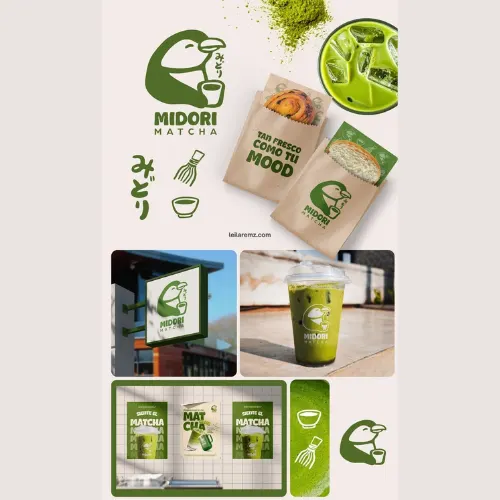
Source: https://in.pinterest.com/
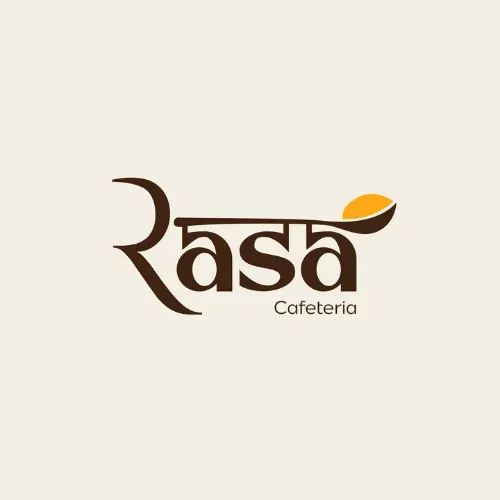
Source: https://in.pinterest.com/
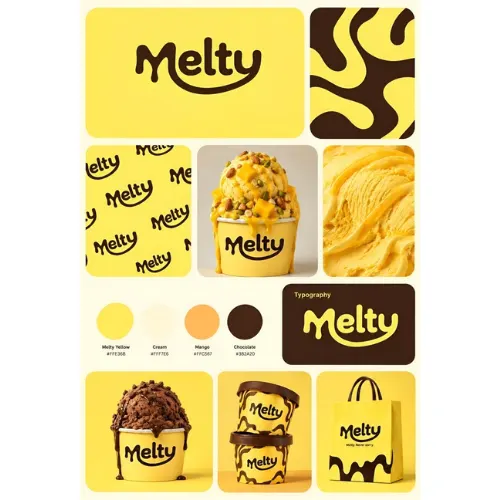
Source: https://in.pinterest.com/
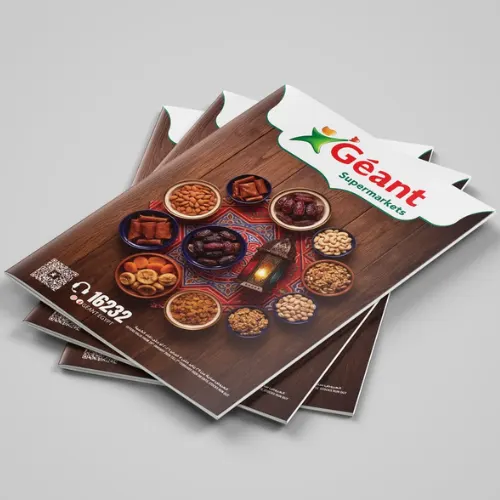
Source: https://in.pinterest.com/
2. Authentic Branding Will Beat Artificial Perfection
Customers are gradually getting really great at recognising when a brand is trying too hard.
It’s time to ditch the perfectly polished advertisements, generic motivational messages, and endless promotional posts that can make businesses feel distant rather than relatable.
Authentic branding takes a different approach. It allows a brand to communicate in a natural voice, show the people behind the business, acknowledge its limitations, and demonstrate its values through real actions.
This doesn’t mean every brand needs to share behind-the-scenes videos or adopt a casual social media personality.
Here’s the trick. A luxury branding can feel more authentic while still remaining sophisticated in the videos. Similarly, a tech company can be more authentic through clear communication and honest product information.
The important thing is consistency between what a brand promises and what it delivers.
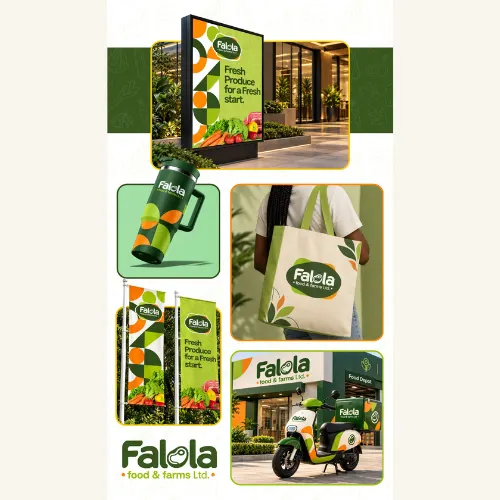
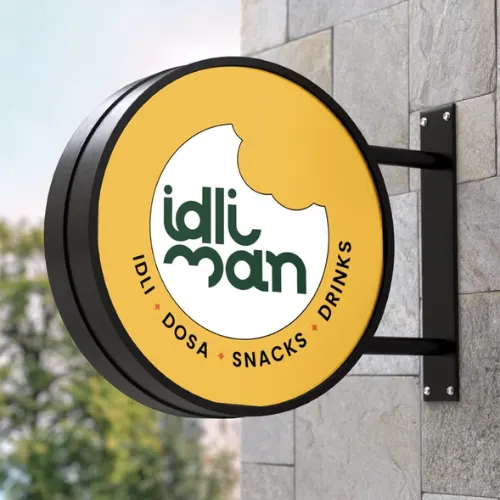
People notice when brands understand the world their customers live in.
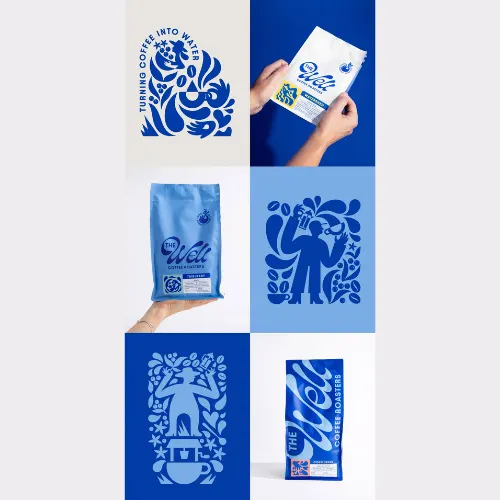
Source: https://in.pinterest.com/
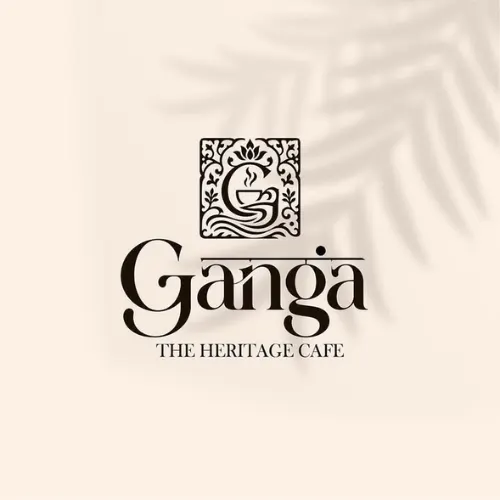
Source: https://in.pinterest.com/
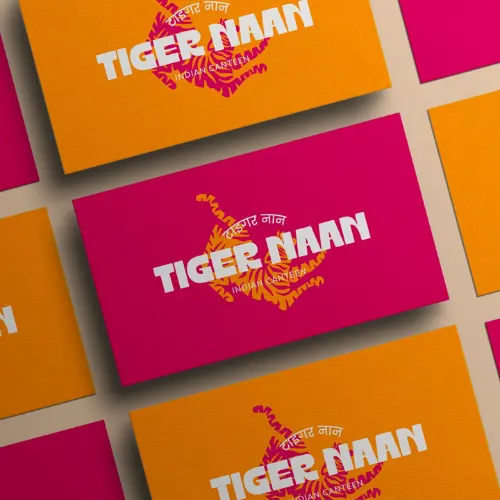
Source: https://in.pinterest.com/
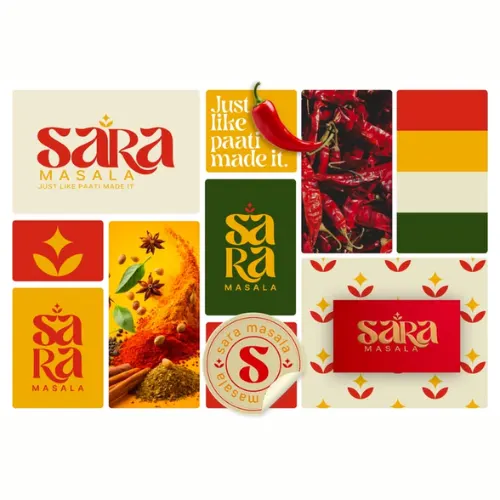
Source: https://in.pinterest.com/
Source: https://in.pinterest.com/
Source: https://in.pinterest.com/
3. AI Search Visibility Will Become Part of Brand Building
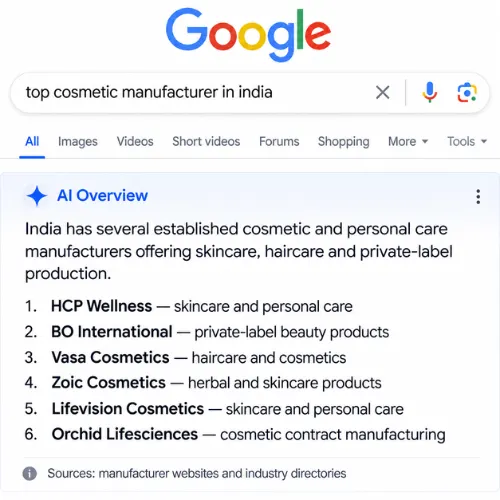
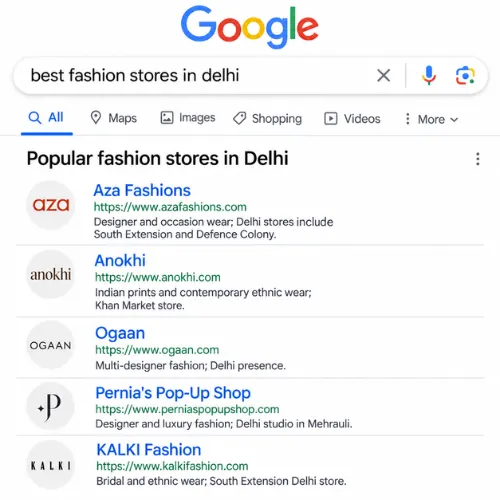
People don’t always discover brands by visiting Google, randomly typing a company name, and clicking the first website result anymore. Things have changed now.
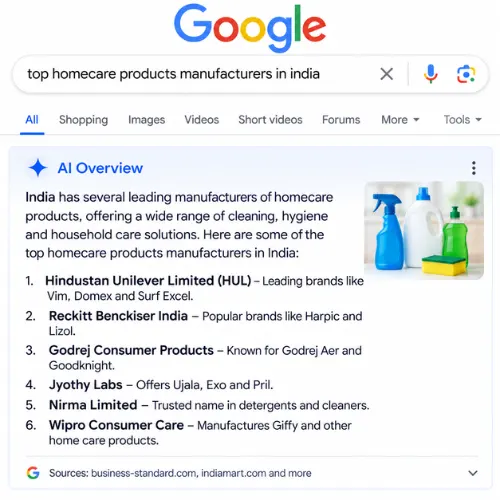
They may ask ChatGPT for multiple recommendations, use Google’s AI Overviews to compare products, or even turn to other AI tools for summaries and research!
This creates a new branding priority: making sure your business is understandable, credible, and discoverable across AI-powered search experiences.
91% of consumers currently use them for shopping-related activities such as researching brands, comparing products, and summarising reviews.
Google has also reported that, in major markets including India and the US, AI Overviews are driving more than a 10% increase in Google usage for the types of queries where the feature appears.
For brands, this changes the importance of clear information. A website should explain what the business offers, who it serves, what makes it different, and why customers can trust it. Original research, expert commentary, consistent business information, and credible third-party mentions can all help establish authority.
Always treat AI search visibility as an extension of your brand reputation in 2027. Focus more on building useful, valuable, and well-structured content and earn genuine credibility rather than simply relying only on keyword placement within the content.
Source: https://in.pinterest.com/

Source: https://in.pinterest.com/
Source: https://in.pinterest.com/
Source: https://in.pinterest.com
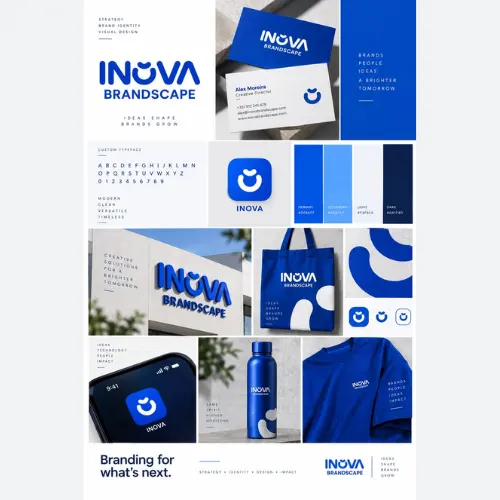
4. Flexible Brand Identity Systems Will Replace One-Logo-Fits-All Thinking
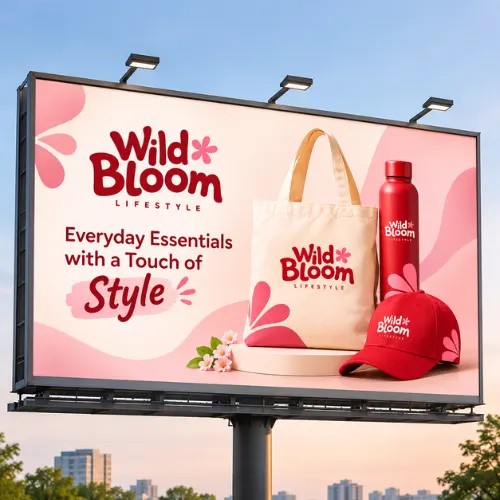
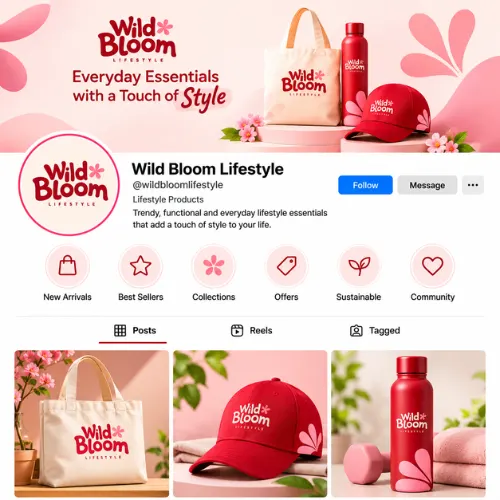
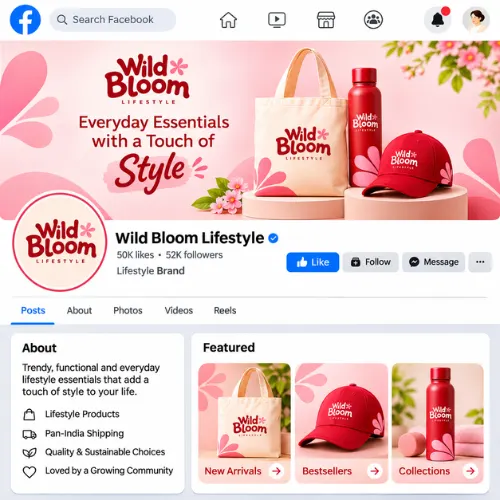
Your brand is going to appear on the official website, a mobile app, a product label, a billboard, a social media profile, and even as a tiny digital icon! It should be everywhere.
However, expecting one fixed logo arrangement to work perfectly in every situation will surely limit how your brand identity is used.
That’s why flexible brand identity systems are becoming more important.
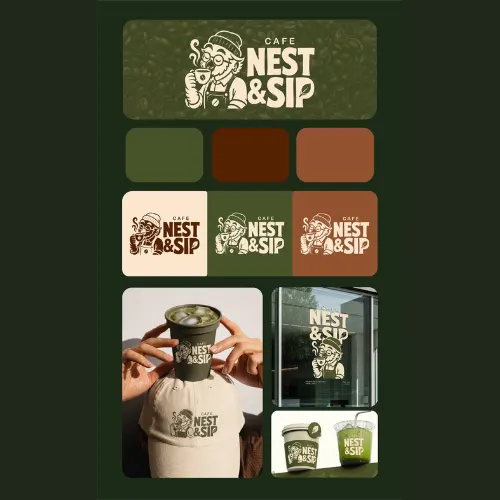
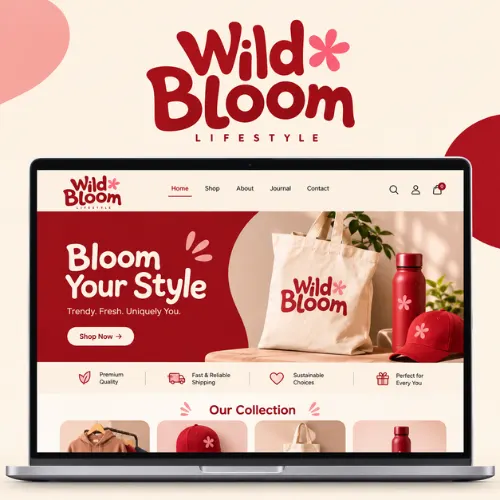
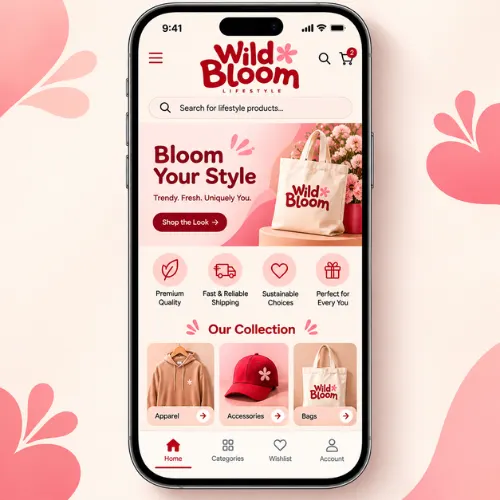
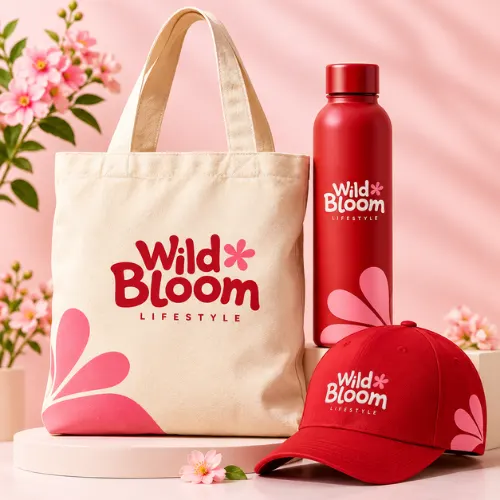
A flexible system has a recognisable core but allows certain elements to adapt. It might include alternate logo arrangements, responsive typography, a wider colour palette, graphic patterns, illustrations, and templates for different platforms.
Build a brand that uses a full logo on its website, a compact symbol in the app, and a distinctive yet impactful graphic language across all the brand campaigns. Now, each version looks slightly different, but customers can still quickly recognise the brand in no time.
The trick is to allow variation without losing consistency.
Source: https://in.pinterest.com/
Source: https://in.pinterest.com/
Source: https://in.pinterest.com/
Source: https://in.pinterest.com/
Source: https://in.pinterest.com/
Source: https://in.pinterest.com/
5. Motion Branding Will Become a Bigger Part of Brand Recognition
Brand identities are no longer experienced only through static images. They move across video advertisements, social media reels, app interfaces, website animations, digital displays, and streaming platforms.
Motion branding gives businesses another way to become recognisable. This could be a short animated logo, a distinctive transition, moving graphic elements, or a consistent animation style used in videos and digital campaigns.
For example, a new-age tech company will benefit more from smooth, precise animations to communicate innovation.
On the other hand, a children’s clothing brand might have more playful movement here.
Similarly, a premium beauty label might prefer slower and understated transitions.
The goal isn’t to animate everything. Too much movement can become distracting, particularly when customers are trying to read information or navigate a website.
A good motion identity should feel like a natural extension of the brand’s personality.
What this means for brands: Develop a consistent motion language that works across digital touchpoints, rather than creating unrelated animations for every campaign.
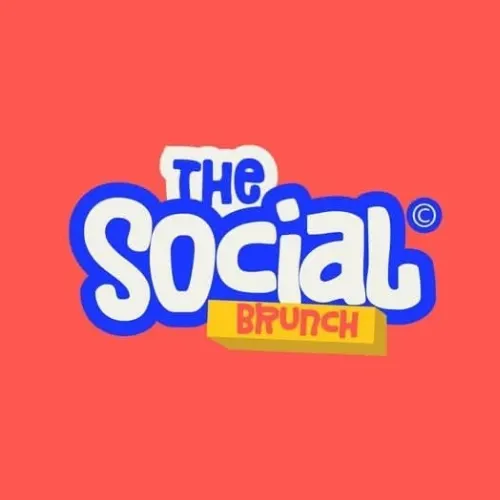
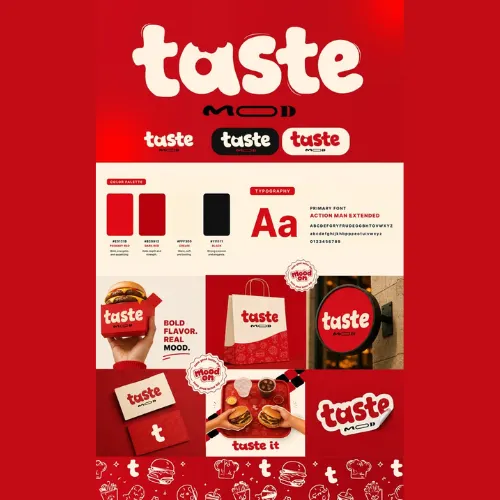
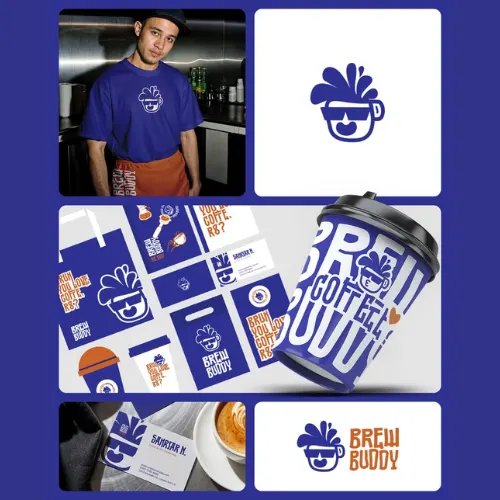
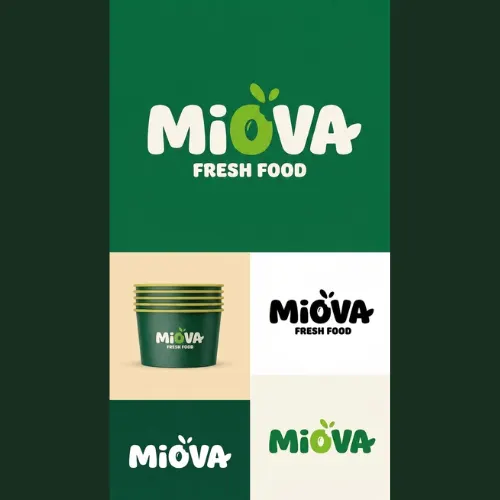
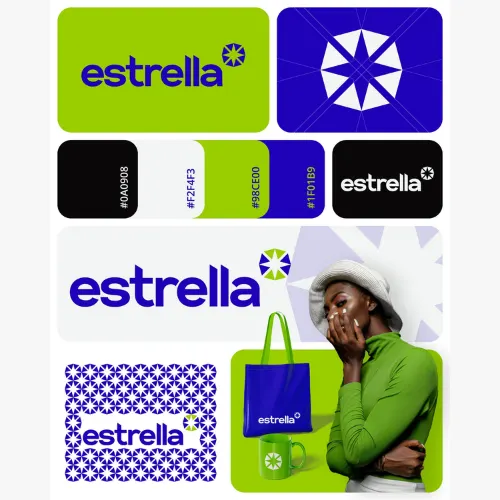
6. Bold Typography and Expressive Visuals Will Challenge Minimalist Branding
Minimalist branding has had a long run. Clean layouts, neutral colours, simple symbols, and understated typography have become familiar across industries by now. We know it all.
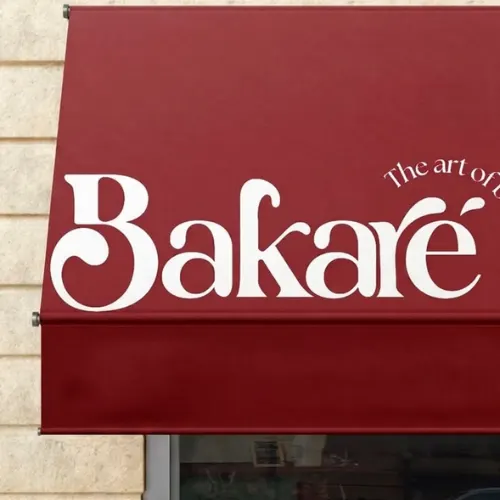
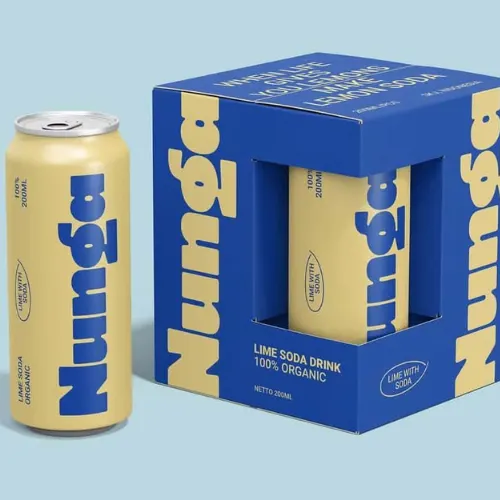
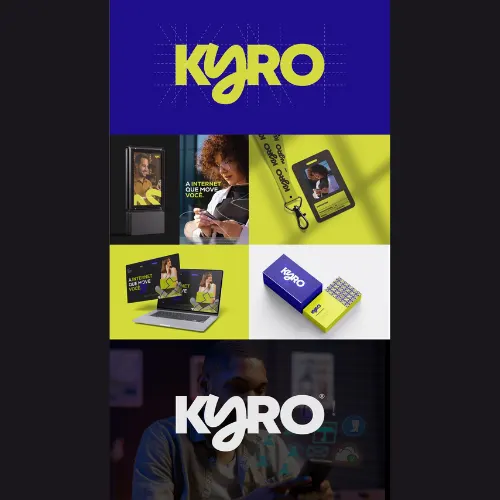
But not every brand wants to look restrained in this era. In 2027, businesses may also consider exploring some expressive typography, oversized lettering, unexpected colour combinations, and even distinctive graphic styles to stand apart!
This doesn’t mean minimalism is disappearing. It means brands have more freedom to choose a visual identity that reflects their personality instead of following the same design formula.
A youth-focused fashion label might use oversized type and energetic colours. A food brand could build recognition through playful illustrations, while a cultural organisation might use typography inspired by its heritage.
The key is to make bold brand design purposeful. If customers remember the colour but cannot remember the brand name or understand the product, the design hasn’t done its job.
Choose visual elements that make your identity recognisable. Don’t follow minimalism or maximalism simply because one is fashionable.
Source: https://in.pinterest.com/
Source: https://in.pinterest.com/
Source: https://in.pinterest.com/
Source: https://in.pinterest.com/
Source: https://in.pinterest.com/
Source: https://in.pinterest.com/
7. Sustainable and Transparent Branding Will Become a Trust Factor
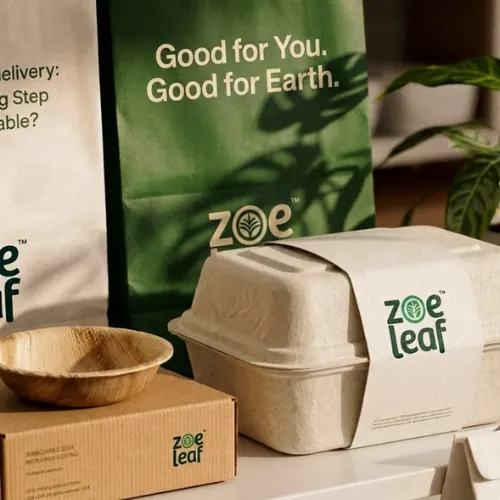
Consumers in this era really want to know what sits behind a brand’s promises. If a company talks more about sustainability, people may want to understand its materials, manufacturing processes, sourcing, packaging, and environmental claims.
This is where transparency becomes part of branding.
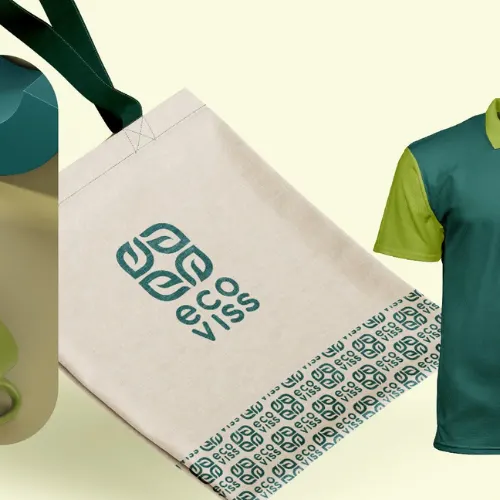
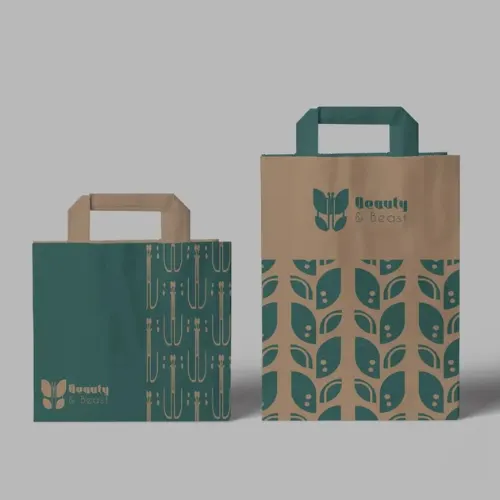
A sustainable identity should not just rely on green colours, nature-inspired illustrations, or phrases such as “eco-friendly” without evidence. It should strongly communicate specific actions and provide clear information that customers can quickly verify.
What this means for brands: Make sustainability claims specific, honest, and supported by evidence. Transparency builds more credibility than vague environmental promises.
Source: https://in.pinterest.com/
Source: https://in.pinterest.com/
Source: https://in.pinterest.com/

Source: https://in.pinterest.com/
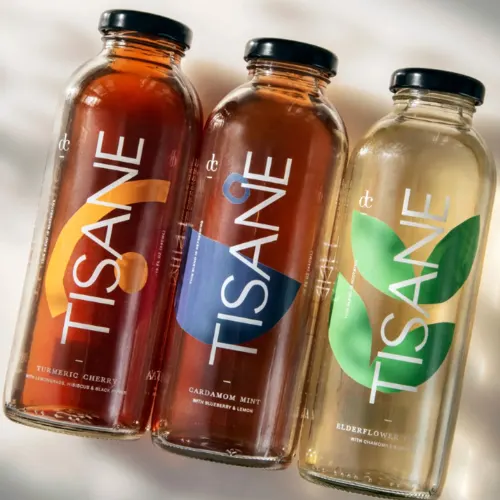
Source: https://in.pinterest.com/
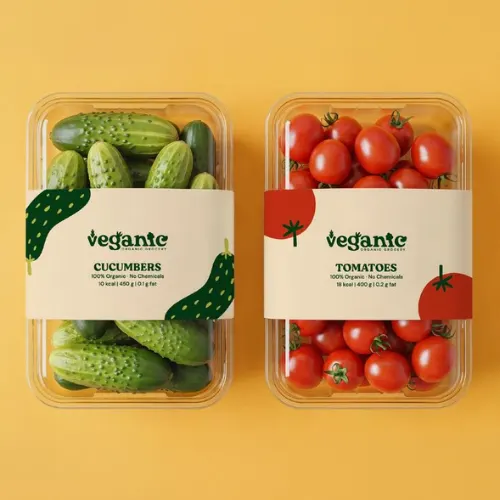
Source: https://in.pinterest.com/
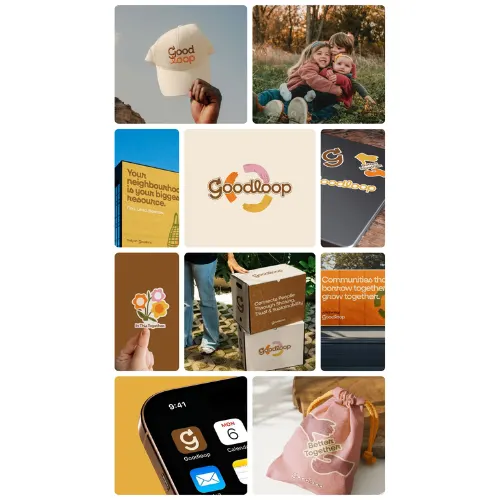
8. Community-Led Branding Will Build Stronger Customer Loyalty
People may discover a brand through an advertisement, but they often develop a deeper connection through other people.
Think about fitness communities, beauty groups, gaming audiences, independent fashion labels, or customers who actively recommend their favourite products. These communities give people a reason to engage with a brand beyond making a purchase.
Community-led branding is all about creating spaces where customers can genuinely interact, exchange ideas, share experiences, and feel included.
Try including this through interactive events, online groups, customer-led campaigns, loyalty programmes, or even fun collaborations with local creators.
The brand still needs to guide the experience, but it shouldn’t control every conversation.
Remember: Trust is not built through promotional messages alone. It grows when customers see consistent behaviour. A strong community makes people feel connected to the brand and to one another.
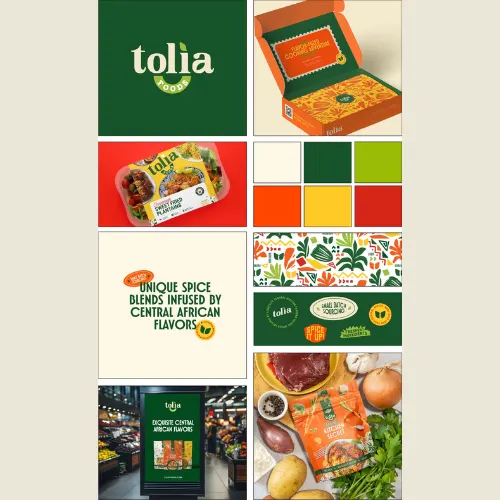
Source: https://in.pinterest.com/
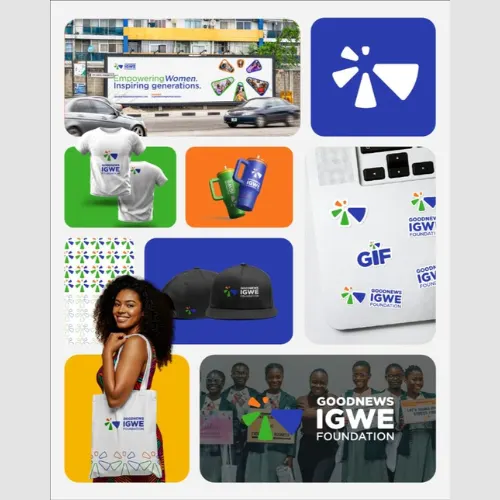
Source: https://in.pinterest.com/
Source: https://in.pinterest.com/
Source: https://in.pinterest.com/
Source: https://in.pinterest.com/
Source: https://in.pinterest.com/
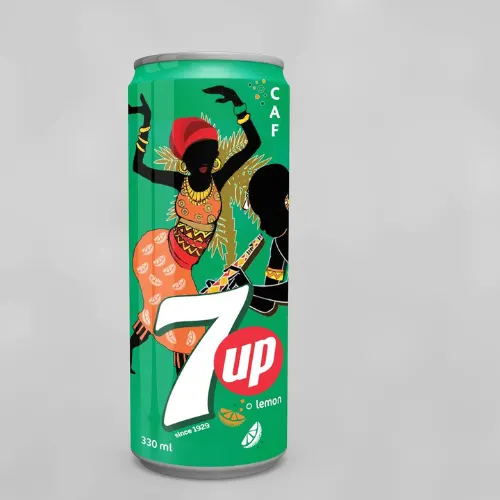
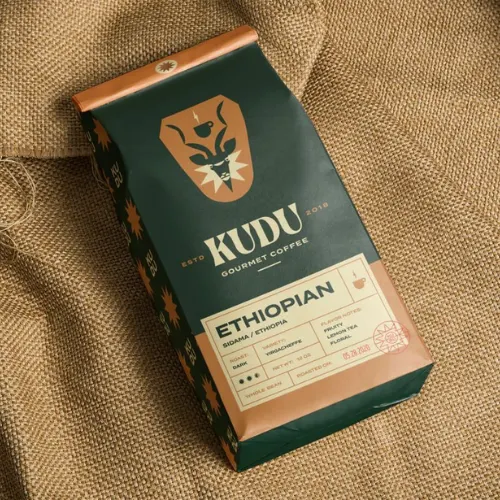
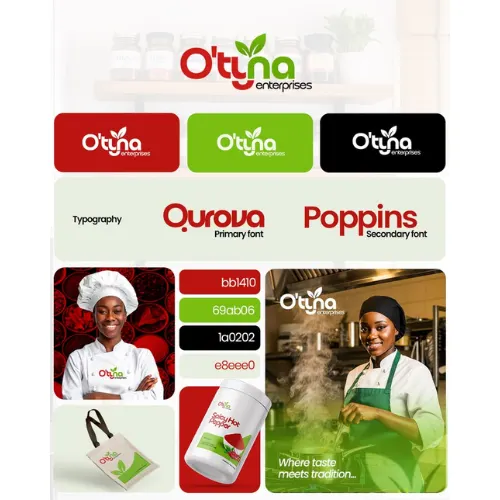
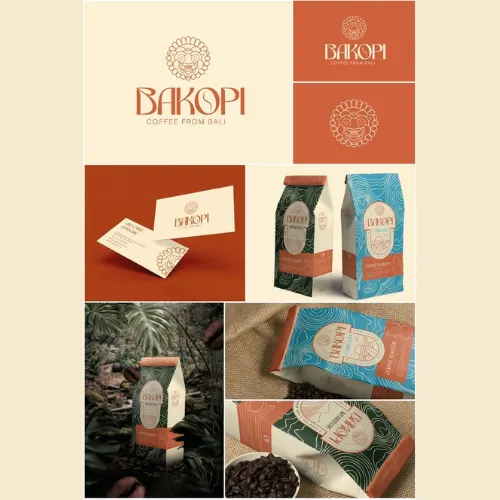
9. Global Branding Will Make More Room for Local Culture and Regional Identity
A global brand needs to be recognisable across markets, but that doesn’t mean every country should see exactly the same campaign.
Customers bring their own languages, traditions, cultural references, humour, and expectations when they start interacting with a business.
The trick here is to understand these tiny differences, and you can truly create memorable experiences that feel way more relevant without losing the wider identity.
This is where localisation becomes so important in 2027.
Make your brand adapt the campaign visuals for a regional festival, collaborate with local artists, use familiar expressions in brand communication, or even introduce new products that reflect more local preferences.
Localisation, however, should go beyond adding a regional greeting to a global advertisement. It requires understanding the culture and representing it respectfully.
What this means for brands: Keep the core identity consistent, but let campaigns, communication, and customer experiences reflect the markets they serve.
Source: https://in.pinterest.com/
Source: https://in.pinterest.com/
Source: https://in.pinterest.com/
Source: https://in.pinterest.com/
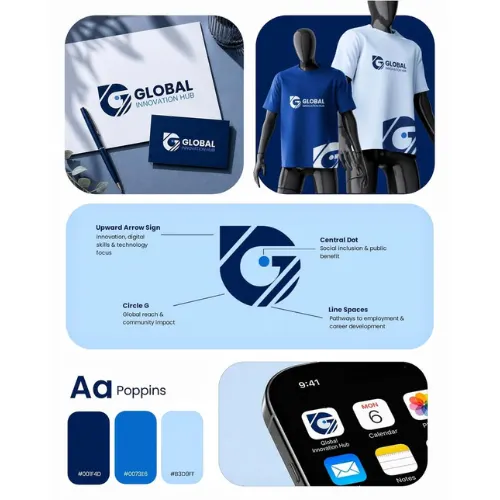
Source: https://in.pinterest.com/
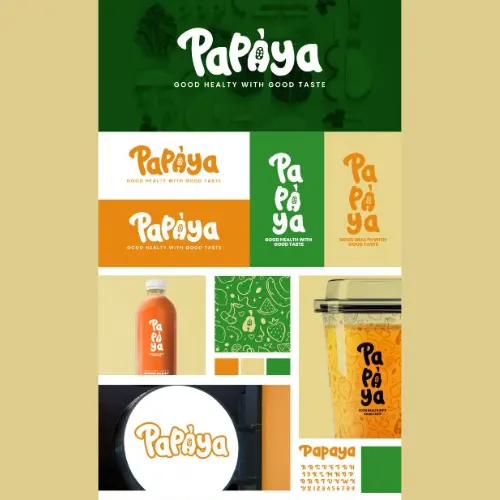
Source: https://in.pinterest.com/
How These 9 Branding Trends Will Shape Global Brand Strategies in 2027
These trends point primarily towards a more connected approach to brand building. AI and search visibility are bound to influence how people discover businesses this year, while authenticity, transparency, and community will affect whether they actually trust them!
Visual identity will also become more adaptable. Brands will need to work more across static and moving formats, different screen sizes, physical experiences, and culturally diverse markets.
The biggest opportunity lies in combining these elements rather than treating each trend as a separate design exercise. A strong brand in 2027 will be recognisable, easy to understand, culturally aware, and consistent in what it promises and delivers.
Wrapping Up:
Branding in 2027 will no longer just be about chasing every new design trend. Choose according to your brand requirements.
Focus more on strategically understanding which changes actually matter to your audience and use them to build a stronger and more impactful brand identity.
At DesignerPeople, we help businesses create distinctive brand identities that connect visual design with strategy. From brand positioning and logo design to packaging, digital identity, and complete brand experiences, we help brands communicate what makes them different.
Thinking about refreshing your brand for 2027? Get in touch with DesignerPeople today, and let’s build an identity that feels relevant today and stays recognisable tomorrow!
Author: Megha Malik

As a passionate entrepreneur and creative brand consultant with experience of 18 years in digital, branding and packaging industry, it is my honest effort to put my experiences and knowledge of industry towards readers. A chartered accountant by degree but a marketing personality in blood has motivated her to take in designing industry as a career. With her fun-loving personality and sharp branding skills, she is a great motivational speaker on her YouTube channel, an active member in various business channels offline as well as online. Do connect me personally via my LinkedIn and I love to share my expertise with you.