
Your product can have an excellent formula, a competitive price, and a strong marketing campaign. But when it reaches the shelf, its packaging still has to do some serious work. It needs to catch someone’s eye, explain what makes the product worth buying, and make your brand easy to recognise!
That’s becoming more interesting as we head towards 2027. Packaging is no longer just about choosing a colour scheme or finding a good-looking box. Brands are exploring AI-assisted design, smarter materials, interactive labels, tactile finishes, and packaging that works just as well for online orders as it does in a physical store.
So, what’s actually changing? We have picked out nine packaging design trends worth paying attention to, along with what they could mean for brands planning their next packaging refresh. Let’s learn more about them.
Table of Contents
Are Your Packaging Designs Keeping Up With What 2027 Shoppers Expect?
Shoppers are becoming more particular about what they buy and what they expect from the products they bring home. They want packaging that looks appealing, protects the product, provides useful information, and doesn’t create unnecessary waste.
A 2025 McKinsey survey of more than 11,000 consumers across 11 countries, including India, found that food safety and shelf life remain the most important packaging characteristics influencing purchase decisions. Recyclability was the most important sustainability feature across the countries surveyed. In other words, attractive packaging is important, but it cannot come at the cost of practicality!
There’s another shift worth noticing. There is a major shift towards three emerging consumer interests: heritage and craftsmanship, imaginative experiences, and playful designs. Together, they suggest that people may be drawn to packaging that feels more personal, expressive, and enjoyable to interact with.
Now for brands, the challenge is finding the right balance between visual appeal, usefulness, and responsible design and rest assured, your brand will be the customer’s favourite of all time!
9 Packaging Design Trends That Could Change the Look of the Shelf in 2027
From clever technology to designs that simply make people smile, these are nine directions worth exploring this year.
1. Human-AI Collaborative Packaging Design
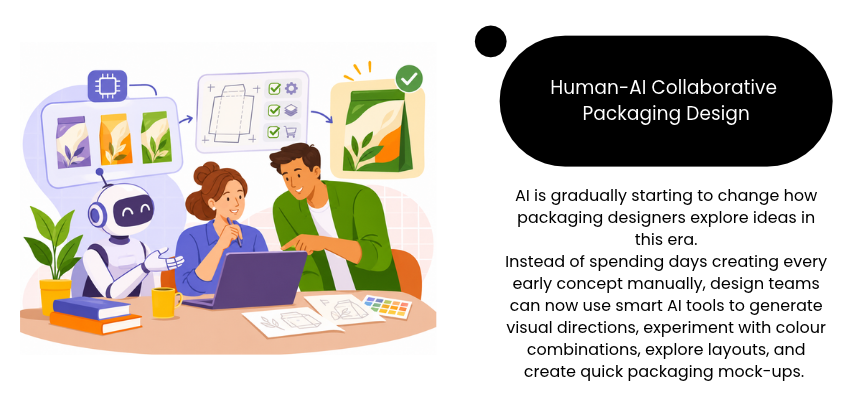
AI is gradually starting to change how packaging designers explore ideas in this era.
Instead of spending days creating every early concept manually, design teams can now use smart AI tools to generate visual directions, experiment with colour combinations, explore layouts, and create quick packaging mock-ups.
But the interesting part isn’t just generating more designs. It is more about using consumer and market insights to make better design decisions.
For example, a snack brand planning to launch a new range could study customer preferences, competitor packaging, and product positioning before exploring different visual directions with AI. The design team can then shortlist concepts that suit the brand and test them with actual shoppers.
AI can surely speed up exploration, but it can never replace an understanding of printing, materials, packaging structure, or brand identity. A design that looks impressive on screen still needs to work when it’s manufactured.
2. Premium Sustainable Packaging
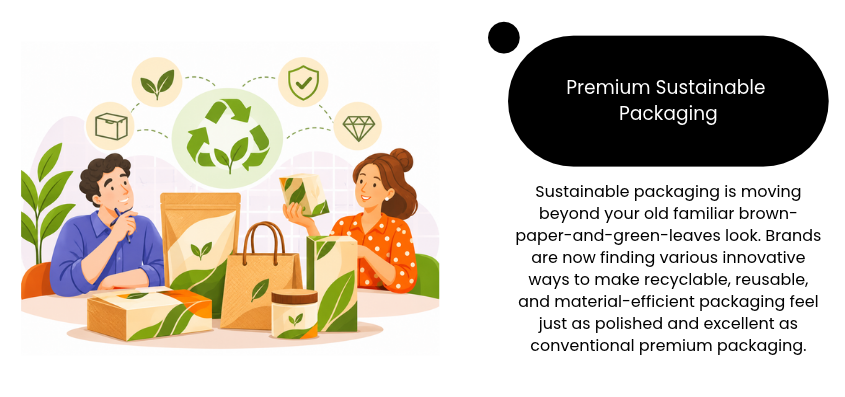
Sustainable packaging is moving beyond your old familiar brown-paper-and-green-leaves look. Brands are now finding various innovative ways to make recyclable, reusable, and material-efficient packaging feel just as polished and excellent as conventional premium packaging.
Think carefully designed paperboard cartons, refillable containers, lighter glass bottles, mono-material packs, and minimal designs that don’t rely on unnecessary layers or oversized boxes.
The important point is that sustainable packaging should be designed around the product and its actual disposal or reuse journey. Simply calling something biodegradable or eco-friendly doesn’t make it a responsible choice.
A popular global packaging survey found that recyclability was the leading sustainability characteristic for consumers across all 11 countries studied. The same research also found that consumer views of different materials vary by country, partly because recycling systems differ.
For Indian brands, this makes local recycling infrastructure an important part of packaging decisions. A material that sounds sustainable in theory may not be easy to recycle in the market where the product is sold.
What this means for brands: Choose materials and structures that reduce unnecessary waste while still protecting the product and delivering the desired brand experience.
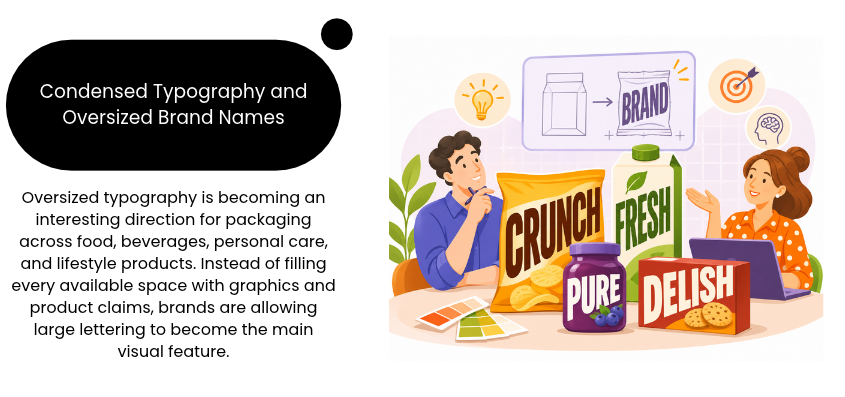
3. Condensed Typography and Oversized Brand Names
Sometimes, the simplest way to get noticed is to make the brand name impossible to miss.
Oversized typography is becoming an interesting direction for packaging across food, beverages, personal care, and lifestyle products. Instead of filling every available space with graphics and product claims, brands are allowing large lettering to become the main visual feature.
Imagine a new coffee pouch with its brand name printed across most of the front, or a skincare bottle using one distinctive typeface and a short product description. Your design doesn’t really need ten decorative elements to make an impression. It could be merely simple yet impactful!
Typography also helps build recognition across a product range. When customers see the same lettering style on different flavours, variants, or sizes, they can connect them to the same brand.
Of course, readability still matters. Product names, ingredients, usage instructions, and mandatory information should remain easy to find.
4. Minimalist Packaging With a Story Worth Remembering
Minimalist packaging isn’t disappearing. It is simply becoming more thoughtful.
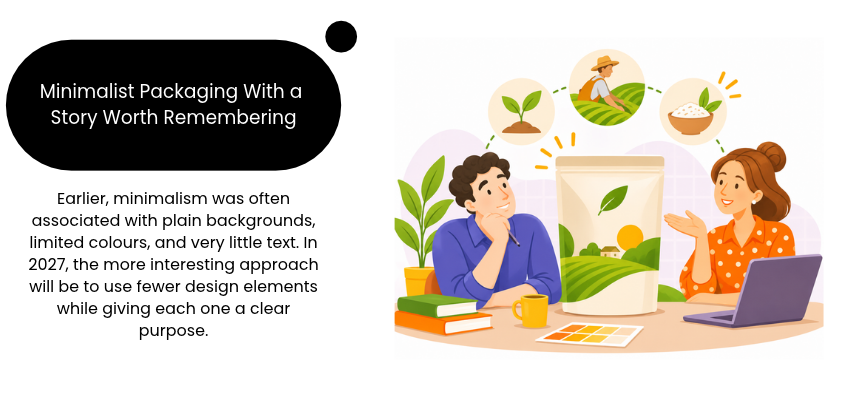
Earlier, minimalism was often associated with plain backgrounds, limited colours, and very little text. In 2027, the more interesting approach will be to use fewer design elements while giving each one a clear purpose.
A handmade chocolate brand, for instance, could use a restrained colour palette, a small illustration inspired by its ingredients, and a short note about where the cocoa comes from. A skincare brand might use clean typography and subtle graphics to communicate its formulation philosophy.
The key is not to remove information just to make the pack look clean. Customers still need to understand what the product is, what it does, and why they should consider buying it.
Minimalist packaging works best when the visual simplicity is supported by a meaningful brand story.
Use fewer elements, but make sure the ones you keep communicate something about the product, its quality, or the people behind it.
5. Tactile Packaging and Textured Finishes That Make People Want to Pick Up the Product
Packaging is usually designed to catch the eye, but what happens when a customer actually picks it up?
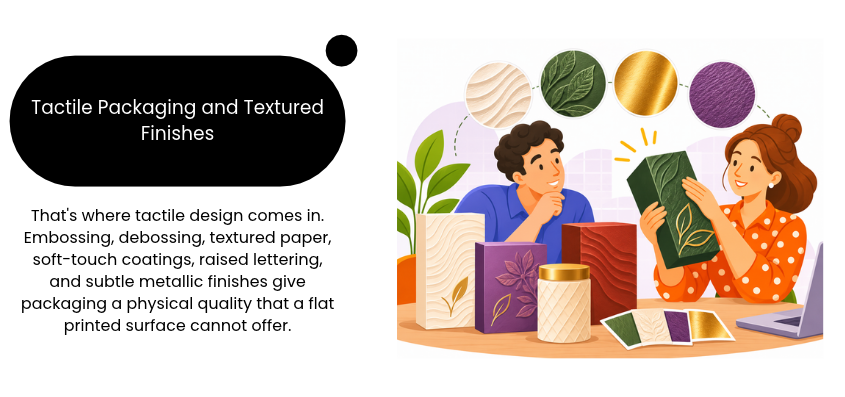
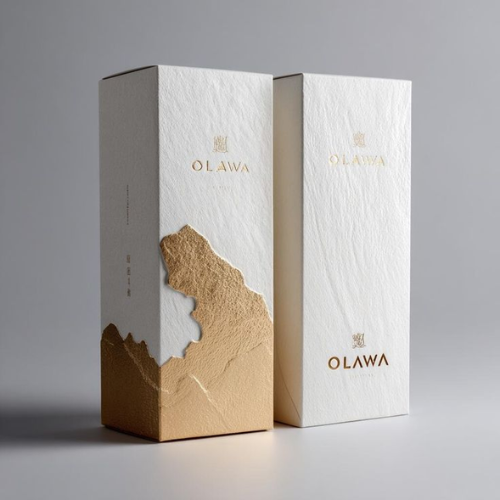
That’s where tactile design comes in. Embossing, debossing, textured paper, soft-touch coatings, raised lettering, and subtle metallic finishes give packaging a physical quality that a flat printed surface cannot offer.
This is particularly useful for products where perceived quality matters, such as perfumes, premium chocolates, cosmetics, jewellery, and gift packaging.
It’s time to consider a heritage trend that includes special textured finishes, embossed details, and packaging designed to feel more enduring.
However, adding a special finish to every surface can make your packaging unnecessarily expensive. Hence, a small embossed logo or a textured label may also work well in creating a stronger impression than covering the entire pack in decorative effects.
6. Hyper-Personalised Packaging That Makes Products Feel More Individual
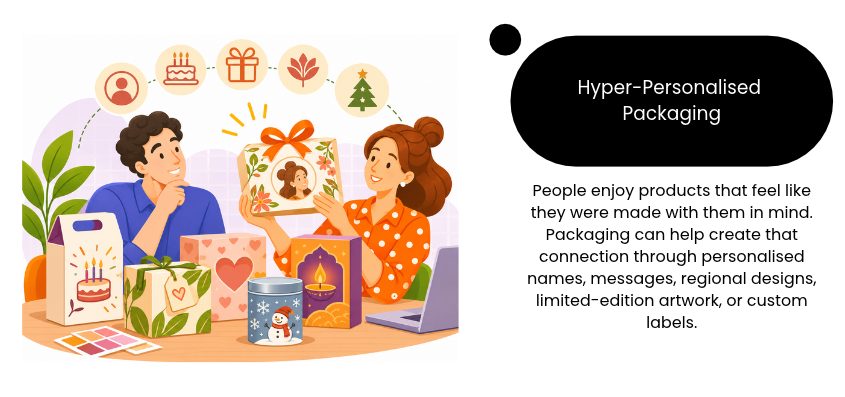
People enjoy products that feel like they were made with them in mind. Packaging can help create that connection through personalised names, messages, regional designs, limited-edition artwork, or custom labels.
Digital printing is making shorter production runs and variable designs more practical for certain packaging projects. This gives brands more room to experiment without necessarily producing one enormous batch of identical packs.
For example, a beverage company could introduce region-inspired labels for a festive campaign. A beauty brand might create special packaging for a product launch or offer customised gift boxes during the holiday season.
Personalisation doesn’t always need to involve printing an individual customer’s name. Sometimes, a design created for a particular city, festival, community, or occasion can make a product feel more relevant.
The practical side matters a lot, though. Brands truly need to consider production costs, artwork approvals, inventory management, and whether the customised packaging will still look consistent with the wider product range.
Personalised packaging can make campaigns feel more relevant and memorable, particularly when the design has a genuine connection with its intended audience.
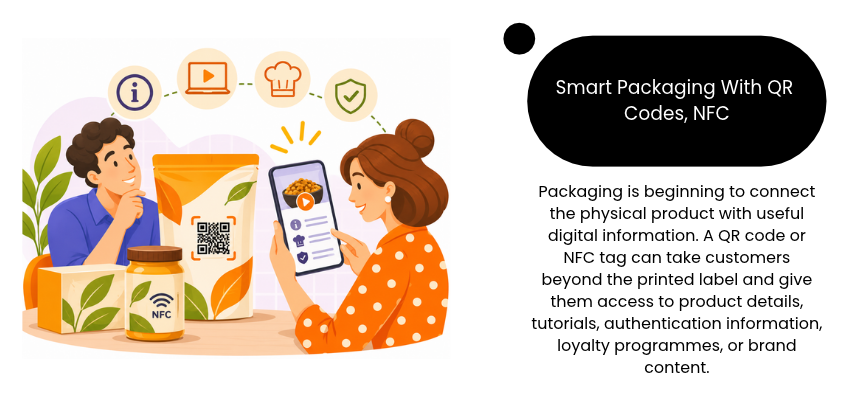
7. Smart Packaging With QR Codes, NFC and Interactive Digital Experiences
Packaging is beginning to connect the physical product with useful digital information. A QR code or NFC tag can take customers beyond the printed label and give them access to product details, tutorials, authentication information, loyalty programmes, or brand content.
Apparently, 66% of consumers would scan a QR code on food packaging to access information such as freshness, ingredients, and shelf life!
Consider a skincare bottle with a QR code that opens a page explaining how to use the product. A food package could link to ingredient details, sourcing information, or freshness information. A luxury product might use NFC technology to help customers verify authenticity.
This is more than a futuristic design idea. An excellent initiative is to prepare their point-of-sale systems to read next-generation 2D barcodes, including QR codes.
One thing brands should remember: a QR code needs to offer something worthwhile. Sending customers to a generic homepage isn’t much of an experience!
After all, smart packaging works best when the digital feature answers a real customer question or makes the product easier to understand, use, or authenticate.
8. Playful Illustrations, Pantone Fusion
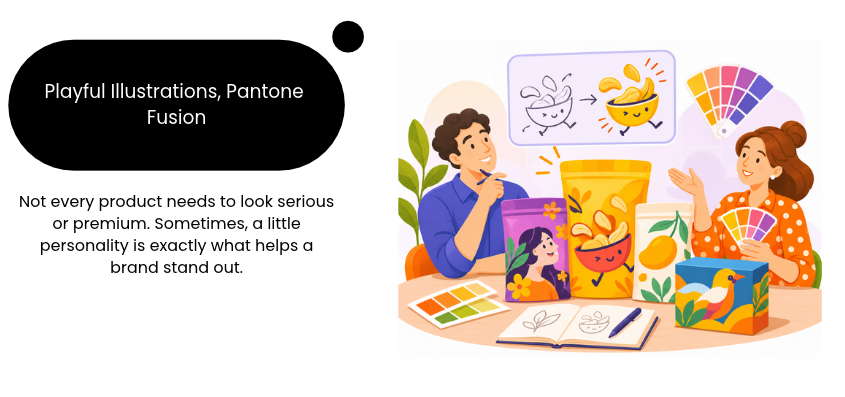
Not every product needs to look serious or premium. Sometimes, a little personality is exactly what helps a brand stand out.
Expect more expressive illustrations, unusual colour combinations, character-led graphics, retro references, and limited-edition designs that bring a sense of fun to everyday products.
This direction can work particularly well for snacks, beverages, confectionery, children’s products, and personal care. A juice brand could surely implement some lively fruit illustrations, while a snack company might create various collectable designs across different flavours to make it more interesting.
Playfulness should still always feel connected to the brand. A design that looks fun but confuses customers about the product or its quality may not do the job.
What this means for brands: Expressive packaging can make everyday products more recognisable and give customers something enjoyable to remember and share.
9. Quick Commerce Friendly Packaging
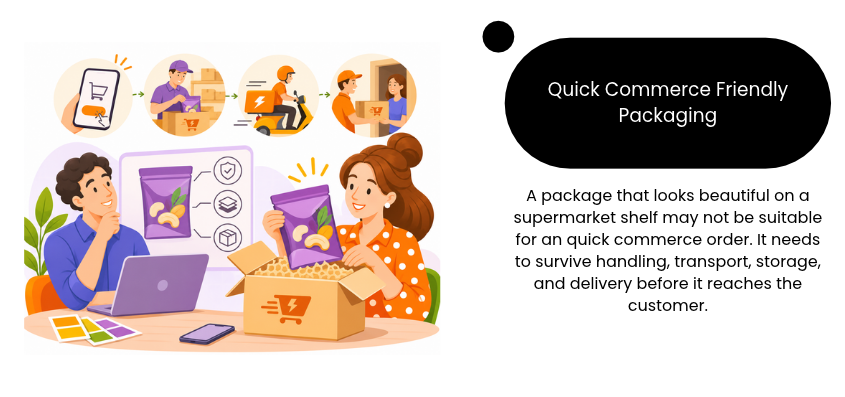
A package that looks beautiful on a supermarket shelf may not be suitable for an quick commerce order. It needs to survive handling, transport, storage, and delivery before it reaches the customer.
That’s why brands are paying even more attention to packaging that works across different shopping channels. This includes right-sized shipping boxes, protective inserts, flexible packaging formats, easy-open designs, and innovative packaging that can be stored and transported efficiently.
Most consumers use both digital and physical touchpoints during the same shopping journey.
For brands, this means packaging needs to do more than look good in a product photograph with big product name and highlighted product image. It should be easy to understand in 6 inch mobile screen, protect the product during delivery, fit fulfilment requirements, and still create a positive experience when the customer opens the parcel.
Thus, focus more on designing packaging around the complete customer journey, from the retail shelf or online listing to delivery and unboxing.
How Will These Packaging Trends Change Different Industries in 2027?
Not every trend will matter equally to every business. Your food brand may prioritise freshness, clear labelling, and recyclable materials, while another luxury beauty brand may focus more on bringing some creative tactile finishes, refillable formats, and premium presentation, isn’t it?
Here’s where some of these changes could have the greatest impact:
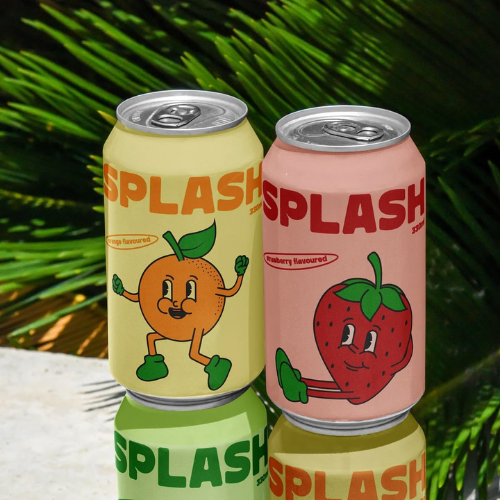
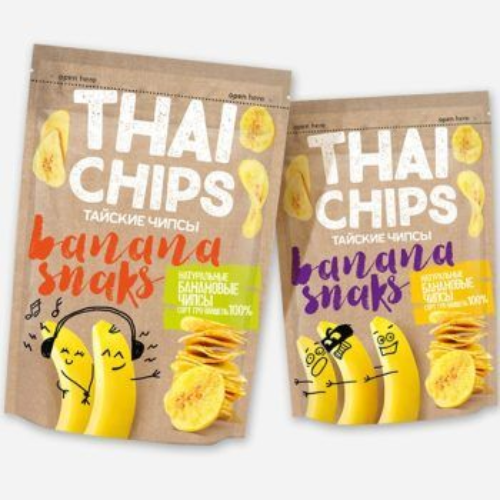
1. Food and beverages: Recyclable materials, smart labels, freshness information, playful graphics, and convenient formats are going to get even more popular here.
Source: https://in.pinterest.com/
Source: https://in.pinterest.com/
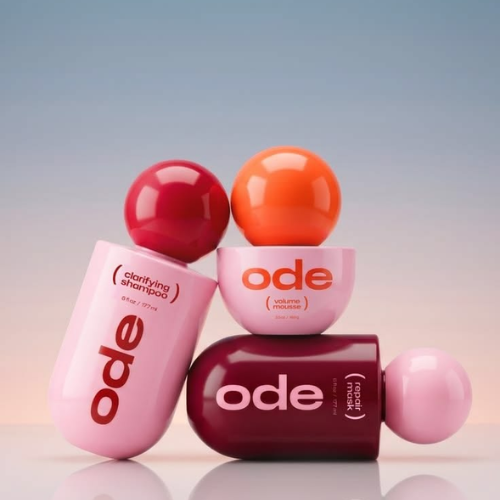
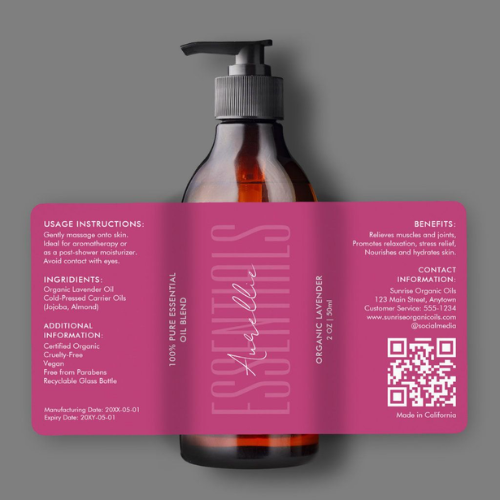
2. Beauty and personal care: Refillable containers, premium finishes, personalised packaging, and QR-led product guidance for absolute transparency and convenience.
Source: https://in.pinterest.com/
Source: https://in.pinterest.com/
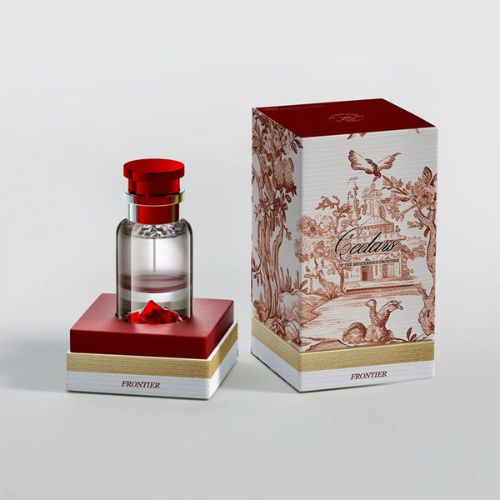
3. Luxury products: Textured surfaces, distinctive structures, limited editions, and authentication features to justify the price point and bring a more valuable feel to consumers.
Source: https://in.pinterest.com/
Source: https://in.pinterest.com/
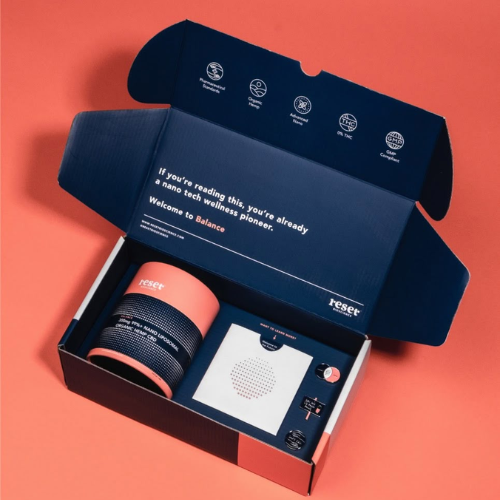
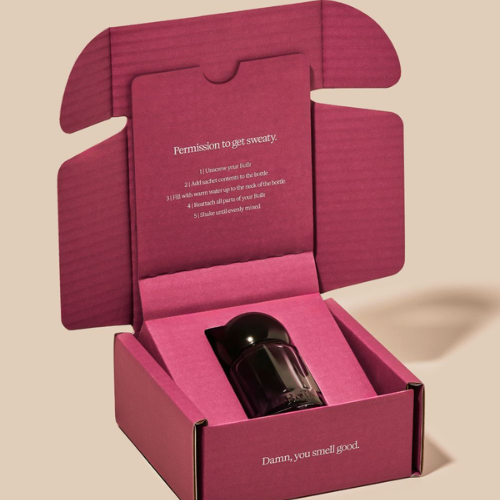
4. E-commerce brands: Inclusion of right-sized boxes, protective inserts, lighter materials, and memorable unboxing experiences will become exceptionally important.
Source: https://in.pinterest.com/
Source: https://in.pinterest.com/
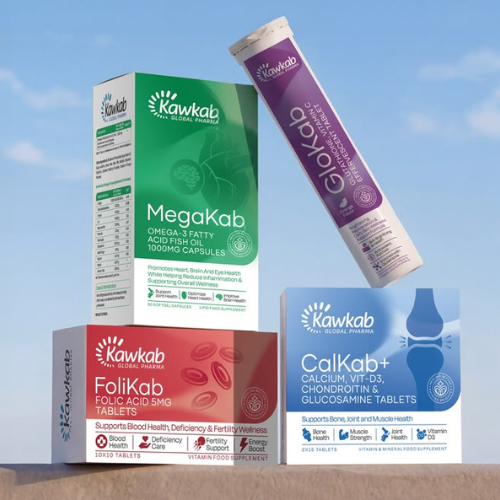
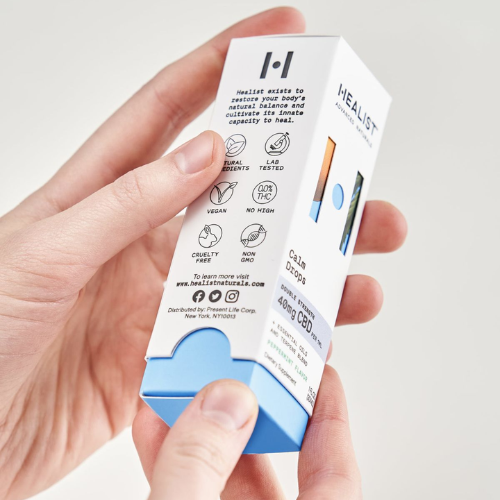
5. Healthcare and wellness: Clear information, traceability, accessible labelling, and packaging that protects product integrity and safety.
The common thread is that packaging needs to work harder without becoming unnecessarily complicated!
Source: https://in.pinterest.com/
Source: https://in.pinterest.com/
Wrapping It Up:
The packaging trends shaping 2027 aren’t just about making products look different. They’re about creating designs that are useful, recognisable, responsible, and enjoyable to interact with.
Some brands may benefit from smarter technology, while others may get better results from clearer typography, better material choices, or a more distinctive visual identity. Now the right direction ultimately depends on the product, the audience, and the market.
At DesignerPeople, we help brands turn these ideas into packaging that communicates clearly and stands out for the right reasons. From packaging strategy and visual identity to label design and complete packaging solutions, our team works to bring brand stories to life.
Planning a packaging refresh for 2027? Connect with DesignerPeople right now, and let’s create packaging your customers will notice, understand, and remember!
Author: Anush Malik

Being a strategist’s head and a long term visionary personality aims to achieve excellence in branding, packaging and digital marketing field. My 22 years of design experience and masters degree is my strength which keeps me motivated and keep me going positively. I have participated in extensive branding design conquests in India, USA, Australia and New Zealand with winning zeal. My objective is to encourage start-ups and hence involves actively in the articles which will act as a productive intake of knowledge for them. Do connect me personally via my LinkedIn and I love to share my expertise with you.