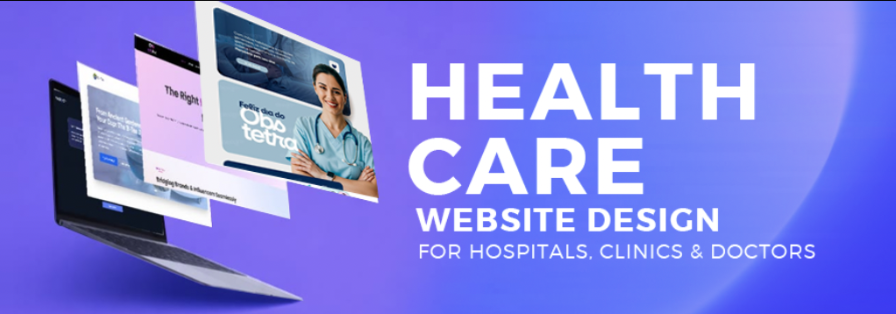

Years ago, finding a doctor usually started with a recommendation from a friend, a family member, or a nearby hospital.
Today, it starts with a mere Google search.
Whether someone is looking for a paediatrician for their child, a fertility specialist, a dentist, or a cardiologist, the first thing they often do is visit a website. Before they even call your clinic, before they book an appointment, and sometimes even before they decide whether to trust you, they’re already forming opinions based on what they see online.
In fact, 77% of patients look up information via search engines prior to booking.
The question is simple:
When a patient lands on your website, do they immediately feel confident they are in the right place?
Or do they leave and continue searching?
If you are looking for website design inspiration that not only looks professional but also helps build trust and increase appointments, this guide will give you countless ideas to explore and clear-cut strategies to get started.
Table of Contents
Why Patients Judge Your Healthcare Practice Long Before They Walk Through the Door
Patients don’t visit healthcare websites for entertainment.
They visit because they need reassurance.
Whether someone is searching for a paediatrician, cardiologist, fertility clinic, or diagnostic centre, they are often making decisions during important moments in their lives. That means your website needs to do much more than look attractive.
It needs to create confidence.
i) Build Trust Before the First Appointment
Healthcare decisions are built on trust.
Patients want to know:
1. Who will treat them?
2. What qualifications do the doctors have?
3. Is the facility reliable?
4. What do other patients say?
A professionally designed website helps answer these questions before a patient ever makes contact. For healthcare providers, that first impression matters even more.
ii) Make Doctors and Services Easier to Discover
Patients don’t want to dig through multiple pages looking for information.
A good healthcare website makes it easy to find:
1. Doctor profiles
2. Specializations
3. Treatment options
4. Consultation timings
5. Hospital departments
6. Locations
The easier information is to find, the easier it becomes for patients to take action.
iii) Generate Appointment Enquiries Around the Clock
Unlike reception desks, websites never close.
Patients often search for healthcare services outside business hours.
Whether it’s 11 PM or 6 AM, your website can continue generating:
1. Appointment requests
2. Consultation enquiries
3. Callback requests
4. Telemedicine bookings
A website becomes your most consistent patient acquisition channel.
iv) Help Patients Find Important Information Quickly
Healthcare websites should be designed to reduce stress. Not create more of it.
Patients visiting your website should immediately find:
1. Contact information
2. Emergency details
3. Doctor availability
4. Insurance information
5. Directions
6. Treatment details
Simple navigation can dramatically improve patient experience.
v) Improve Visibility in Local Search Results
Most healthcare searches have local intent.
People mostly search for:
1. “Dentist near me”
2. “Best orthopaedic doctor in Kolkata”
3. “Eye specialist nearby”
And more…
A properly optimised healthcare website improves local search visibility and helps patients discover your practice more easily.
Apparently, Google reports that searches containing “near me” continue to grow year after year, making local SEO one of the most important growth channels for healthcare providers.
vi) Meet Patients Where They Already Are: On Mobile
Patients are increasingly searching for healthcare information on smartphones.
From booking appointments to checking symptoms and finding directions, mobile devices have become the primary healthcare discovery tool.
A healthcare website that performs poorly on mobile can lose patients before they even explore your services.
Healthcare Website Design Ideas for Different Medical Businesses
Every healthcare business serves different patient needs.
That means every healthcare website should actually be designed differently too.
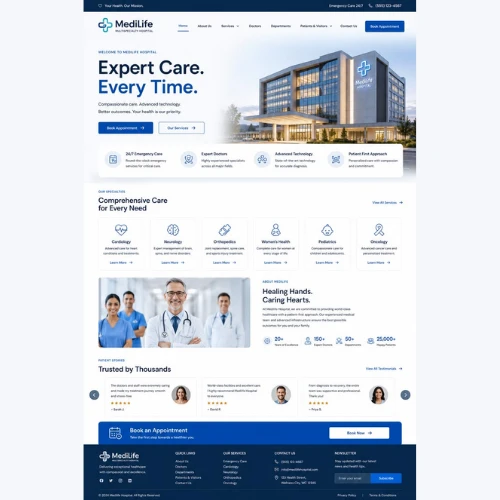
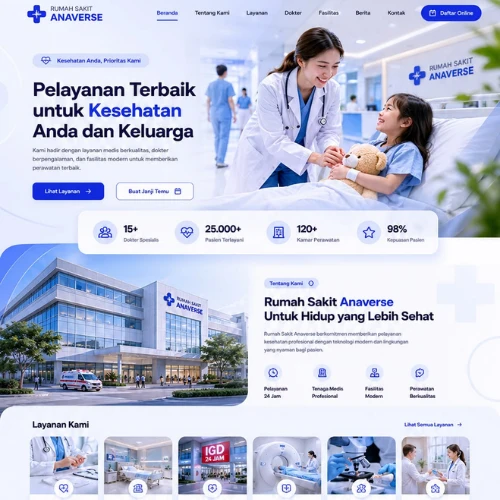
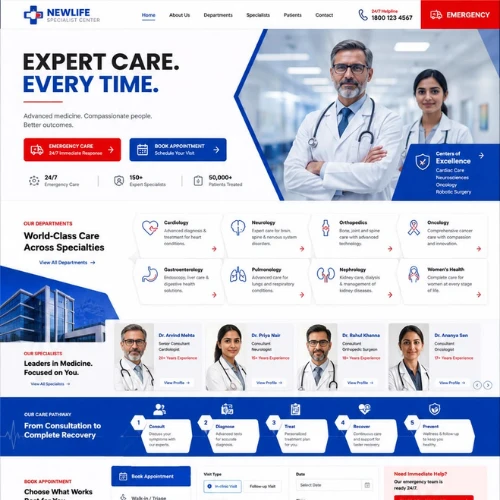
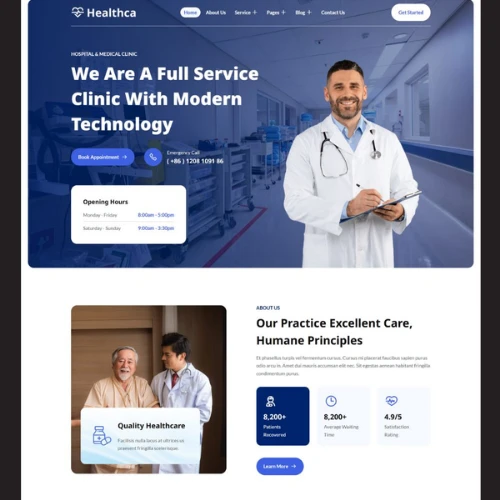
a) Hospital Websites: Confidence at Scale
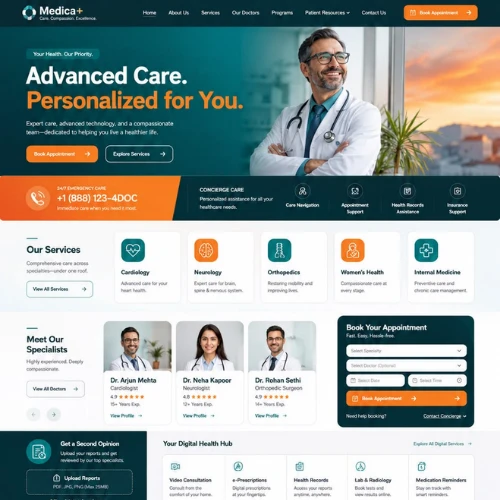
Hospital websites need to communicate credibility, expertise, and comprehensive care.
Key elements include:
1. Department navigation
2. Doctor directories
3. All possible emergency contact information
4. Patient resources
5. Online appointments
6. Location maps
7. Ease of appointments
Source: https://in.pinterest.com/
Source: https://in.pinterest.com/
Source: https://in.pinterest.com/
Source: https://in.pinterest.com
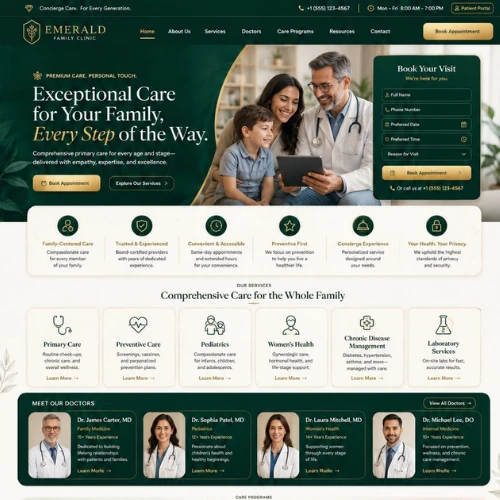
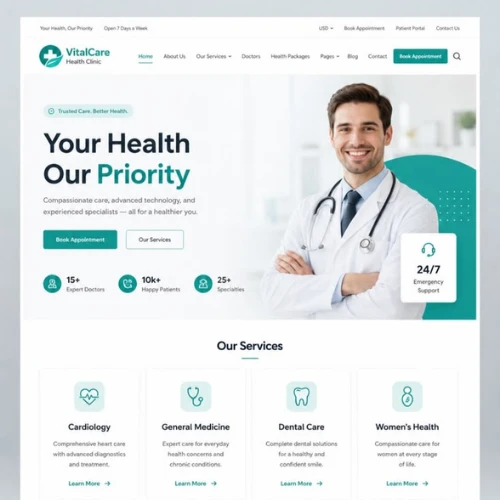
b) Clinic Websites: Personal and Accessible
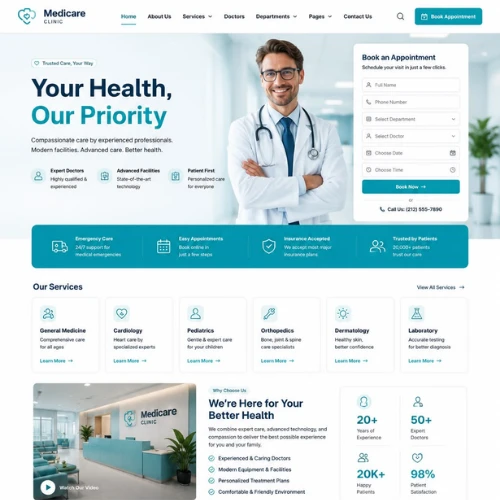
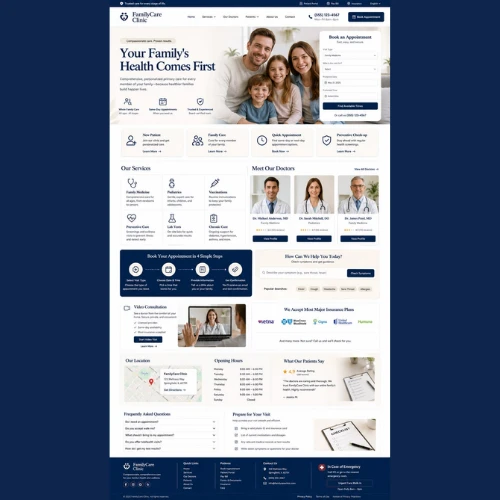
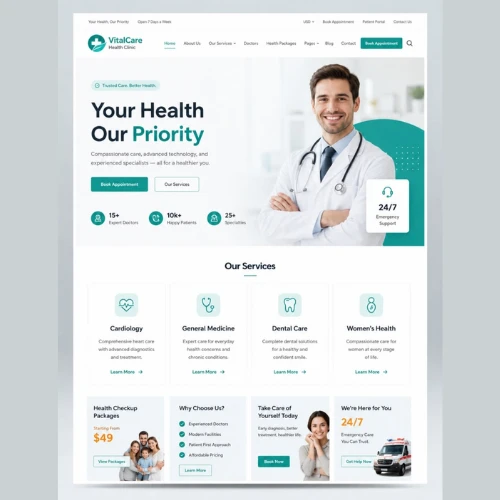
Clinic websites work best when they feel approachable.
Patients always want quick answers and clear next steps.
Focus on:
1. Doctor introductions
2. Services offered
3. Consultation booking
4. Patient testimonials
5. FAQs
The goal is absolute simplicity and accessibility here
Source: https://in.pinterest.com/
Source: https://in.pinterest.com/
Source: https://in.pinterest.com/
Source: https://in.pinterest.com
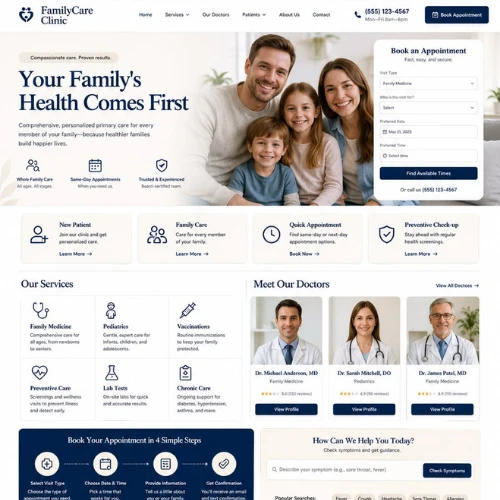
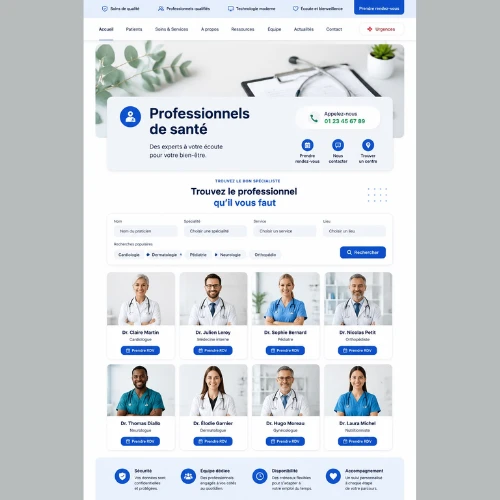
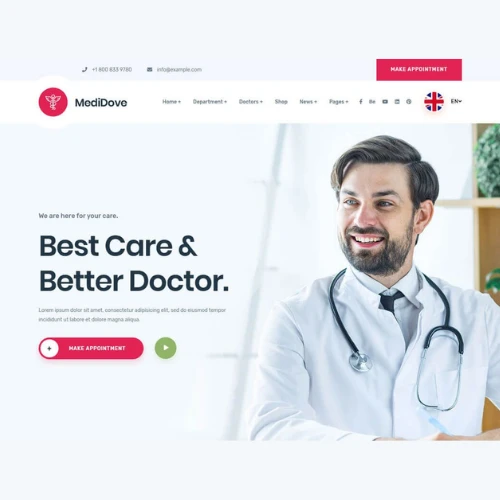
c) Doctor Websites: Let Expertise Shine
Patients often choose doctors based on trust and specialisation.
A doctor’s website should prominently feature:
1. Qualifications
2. Experience
3. Areas of expertise
4. Publications
5. Certifications
6. Patient reviews
Professional credibility should always be at the forefront here.
Source: https://in.pinterest.com/
Source: https://in.pinterest.com/
Source: https://in.pinterest.com/
Source: https://in.pinterest.com
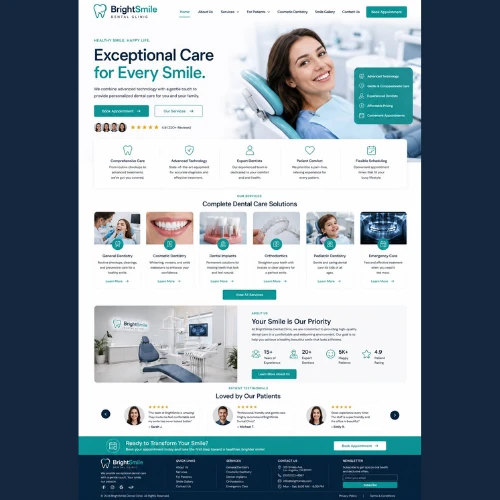
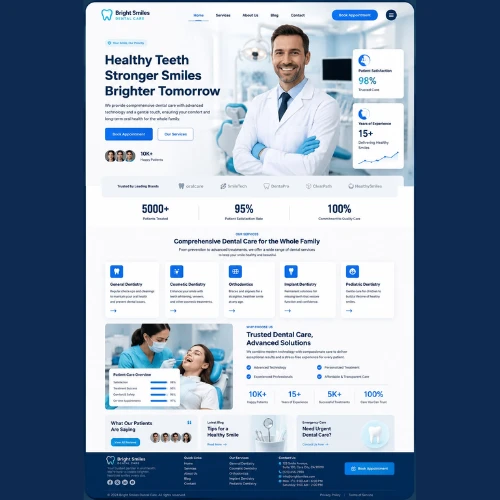
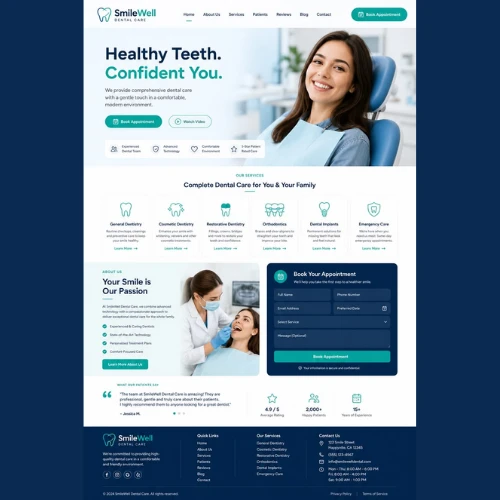
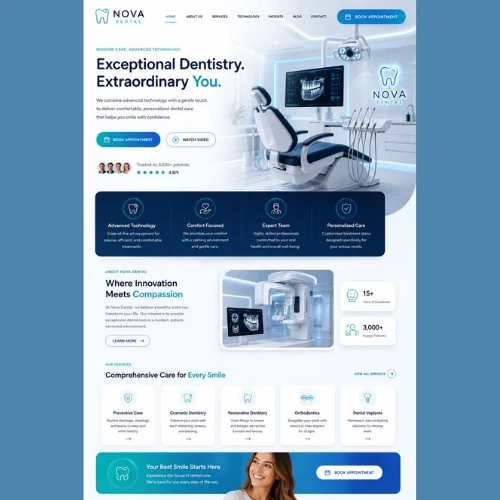
d) Dental Websites: Showcase Smiles and Results
Dental websites benefit greatly from visual proof.
Include:
1. Before-and-after galleries
2. Treatment explanations
3. Patient success stories
4. Smile makeovers
5. Cosmetic dentistry showcases
You can get creative here. Visual evidence builds the much-needed confidence within patients real quick.
Source: https://in.pinterest.com/
Source: https://in.pinterest.com/
Source: https://in.pinterest.com/
Source: https://in.pinterest.com
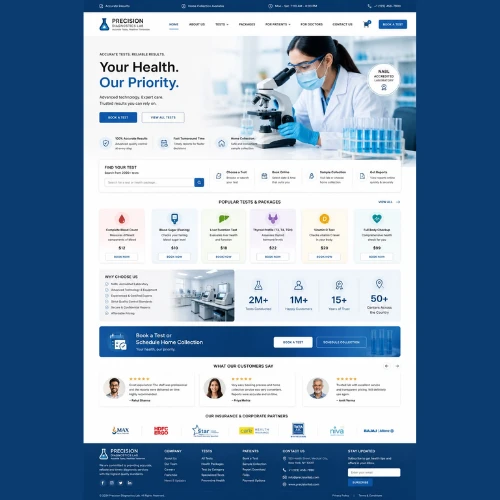
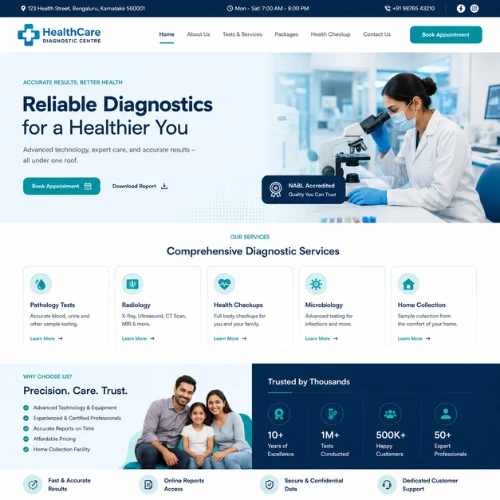
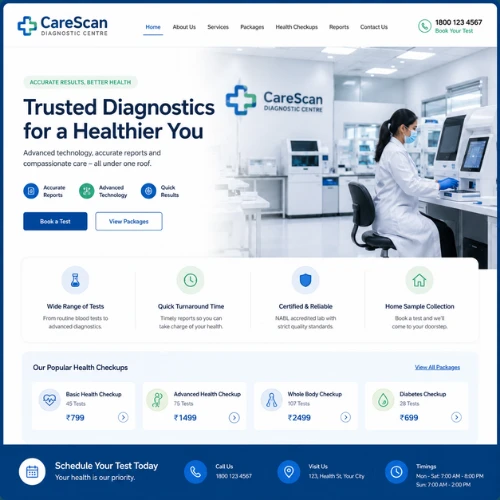
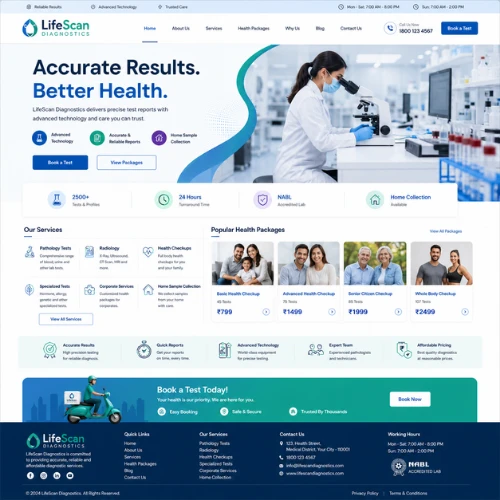
e) Diagnostic Centre Websites: Speed and Convenience Matter
Diagnostic patients primarily care more about efficiency and accuracy.
Include all the critical features:
1. Test listings
2. Home collection information
3. Report downloads
4. Booking forms
5. Turnaround times
Source: https://in.pinterest.com/
Source: https://in.pinterest.com/
Source: https://in.pinterest.com/
Source: https://in.pinterest.com
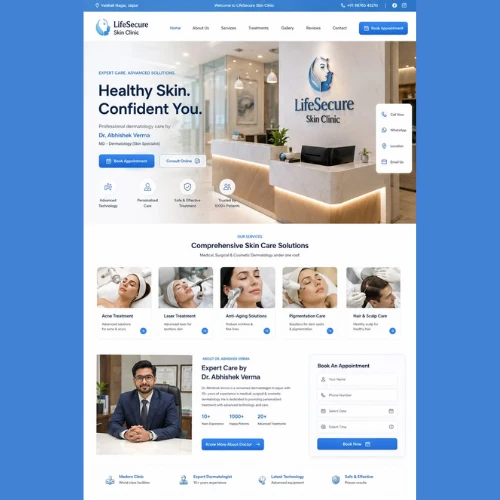
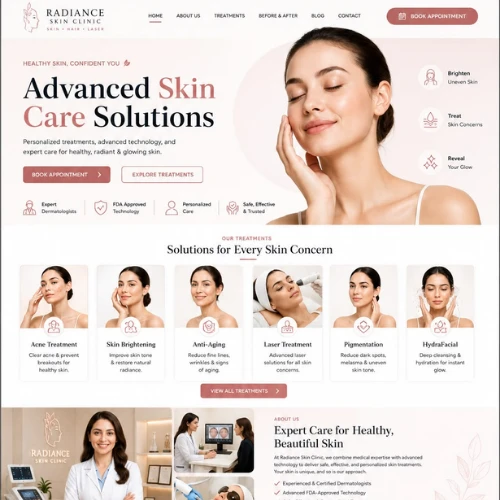
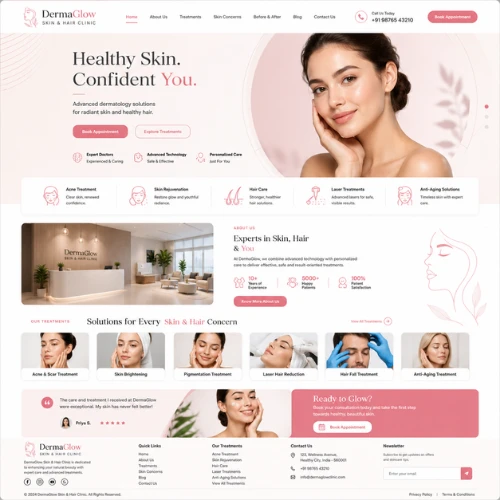
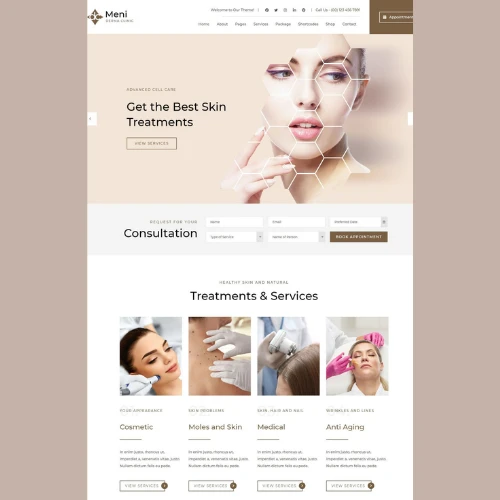
f) Dermatology Websites: Visual Trust Wins
Dermatology websites should leverage the best and high-quality imagery while maintaining professionalism.
Showcase:
1. Treatment categories
2. Skin concerns
3. Doctor expertise
4. Educational resources
Source: https://in.pinterest.com/
Source: https://in.pinterest.com/
Source: https://in.pinterest.com/
Source: https://in.pinterest.com
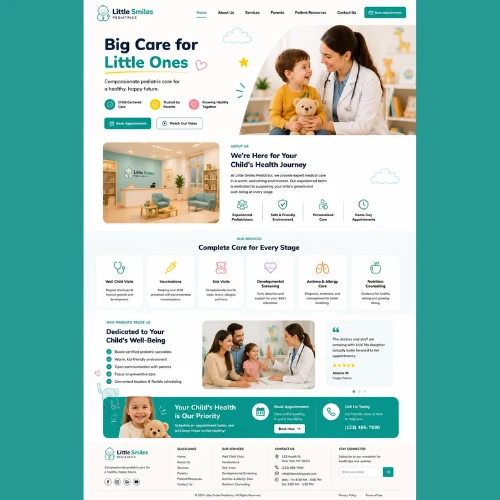
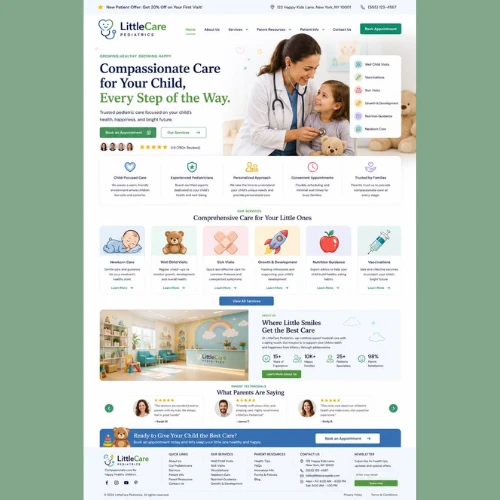
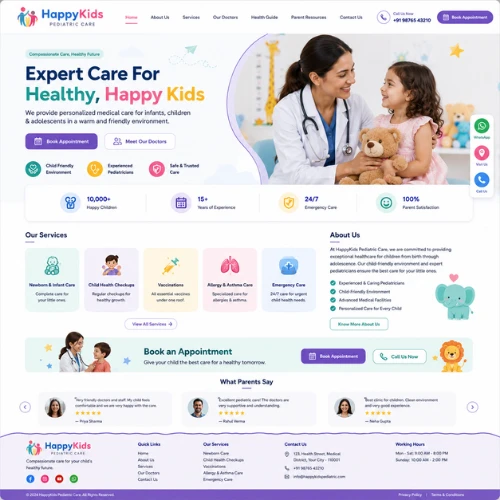
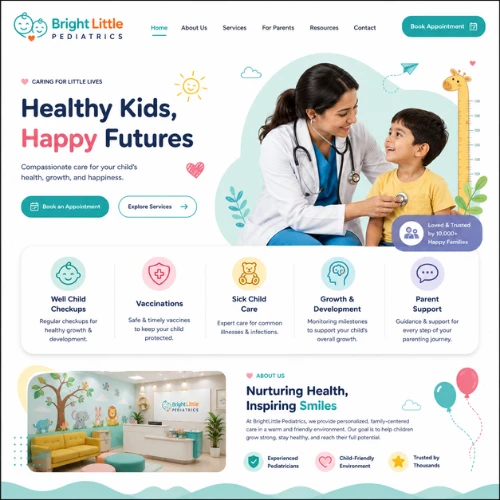
g) Pediatric Websites: Comfort Parents First
Parents always arrive anxious with their babies. They are always worried.
Include these in your design:
1. Friendly visuals
2. Fun and quirky designs
3. Child-focused messaging
4. Doctor credentials
5. Vaccination information
6. Development resources
The website should be focused on reassuring the parents rather than just clinical.
Source: https://in.pinterest.com/
Source: https://in.pinterest.com/
Source: https://in.pinterest.com/
Source: https://in.pinterest.com
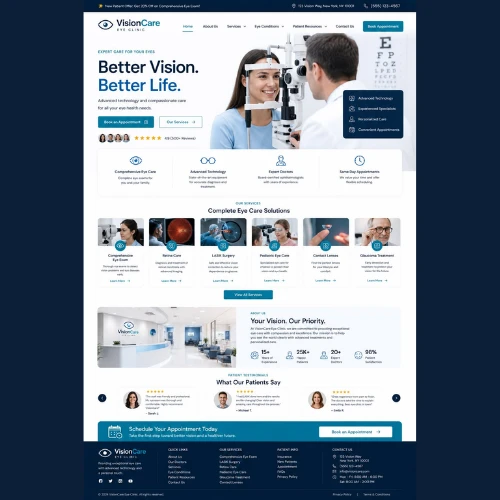
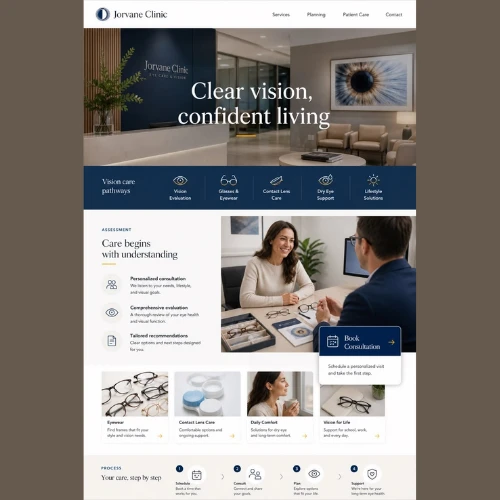
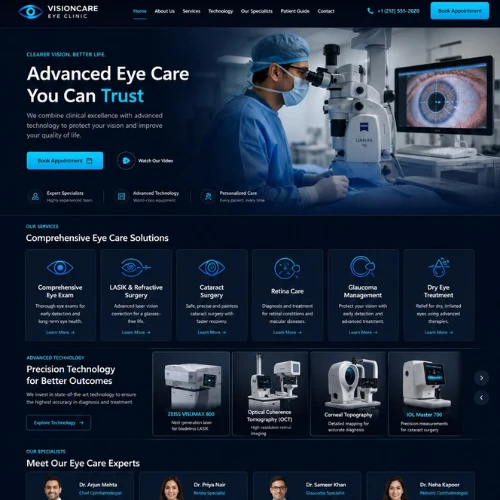
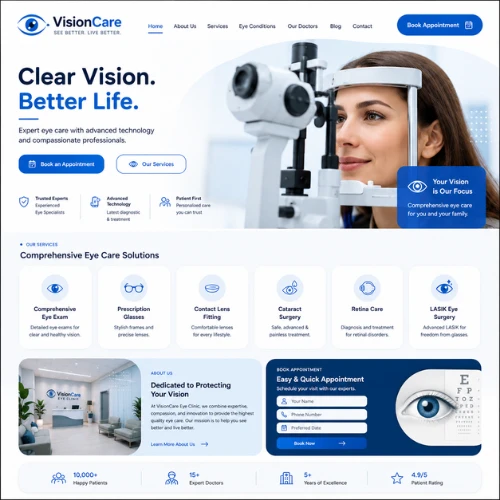
h) Eye Care Websites: Clarity Above Everything
Eye care websites should always prioritise readability and accessibility.
Key sections in your website should include:
1. Vision services
2. Eye conditions
3. LASIK information
4. Specialist profiles
Source: https://in.pinterest.com/
Source: https://in.pinterest.com/
Source: https://in.pinterest.com/
Source: https://in.pinterest.com
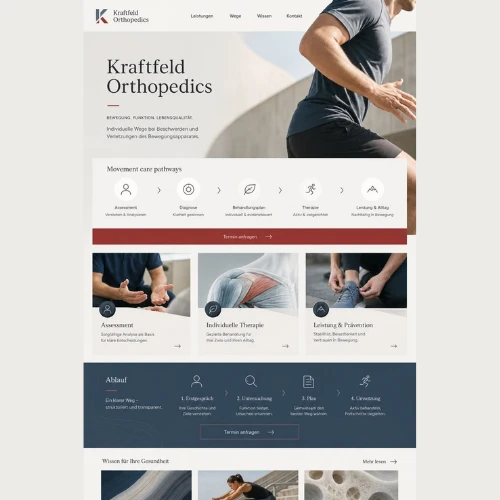
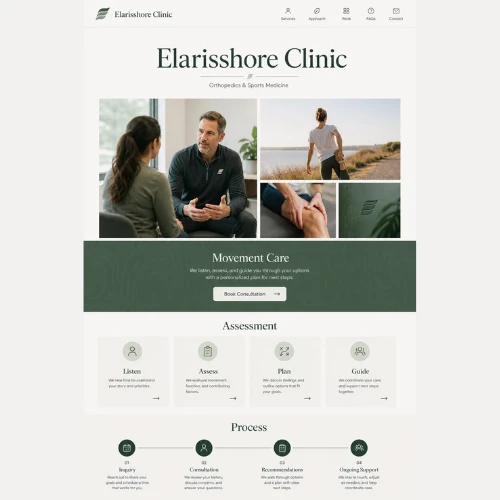
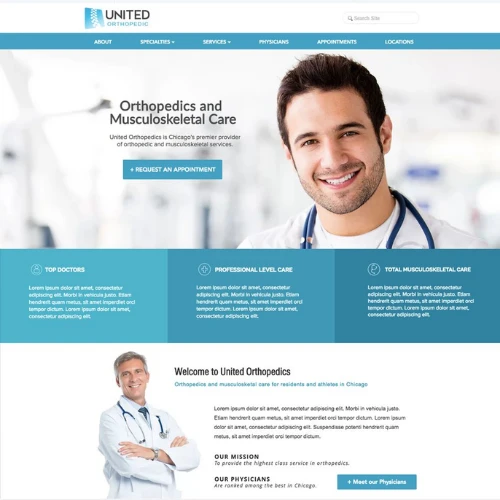
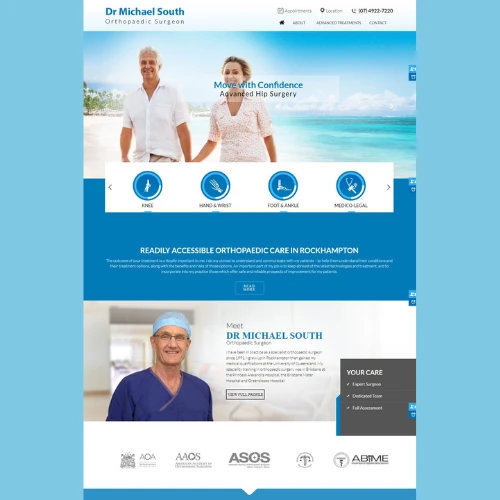
i) Orthopaedic Websites: Highlight Outcomes
Patients researching orthopaedic care are more keen towards confidence and security in results.
Focus more on:
1. Case studies
2. Recovery stories
3. Treatment pathways
4. Surgeon expertise
5. Rehabilitation services
Clear explanations help reduce any possible uncertainty.
Source: https://in.pinterest.com/
Source: https://in.pinterest.com/
Source: https://in.pinterest.com/
Source: https://in.pinterest.com
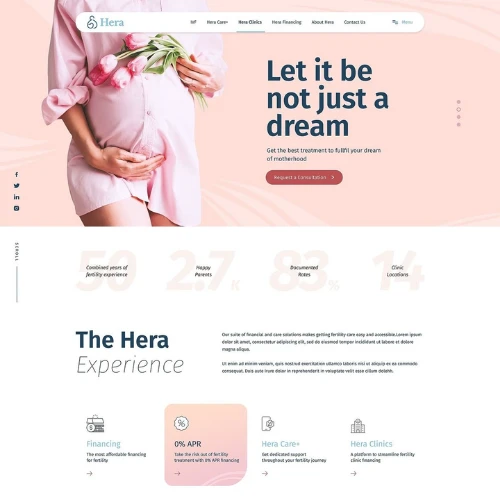
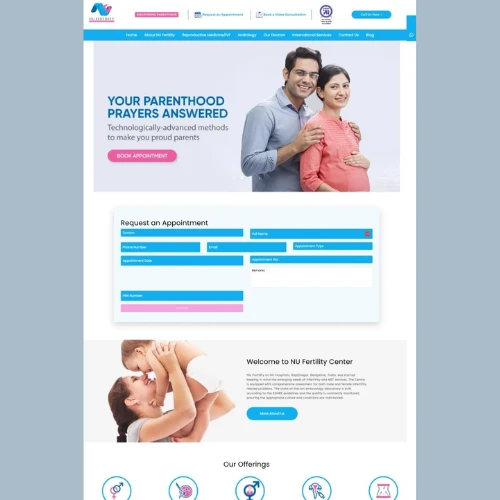
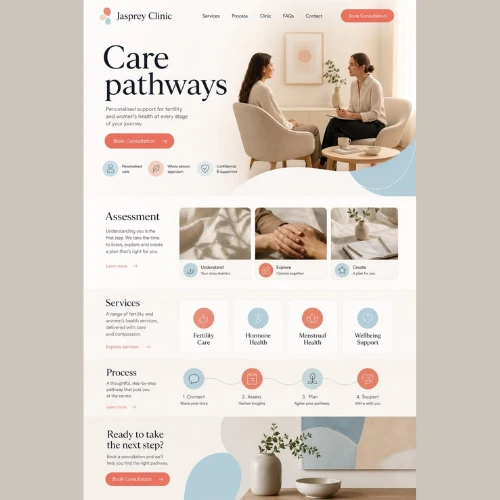
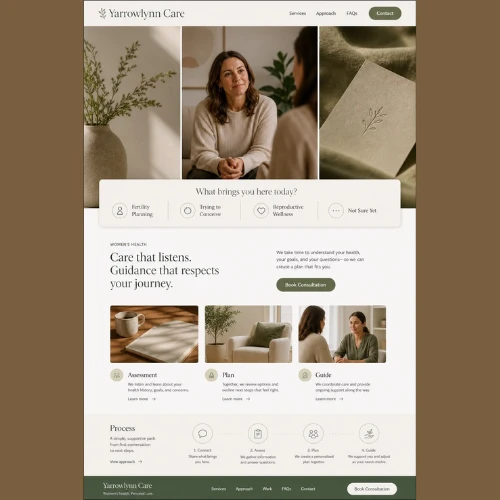
j) Fertility Clinic Websites: Sensitivity Matters
Fertility treatment is deeply personal and private. It is important to maintain the same tone on your website.
The best fertility websites focus mainly on:
1. Empathy
2. Privacy
3. Education
4. Patient journeys
5. Success stories
The tone should feel extremely supportive and hopeful.
Source: https://in.pinterest.com/
Source: https://in.pinterest.com/
Source: https://in.pinterest.com/
Source: https://in.pinterest.com
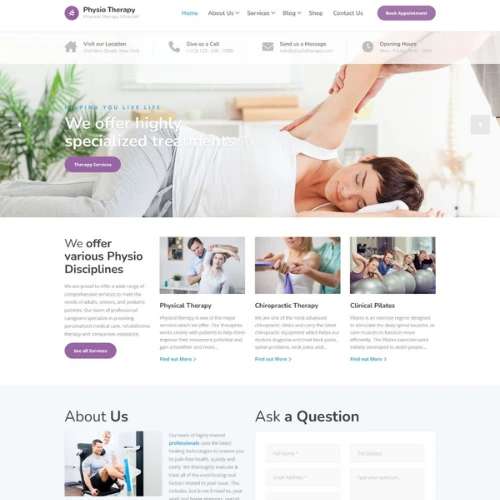
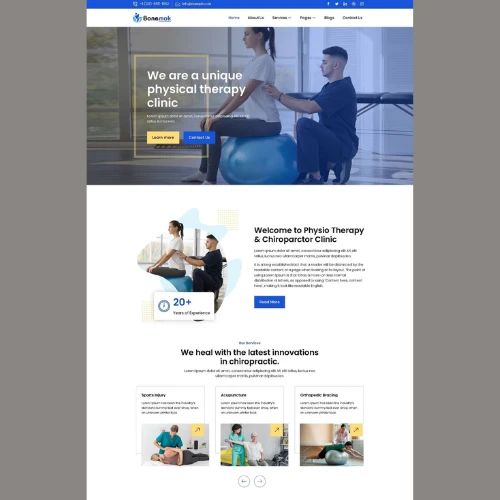
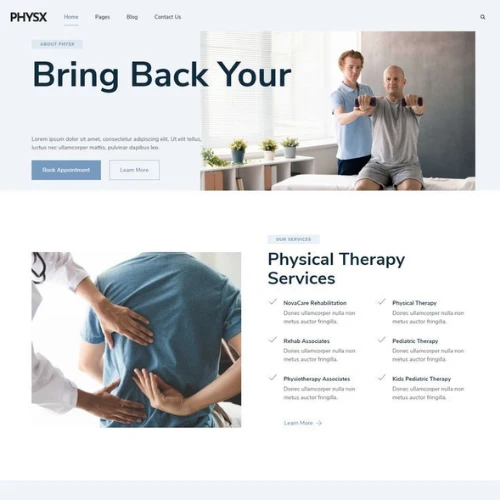
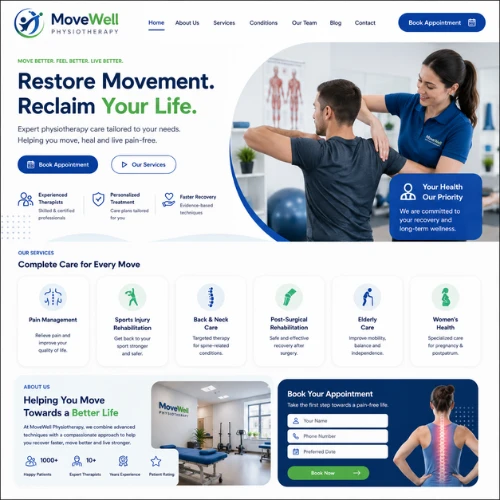
k) Physiotherapy Websites: Demonstrate Recovery
Physiotherapy websites benefit from showcasing progress.
Include:
1. Recovery stories
2. Treatment plans
3. Exercise resources
4. Practitioner expertise
Patients want solid proof that improvement is possible.
Source: https://in.pinterest.com/
Source: https://in.pinterest.com/
Source: https://in.pinterest.com/
Source: https://in.pinterest.com
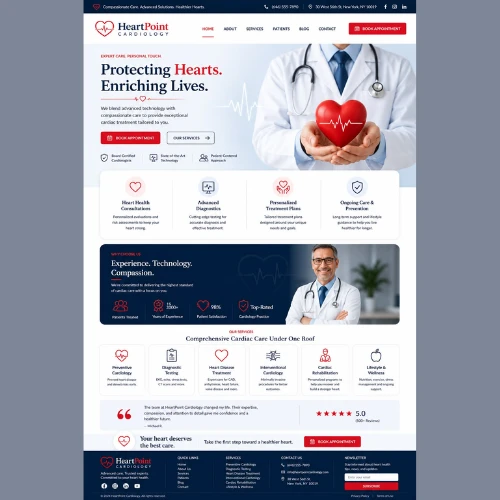
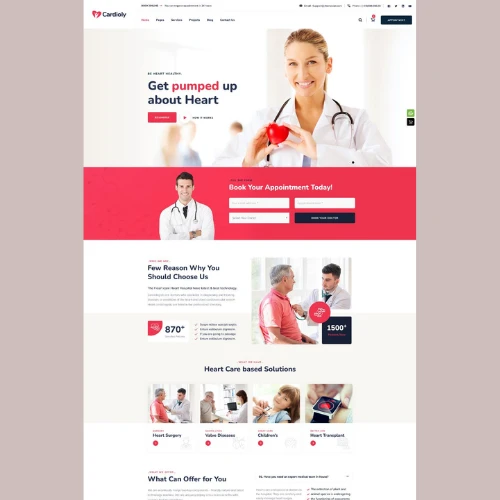
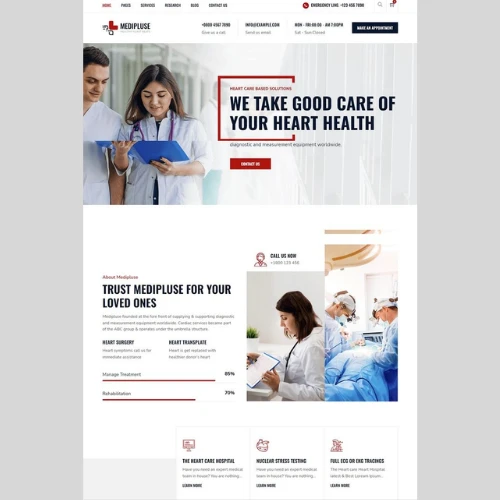
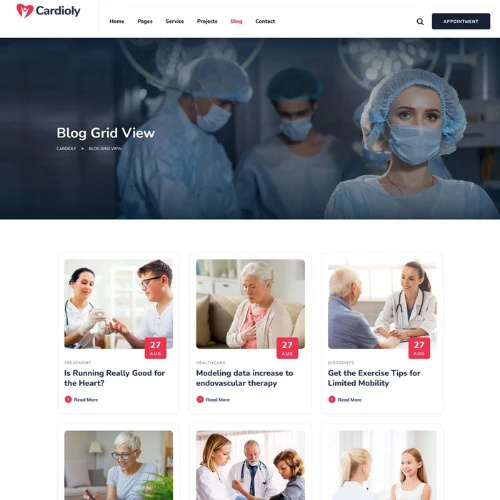
l) Cardiology Websites: Authority Builds Confidence
Cardiac patients often seek reassurance, trust and confidence. This domain is one of the most critical aspects of this industry.
Effective cardiology websites highlight:
1. Specialist credentials
2. Advanced technology
3. Treatment expertise
4. Emergency care information
Trust and authority should lead the design.
Source: https://in.pinterest.com/
Source: https://in.pinterest.com/
Source: https://in.pinterest.com/
Source: https://in.pinterest.com
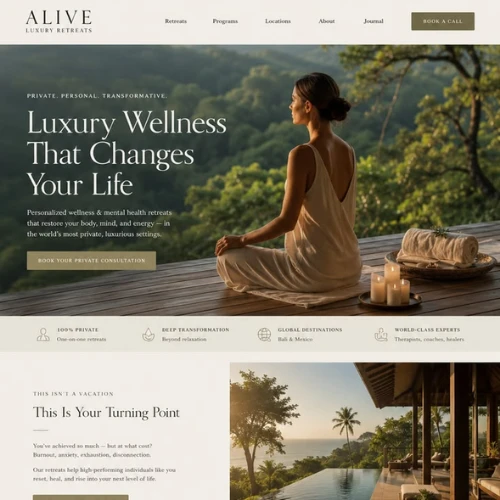
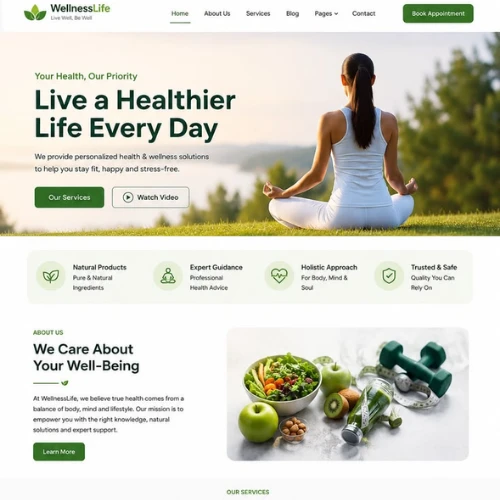
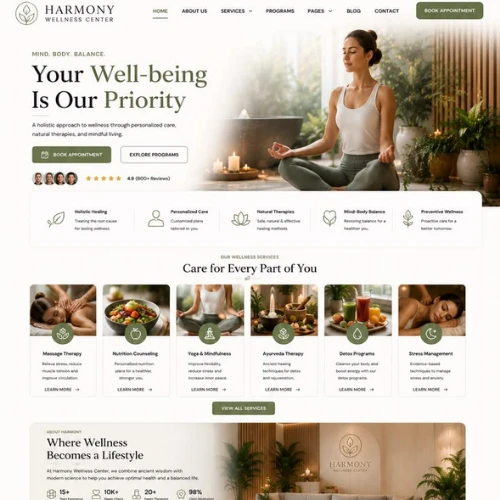
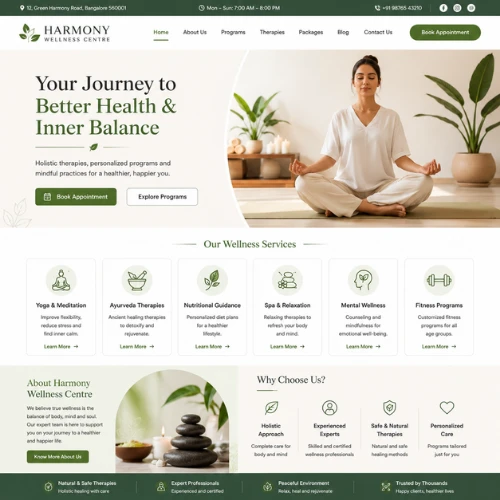
m) Wellness Centre Websites: Inspire Healthy Living
Wellness brands should create an experience rather than simply list services. It should look motivating and positive.
Focus more on:
1. Lifestyle content
2. Programs
3. Memberships
4. Transformational stories
Source: https://in.pinterest.com/
Source: https://in.pinterest.com/
Source: https://in.pinterest.com/
Source: https://in.pinterest.com
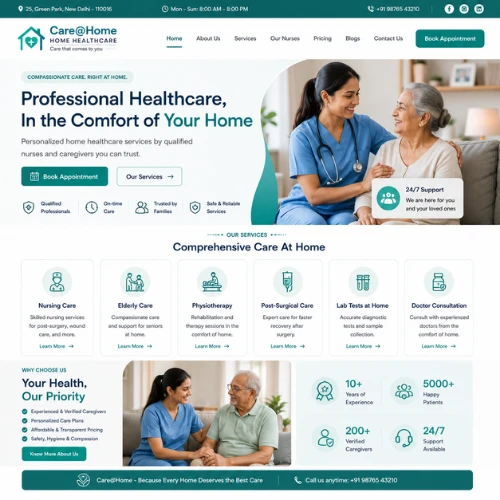
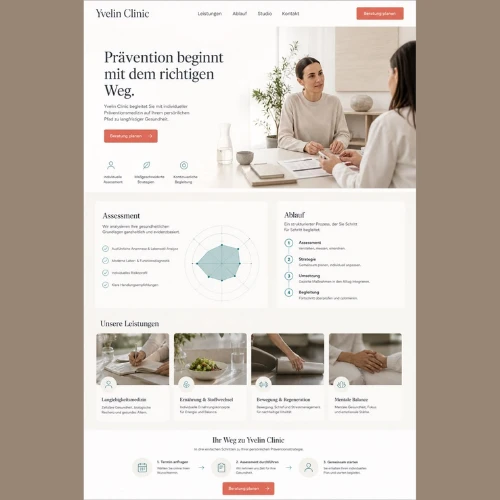
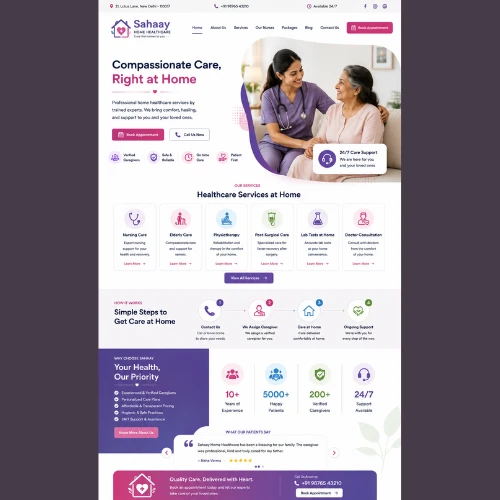
n) Home Healthcare Websites: Emphasise Convenience and Compassion
Patients considering home healthcare need convenience and reassurance.
Include all key information like:
1. Caregiver qualifications
2. Service coverage
3. Availability
4. Safety measures
Trust is the deciding factor.
Source: https://in.pinterest.com/
Source: https://in.pinterest.com/
Source: https://in.pinterest.com/
Source: https://in.pinterest.com
How to Design a Healthcare Website That Actually Makes Patients Feel Comfortable
A beautiful healthcare website isn’t enough here.
Patients need to feel guided, informed, and supported throughout their journey when scrolling through different hospital websites.
Here’s how to build that experience.
Step 1: Understand What Patients Are Really Looking For
Before designing anything, understand your potential patient concerns.
Ask questions like:
1. What information do patients need most?
2. What fears do they have?
3. What influences their decision-making?
Design should begin with patient needs, not visual trends.
Step 2: Learn from Competitor Healthcare Websites
Review local and national healthcare competitors.
Look at:
1. Navigation structures
2. Appointment systems
3. Doctor profile layouts
4. Content organization
The goal isn’t to copy.
It is to identify opportunities to improve.
Step 3: Map the Entire Patient Journey
Patients move through predictable stages:
1. Search
2. Research
3. Evaluation
4. Booking
5. Visit
Your website should support each stage seamlessly.
Every page should move patients closer to action.
Step 4: Organise Before You Design
One of the biggest mistakes healthcare providers usually make is jumping directly into visuals.
Start with:
1. Sitemap planning
2. User flows
3. Content hierarchy
4. Navigation structure
Good organisation creates good user experiences.
Step 5: Design for Simplicity and Reassurance
Healthcare websites don’t need flashy effects.
Patients typically prefer:
1. Clean layouts
2. Readable typography
3. Clear navigation
4. Professional photography
5. Consistent branding
6. Quick-to-open webpages
The design should be completely targeted to reduce anxiety, not increase it.
Step 6: Remove Friction from Appointment Booking
If booking an appointment feels complicated on your website, your potential patients may leave right away and book somewhere else.
A good booking experience should:
1. Require minimal steps
2. Work on mobile
3. Display availability clearly
4. Provide confirmation instantly
The easier the process, the higher the conversion rate.
Step 7: Prioritise Mobile Performance
More patients are researching healthcare providers on smartphones than ever before.
Healthcare websites must:
1. Load quickly
2. Display correctly on all screens
3. Keep forms mobile-friendly
4. Support click-to-call functionality
Mobile usability directly impacts your patient acquisition rates.
Step 8: Build for SEO, AEO, and GEO from Day One
Today’s healthcare websites need to serve both humans and search engines.
SEO helps patients find your website.
AEO (Answer Engine Optimisation) helps search engines and AI assistants understand your expertise.
GEO (Generative Engine Optimisation) helps various types of AI-powered platforms reference your content when answering healthcare-related queries.
To improve visibility:
1. Answer common patient questions directly
2. Use clear headings
3. Create detailed service pages
4. Publish primarily expert-driven content
5. Include structured information throughout the content
6. Improve the readability
The clearer your information gets, the easier it becomes for search engines and AI systems to trust and reference it.
Conclusion
Healthcare websites are no longer optional marketing assets. They are often the first point of contact between patients and providers.
A well-designed healthcare website builds long-term trust, simplifies decision-making, improves patient experience, and supports sustainable practice growth. And that’s exactly what our team at DesignerPeople specifically targets from day 1. Our expert designers ensure that patients feel informed, reassured, and confident from the very first click on your website.
We create healthcare websites that combine patient-focused design, strong usability, SEO visibility, medical credibility, and strategic branding. So if you are looking to build a healthcare website that patients trust, strengthens your brand identity, and search engines love, our team can help you create a digital experience that truly supports your healthcare brand and turns it into a global favourite.

Being a strategist’s head and a long term visionary personality aims to achieve excellence in branding, packaging and digital marketing field. My 22 years of design experience and masters degree is my strength which keeps me motivated and keep me going positively. I have participated in extensive branding design conquests in India, USA, Australia and New Zealand with winning zeal. My objective is to encourage start-ups and hence involves actively in the articles which will act as a productive intake of knowledge for them. Do connect me personally via my LinkedIn and I love to share my expertise with you.