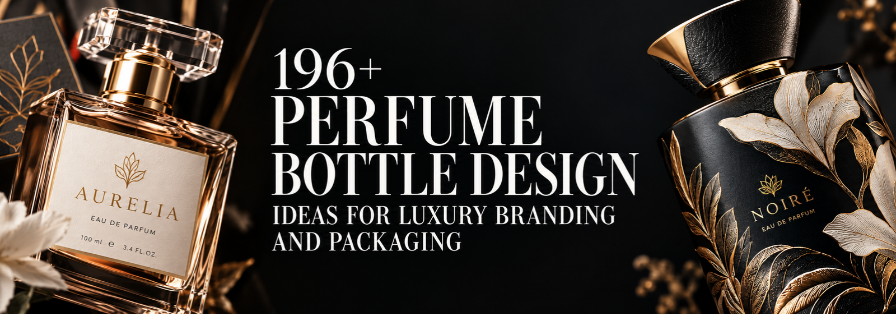

What made you buy the last perfume bottle that you found beautiful? Was it the shape, the colour, the heavy glass, or that little detail on the cap? Sometimes, it’s difficult to explain exactly why a bottle stands out. You just know it looks different from everything around it.
That’s what makes fragrance packaging such an interesting design project. The bottle has to represent a scent that customers haven’t even smelled yet. It needs to give them a sense of the fragrance, look appealing on a dressing table, and feel good to hold. For luxury brands, there’s also the challenge of making the packaging distinctive without turning it into an expensive object that is difficult to manufacture or use.
Apparently, 72% of consumers state that a product’s packaging design directly influences their purchasing decisions.
From unusual glass silhouettes to jewel-like caps and refillable designs, the following perfume bottle design ideas explore different ways to give a fragrance its own identity. Whether you are developing a new perfume or refreshing an existing range, use these stunning 196+ perfume bottle design ideas to find a direction that fits your brand rather than simply following a trend.
Table of Contents
What Makes a Perfume Bottle Look Expensive Without Trying Too Hard?
Luxury packaging doesn’t always need gold, oversized caps, or thick glass. Often, it is the way a few design elements work together that makes a bottle feel special.
i) The Shape: Something People Can Recognise
A square bottle with sharp edges feels different from a rounded flacon, even before you add a label. Unusual shoulders, an asymmetrical body, or a distinctive base can help a perfume become recognisable from a distance. The aim isn’t to make the strangest bottle possible. It is to give the brand a shape people can remember.
ii) The Material: Glass, Metal and Texture
Glass is a favourite for fragrance packaging because it can be moulded into many shapes and finished in different ways. Clear glass lets the colour of the liquid show through, while frosting and coloured coatings create a more mysterious look. Metal details, textured surfaces, and carefully chosen decorative materials can add interest, but each one should have a reason to be there.
iii) The Branding: More Than a Logo on the Front
The bottle, typography, cap, and label design should feel as though they belong to the same brand. A perfume inspired by traditional perfumery might call for classic lettering and a familiar silhouette. A contemporary fragrance label could take a more experimental approach. Consistency is what makes the design feel intentional.
iv) The Colours: Give the Fragrance a Visual Personality
Colours are the best way to ignite the right mood of a perfume before anyone tries it. Amber and burgundy can feel warm and rich; pale green may suggest freshness; black can create a more dramatic look. These are just some associations, not fixed rules. The fragrance itself and the people you are selling it to should guide the final choice.
v) The Finishing Touches: Caps, Coatings and Little Details
A cap can change the entire character of a bottle. It might be a simple cylinder, a sculpted flower, a polished metal form, or a contrasting block of colour. Engraving, lacquer, frosting, and metallic printing can also help.
The important thing is knowing when to stop. If every surface has a different finish, the design can quickly become busy.
vi) The Unboxing Experience: Don’t Forget the Box
For a gift or a premium fragrance, opening the package is a major aspect of receiving the product. From a fitted insert, a well-made carton, to a cap that sits securely can make the entire experience feel so extraordinary!
The box also has a practical job: protecting the glass from knocks during transport. Looking good and arriving in one piece should go hand in hand!
Stoelzle’s work on the Dries Van Noten fragrance collection shows how far these details can go.
The manufacturer developed ten bottle variations using different decorations and materials, including wood, metal, porcelain, and resin. The bottles were also designed to be refillable. An excellent example of how material, decoration, and function can come together in one design.
How to Design a Perfume Bottle That Suits the Brand and the Business?
A design can look brilliant in a presentation and still cause problems once production begins. Before approving a bottle, think about how it will be made, filled, shipped, displayed, and used.
1. Work Out What the Brand Wants to Say
Always start with the fragrance and its audience. They are the real deal.
Is your scent light and fresh, deep and woody, playful, romantic, or deliberately unconventional? The bottle should eventually support that personality. You don’t need to make every floral perfume pink or every men’s fragrance black. But you do need a clear reason for the visual direction you choose.
2. Give the Design a Recognisable Feature
Ask yourself what someone would remember if the logo were covered. It could be the outline of the perfume bottle, a distinctive cap, an unusual shoulder, or simply a classy combination of colours. That feature can become part of the brand’s identity across advertising, retail displays, and online product images.
3. Choose a Shape That Makes Sense for the Story
Rounded shapes, angular silhouettes, tall bottles, and even compact flacons all create different impressions. For example, a sculptural bottle might suit a niche fragrance, while a simpler shape works better for a clean, understated brand. Also, if you go creative here, you might as well create something unique that may make your perfume go viral?
4. Check the Manufacturing Requirements Early
Custom shapes may require new moulds, specialised tooling, or even extra decoration steps. Now these decisions actually affect cost, production time, and the consistency of the finished bottles. Ensure that you have all the manufacturing requirements cleared and clarified upfront.
5. Make Sure the Bottle Feels Right in the Hand
Weight alone doesn’t really make a bottle pleasant to use. The shape should always be comfortable to grip, the base should sit securely on a flat surface, and the cap should come off without a struggle. The sprayer should always deliver a consistent mist. Often overlooked but very crucial!
6. Use Finishes Carefully
Starting from frosted glass, coloured lacquer, engraving, screen printing, to small metallic details. All have different vibes in perfumes. Always choose finishes that actually help the bottle stand apart or reinforce the brand’s identity. Then test them on some physical samples for better insights. Remember. Colours and textures can often look different in real life than they do in a digital mock-up.
7. Keep Different Fragrances in the Same Family
A perfume collection can include several scents without looking like several unrelated brands. You might use the same bottle shape across the range and change the colour, label, or even the cap for each fragrance. Now this gives every scent its own identity while helping customers recognise the entire collection.
8. Design the Bottle and Carton Together
Never really finish the perfume bottle first and leave the box for the end. The final dimensions, colours, finishes, and visual hierarchy should always be planned together for better convenience. Remember. The carton needs to fit the product properly, protect it during shipping, and give the customer the right information without competing with the bottle.
9. Consider What Happens After the Perfume Is Finished
Refillable bottles are worth exploring if they suit the product and the way customers will use it. But a refillable design needs more than a refill symbol on the carton. The opening mechanism, pump, refill format, and availability of replacement fragrance all matter. Also consider the weight of the glass, the number of separate materials, and what can realistically be reused or recycled in your target market.
Perfume Bottle Design vs Perfume Packaging Design: Are They the Same?
Not quite.
Perfume bottle design deals more with the container itself, including its shape, glass, cap, sprayer, colour, and overall decoration. However, perfume packaging design covers the wider presentation here. It includes the entire bottle, label, outer carton, protective insert, gift box, and refill format, where applicable!
The bottle is the centrepiece, but the complete packaging determines how the product is protected, presented, opened, and stored. Both should be planned together.
Here we have listed a collection of unique perfume bottle design ideas to Inspire Your Luxury Brand.
As you browse, look beyond the first impression. Notice how the silhouette works with the cap, whether the label is easy to read, and how the colour changes the mood of the same basic shape.
You may find inspiration in several directions:
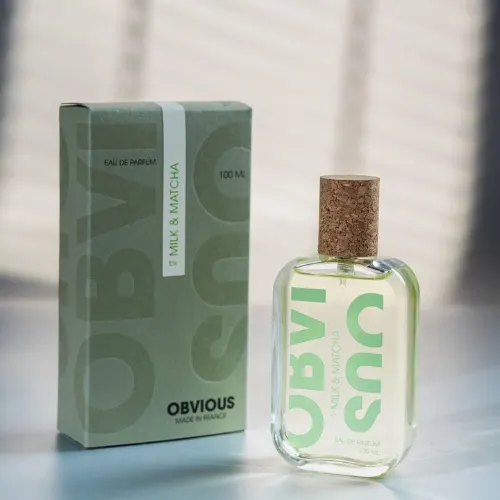
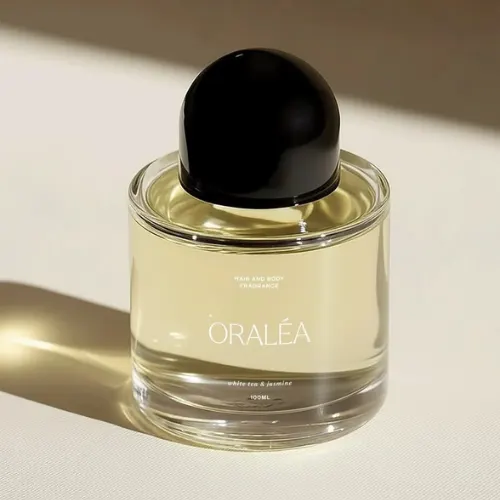
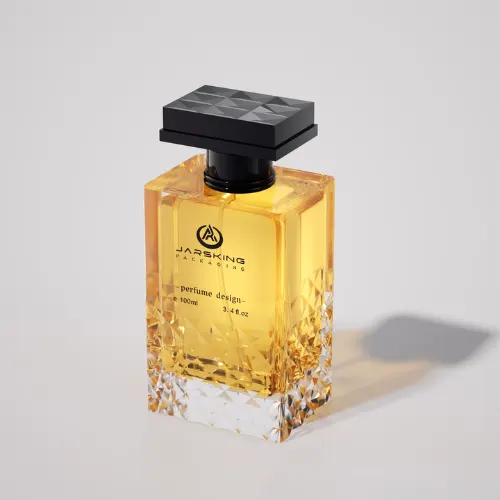
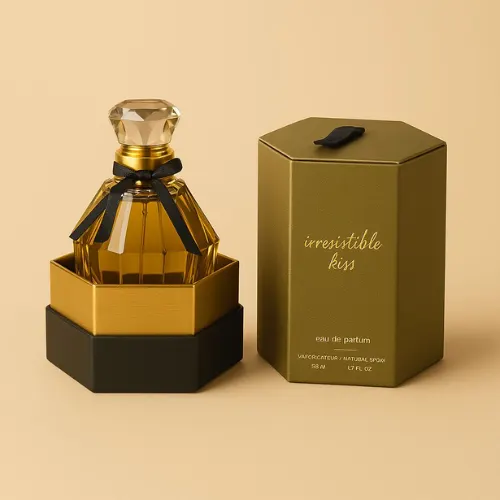
a) Minimalist bottles
Clean glass designs with simple and minimal lettering and understated caps for brands that prefer restraint, simplicity and absolute class!
Source: https://in.pinterest.com/
Source: https://in.pinterest.com/
Source: https://in.pinterest.com/
Source: https://in.pinterest.com
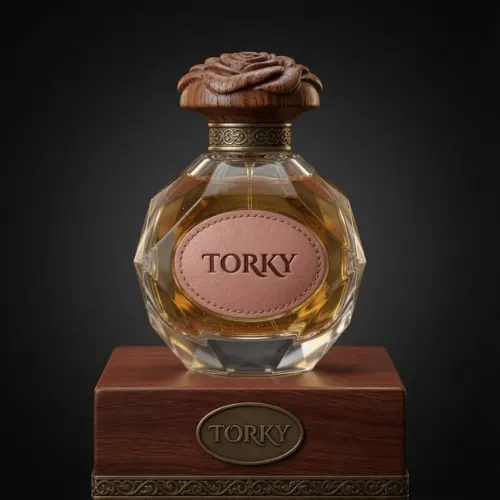
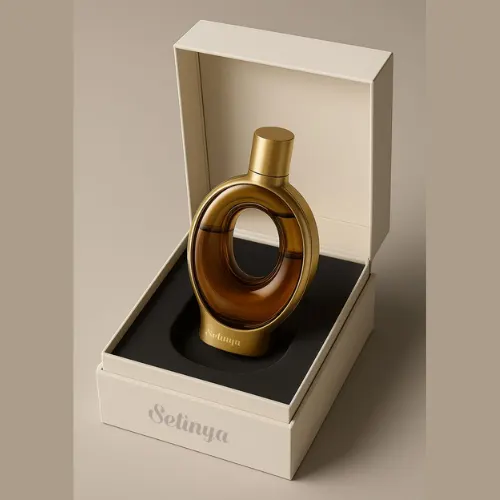
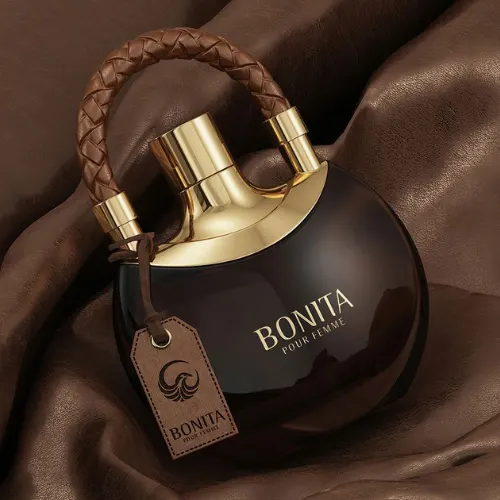
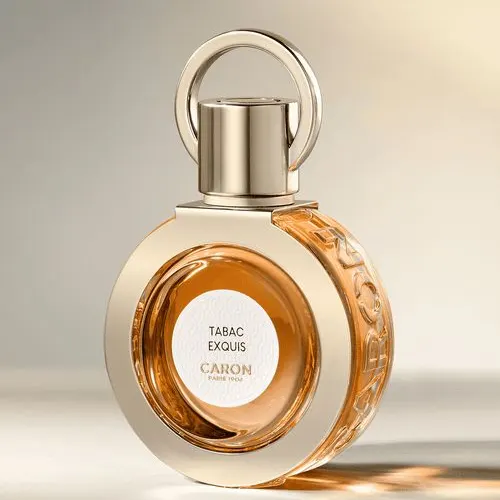
b) Sculptural bottles
Unusual contours, asymmetrical forms, and art-inspired silhouettes that make the container a talking point.
Source: https://in.pinterest.com/
Source: https://in.pinterest.com/
Source: https://in.pinterest.com/
Source: https://in.pinterest.com
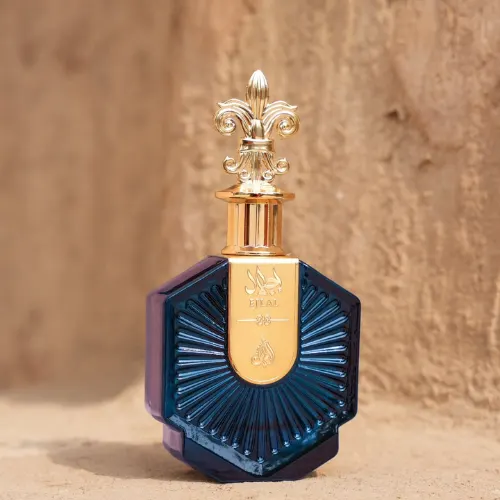
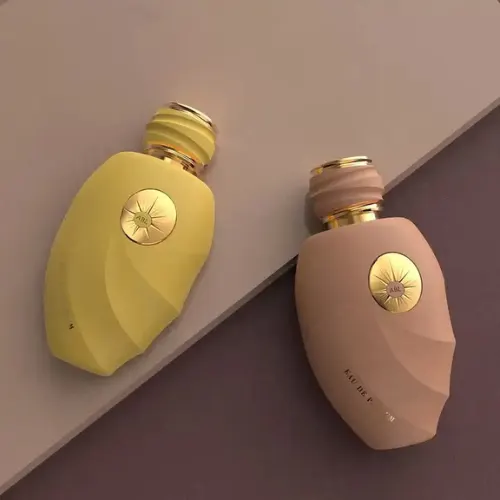
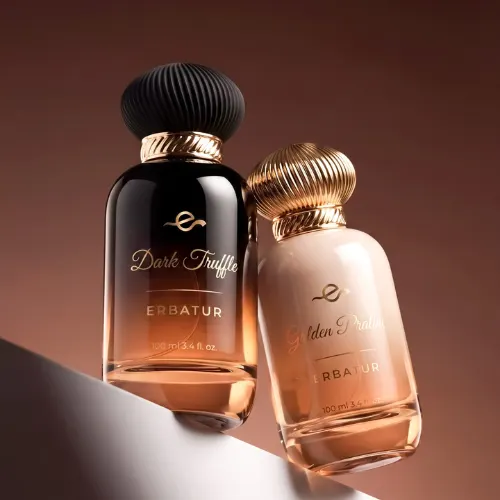
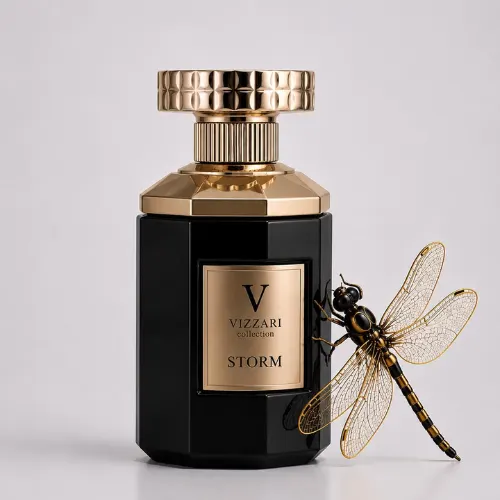
c) Classic luxury bottles
Faceted glass, rich colours, substantial bases, and carefully placed metallic details. Absolutely unique and elegant!
Source: https://in.pinterest.com/
Source: https://in.pinterest.com/
Source: https://in.pinterest.com/
Source: https://in.pinterest.com
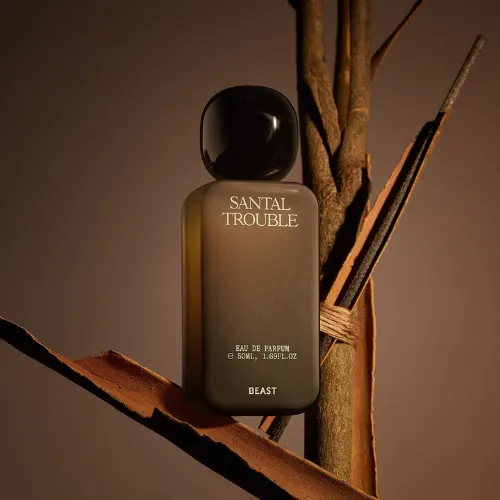
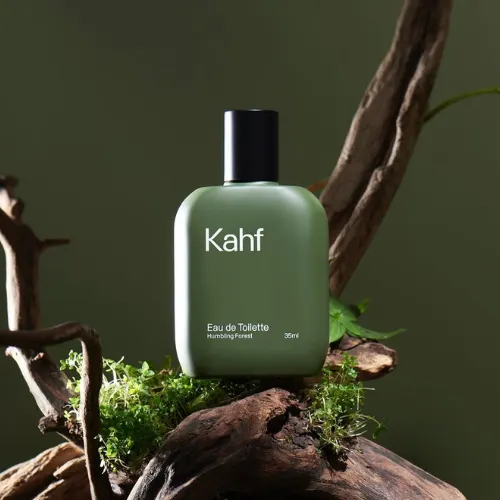
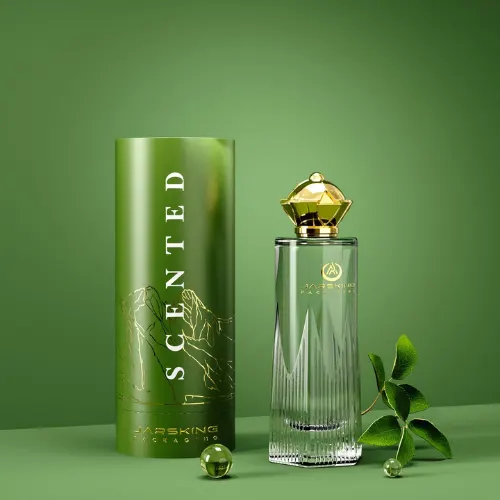
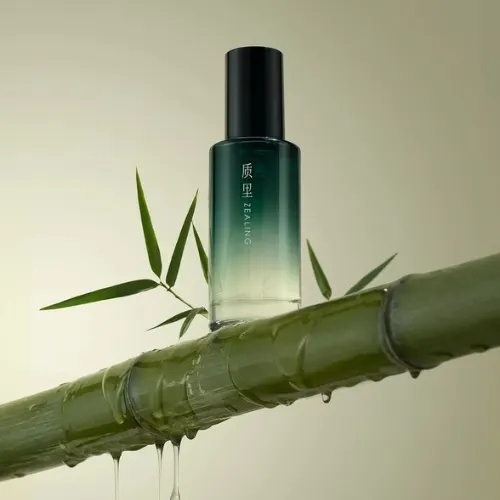
d) Nature-inspired designs
Try some of these organic curves, botanical engraving, earthy shades, and textures inspired by nature: flowers, leaves, or stones!
Source: https://in.pinterest.com/
Source: https://in.pinterest.com/
Source: https://in.pinterest.com/
Source: https://in.pinterest.com
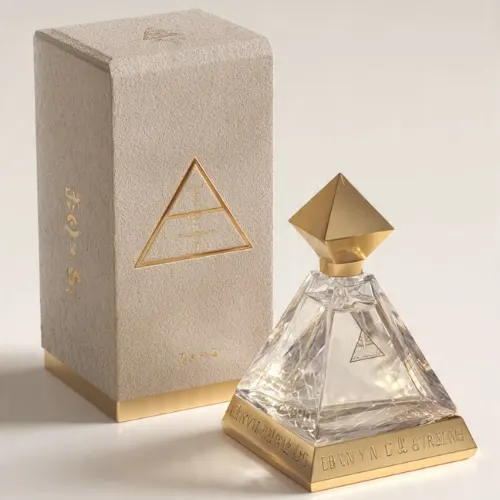
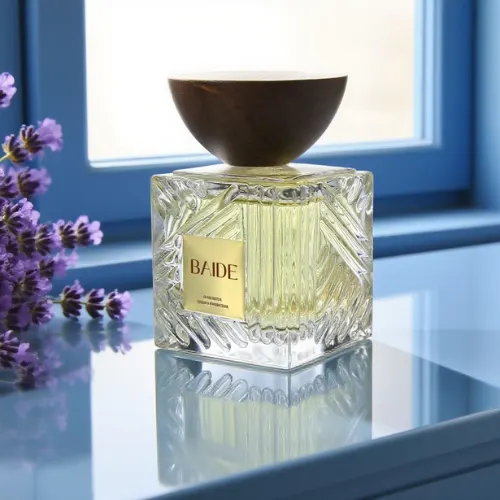
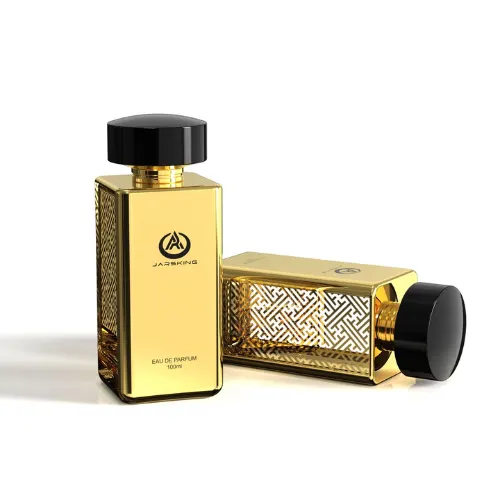
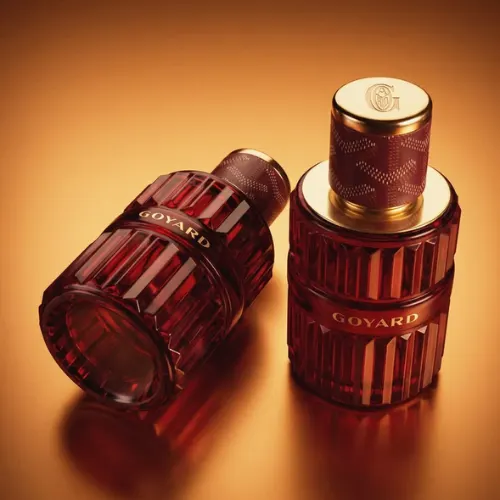
e) Geometric bottles
Square, rectangular, triangular, or just sharply faceted forms with a more architectural feel. Another unique statement piece!
Source: https://in.pinterest.com/
Source: https://in.pinterest.com/
Source: https://in.pinterest.com/
Source: https://in.pinterest.com
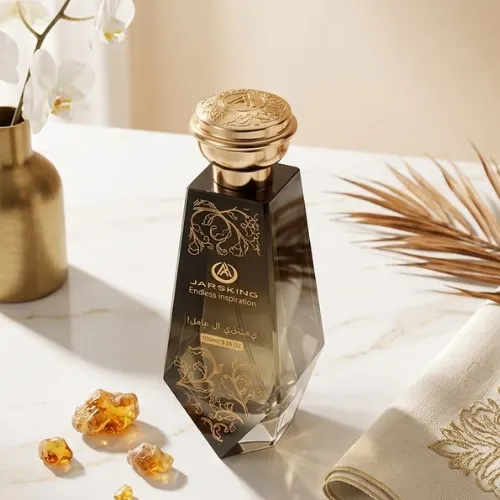
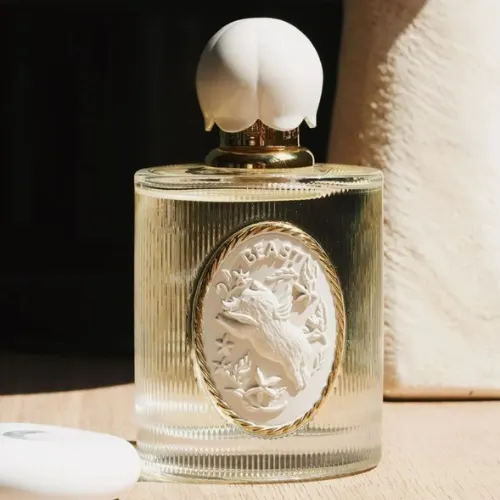
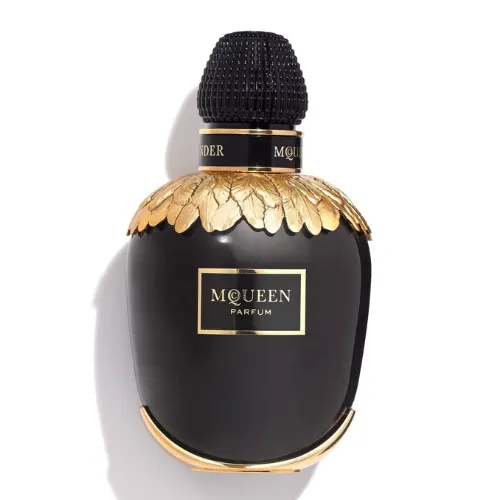
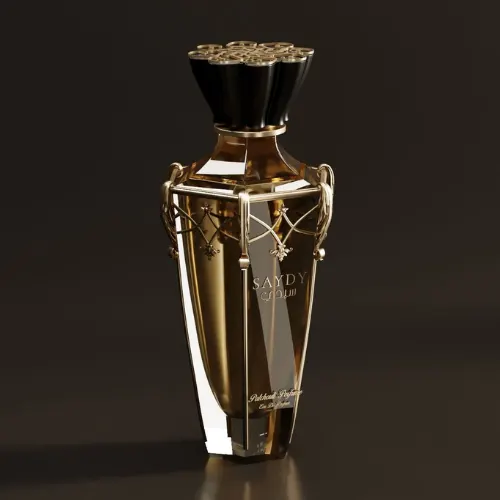
f) Vintage-inspired flacons
Rounded shoulders, ornate caps, traditional lettering, and details drawn from older perfume bottles.
Source: https://in.pinterest.com/
Source: https://in.pinterest.com/
Source: https://in.pinterest.com/
Source: https://in.pinterest.com
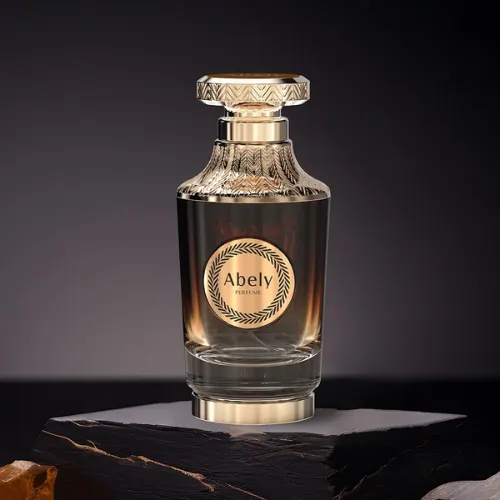
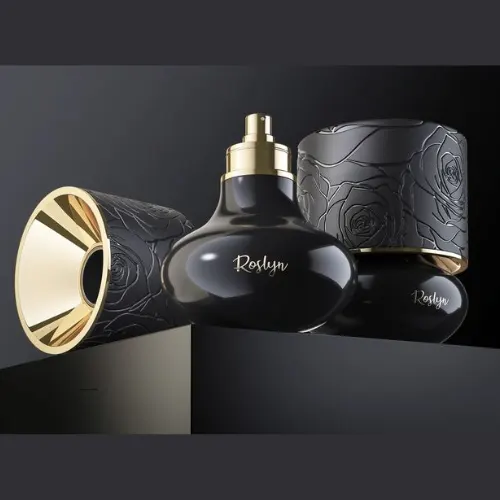
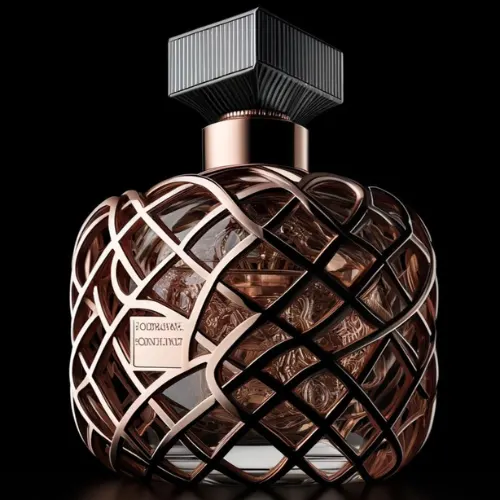
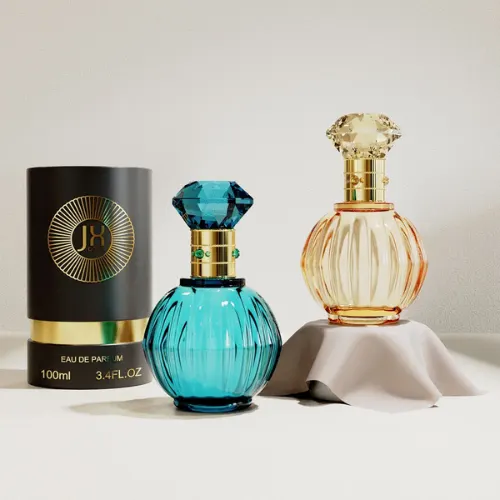
g) Statement caps
Floral, abstract, metallic, or oversized caps can actually give a relatively simple bottle a distinctive finish. Excellent choice if you want to stand out!
Source: https://in.pinterest.com/
Source: https://in.pinterest.com/
Source: https://in.pinterest.com/
Source: https://in.pinterest.com
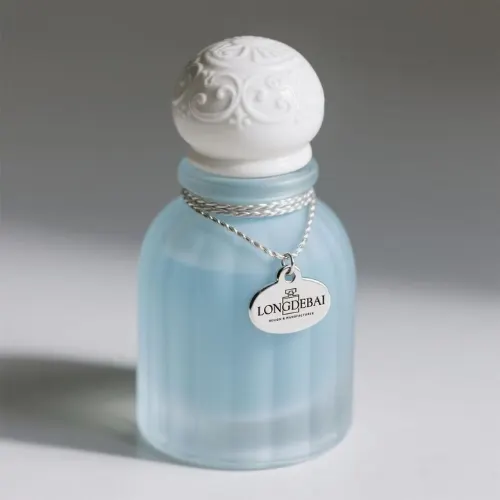
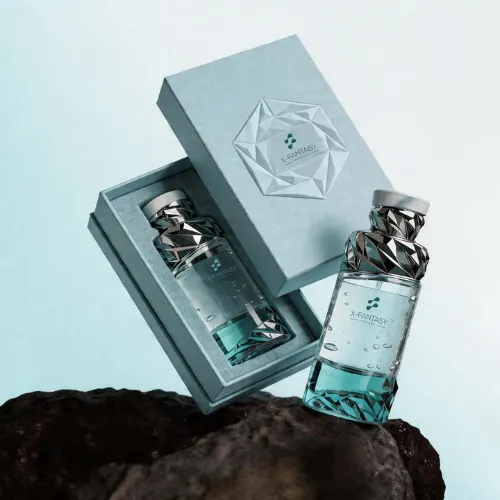
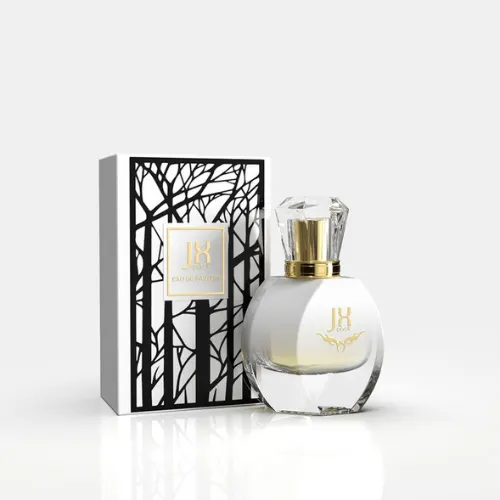
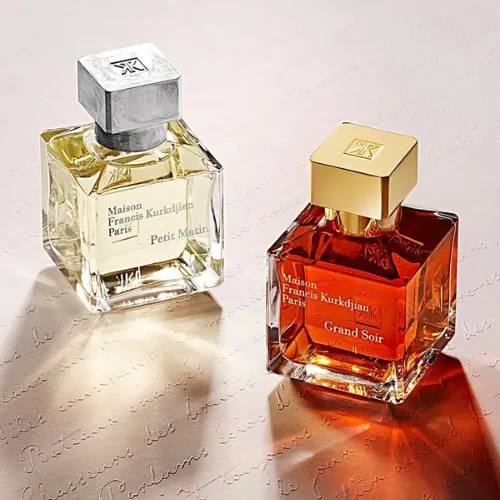
h) Coloured and frosted glass
Transparent tints, opaque coatings, gradients, and matte surfaces that change how the bottle catches the light.
Source: https://in.pinterest.com/
Source: https://in.pinterest.com/
Source: https://in.pinterest.com/
Source: https://in.pinterest.com
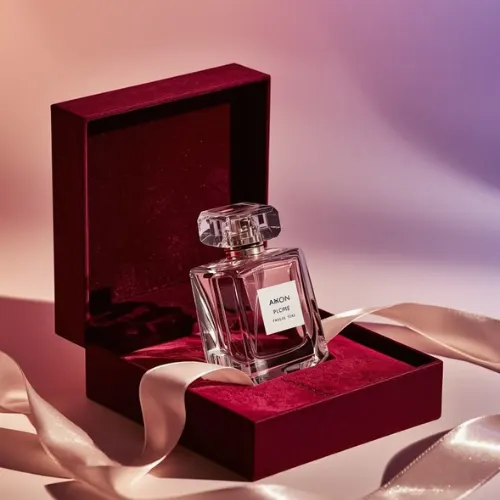
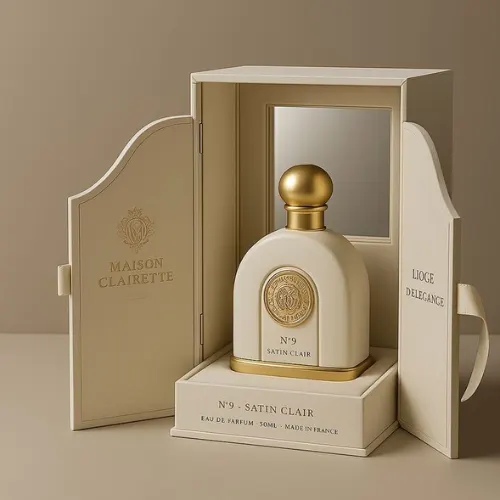
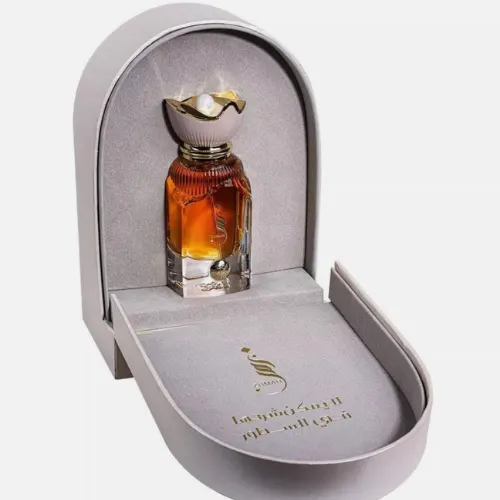
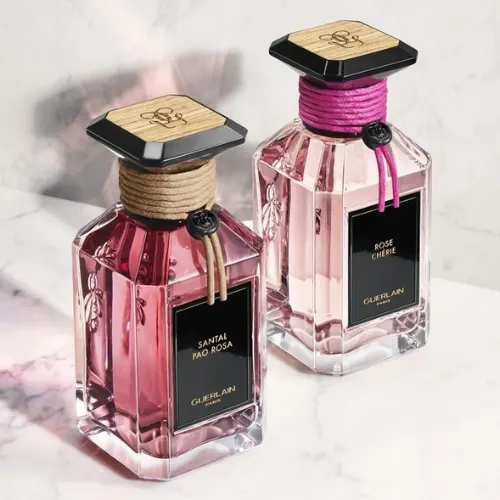
i) Personalised bottles
Monograms, engraved names, limited-edition details, or custom finishes for gifting and special releases.
Source: https://in.pinterest.com/
Source: https://in.pinterest.com/
Source: https://in.pinterest.com/
Source: https://in.pinterest.com
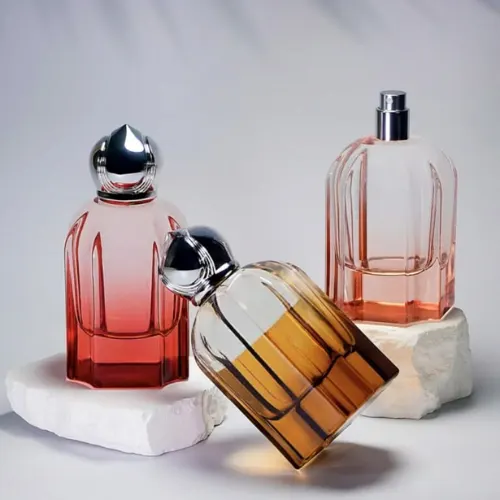
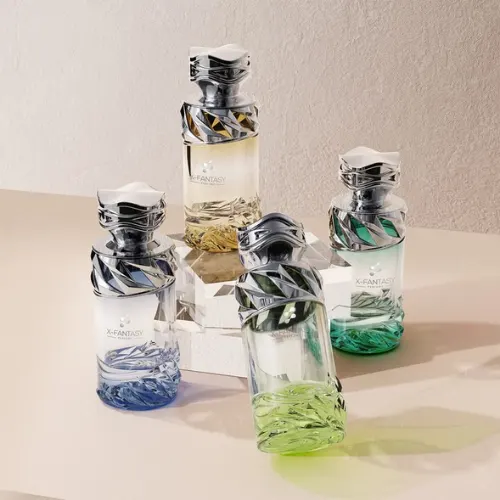
j) Refillable perfume bottles
Designs that allow the bottle to be used again with a compatible refill system.
Source: https://in.pinterest.com/
Source: https://in.pinterest.com/
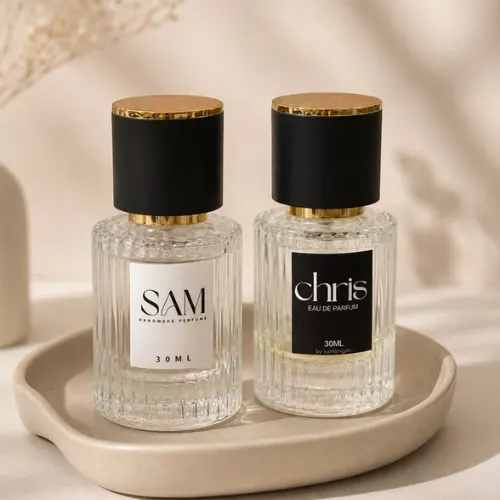
Source: https://in.pinterest.com/
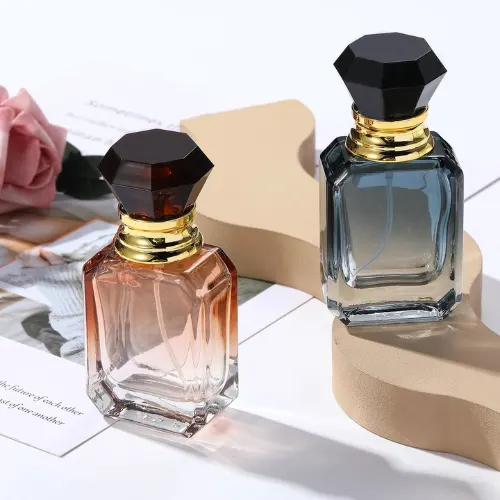
Source: https://in.pinterest.com
Perfume Bottle Design Mistakes That Are Easier to Avoid Early
A few common problems can turn a promising concept into an expensive production headache.
1. Copying another perfume too closely: Take inspiration from the market, but give your bottle its own recognisable features.
2. Choosing a shape that is difficult to produce: Discuss tooling, tolerances, and production costs before approving the final design.
3. Skipping compatibility tests: The bottle, pump, seals, and fragrance formula need to work together. Test the complete system for leakage and material compatibility.
4. Making the label hard to read: Decorative lettering and low-contrast colours shouldn’t hide the fragrance name or essential information.
5. Adding too many decorative elements: An elaborate cap, metallic coating, textured glass, and multiple colours can compete rather than complement one another.
6. Ignoring shipping protection: Test the carton and insert to make sure the bottle can withstand normal handling and transport.
7. Making vague sustainability claims: Only describe a bottle as recyclable, refillable, or environmentally preferable when the claim can be supported.
8. Approving a design without a physical sample: A render cannot show every issue with weight, finish, fit, or the way the sprayer works.
9. Treating the box as a separate project: A mismatched carton can undermine an otherwise well-designed bottle.
10. Forgetting everyday use: Customers should be able to open, hold, spray, and store the bottle comfortably.
Final Thoughts:
A perfume bottle doesn’t really need to be complicated to stand out. It needs a clear idea behind it, thoughtful details, and a design that makes sense for the fragrance and the people buying it. The best concepts are the ones that look distinctive on the shelf but still work properly in a customer’s hand.
At DesignerPeople, we help brands develop packaging that brings their product identity to life. If you are creating a new fragrance or updating an existing perfume range, we can help you explore the right visual direction, from bottle aesthetics to the complete packaging system.
Have a perfume packaging idea in mind?Explore DesignerPeople’s packaging design services right now, and let’s discuss how to turn it into a design that fits your brand!

Being a strategist’s head and a long term visionary personality aims to achieve excellence in branding, packaging and digital marketing field. My 22 years of design experience and masters degree is my strength which keeps me motivated and keep me going positively. I have participated in extensive branding design conquests in India, USA, Australia and New Zealand with winning zeal. My objective is to encourage start-ups and hence involves actively in the articles which will act as a productive intake of knowledge for them. Do connect me personally via my LinkedIn and I love to share my expertise with you.