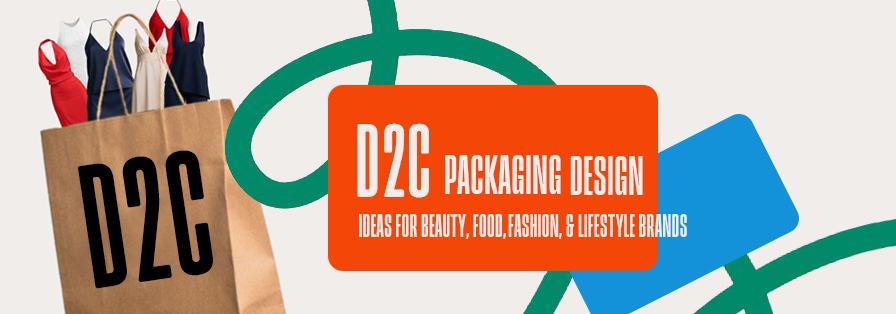

The way people discover, buy, and interact with brands is no longer the same. Today, customers will encounter your product online before they even see it at the store. This means that packaging is no longer just about protecting your product during shipping. It has now become a critical part of the entire customer experience.
For D2C brands, packaging is the actual moment when all the digital promises become tangible reality. A thoughtfully designed package is the best way to build the much-needed excitement, create trust, encourage social sharing, and even influence repeat purchases.
72% of consumers say packaging design influences their purchase decisions, highlighting how strongly visual presentation impacts buying behaviour.
In a crowded D2C marketplace where thousands of brands compete for attention every day, great packaging is no longer optional. It has become one of the strongest growth drivers modern brands can invest in. Let’s learn more about 301+ stunning D2C packaging design ideas across various industries that are bound to grow and succeed in the upcoming years.
Table of Contents
Why D2C Packaging Is Quietly Becoming the Most Powerful Growth Tool for Modern Brands
A decade ago, most brands relied heavily on retail shelves to attract customers. Today, many D2C brands sell primarily through websites, marketplaces, social media marketing, and quick-commerce platforms. This shift has fundamentally changed the entire role of packaging.
When customers buy online, they cannot touch, smell, or physically inspect the product beforehand. Packaging becomes the bridge between expectation and reality.
Think about the brands people love talking about online. Many of them invest heavily in custom boxes, premium materials, personalised notes, and memorable unboxing experiences. They understand that packaging isn’t a cost centre. It is a true marketing asset.
Here’s what strategically well-designed packaging can do for you:
1. Increase your perceived product value way beyond the usual
2. Build trust with first-time customers
3. Improve customer retention rates and repeat purchases
4. Encourage more user-generated content
5. Strengthen brand recall
6. Reduce buyer’s remorse
7. Increase repeat purchases
Industries Where Great D2C Packaging Creates the Biggest Impact
While every industry benefits from good packaging, some categories depend on it much more than others.
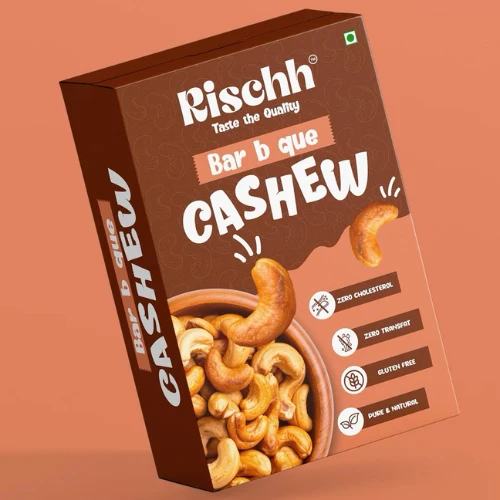
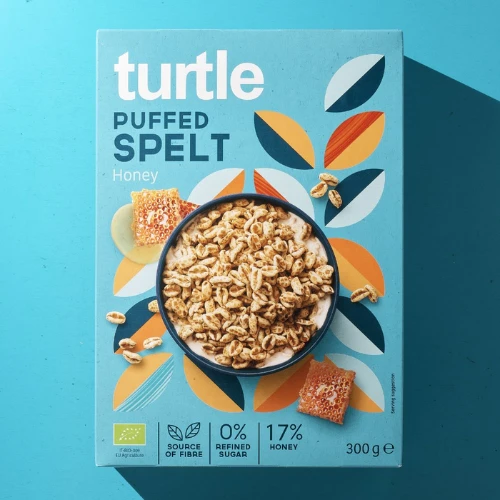
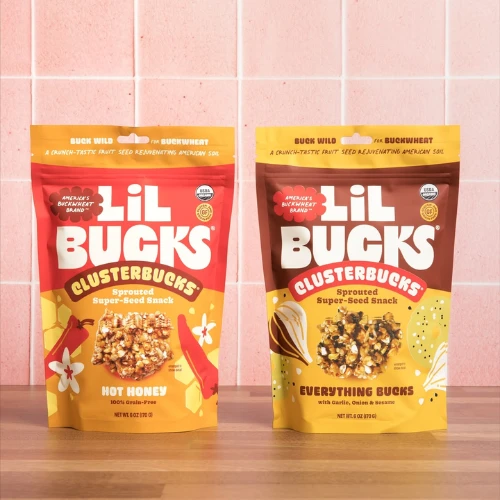
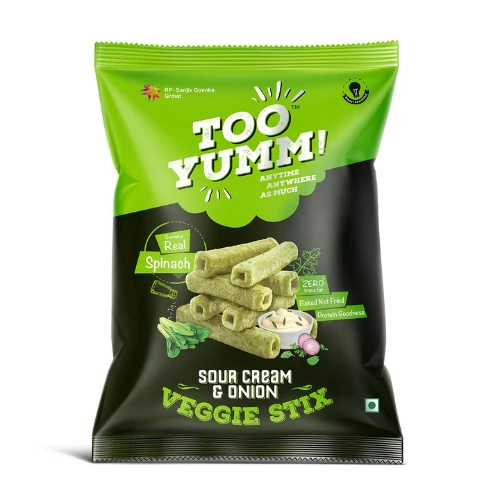
a) Food & Snacks Brands: Winning Appetite Before the First Bite
Food packaging has only one job: make consumers hungry instantly!
Customers mostly decide whether the snack feels premium, healthy, indulgent, or trustworthy in mere seconds. 72% of consumers agree that packaging appearance directly affects their final buy decision at the store.
Colours, imagery, typography, and packaging structure all influence consumer perception here.
For D2C food brands, packaging should communicate:
1. Freshness
2. Taste
3. Ingredient quality
4. Brand personality
5. Convenience
The best food packaging makes people want to open the package immediately.
Source: https://in.pinterest.com/
Source: https://in.pinterest.com/
Source: https://in.pinterest.com/
Source: https://in.pinterest.com/
b) Beverage Brands: Creating Recognition in Seconds
The beverage market is incredibly competitive.
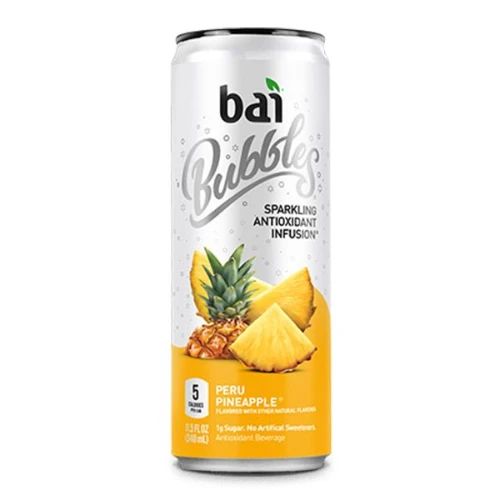
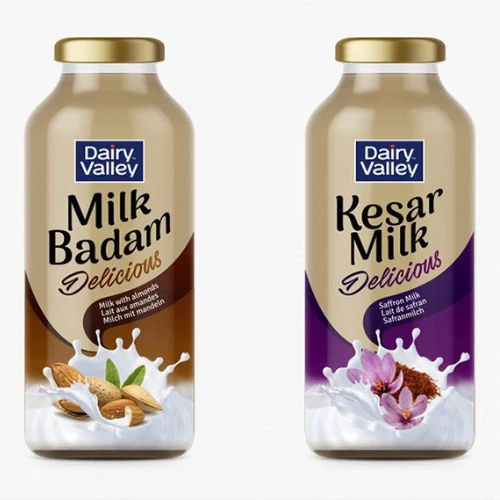
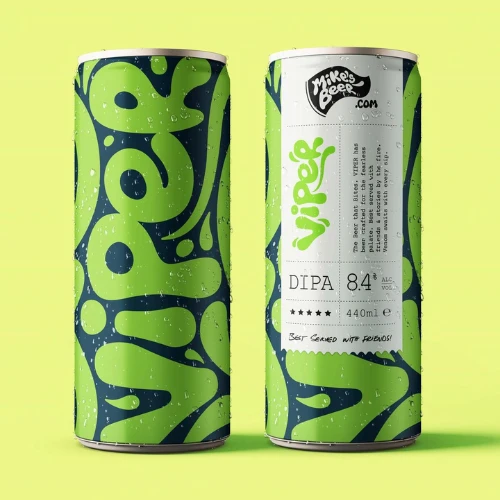
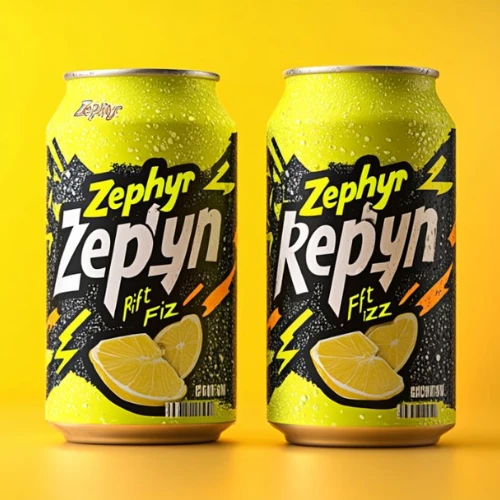
Whether it’s coffee, tea, health drinks, juices, kombucha, or energy beverages, packaging design often determines whether customers notice a brand among countless alternatives.
Strong beverage packaging uses:
1. Distinctive colour systems
2. Clear product hierarchy
3. Memorable brand marks
4. Easy-to-read labels
Many successful D2C beverage brands also design packaging specifically for social media visibility and marketplace thumbnails.
Source: https://in.pinterest.com/
Source: https://in.pinterest.com/
Source: https://in.pinterest.com/
Source: https://in.pinterest.com/
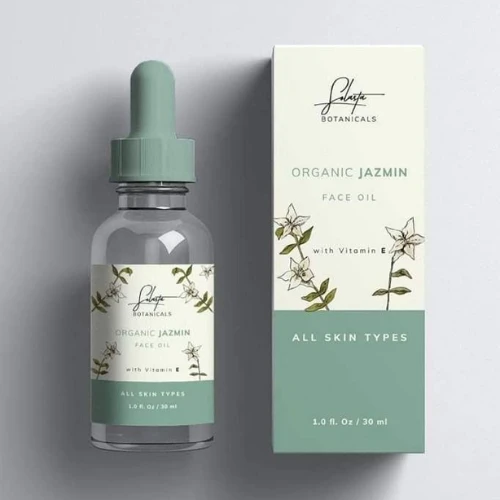
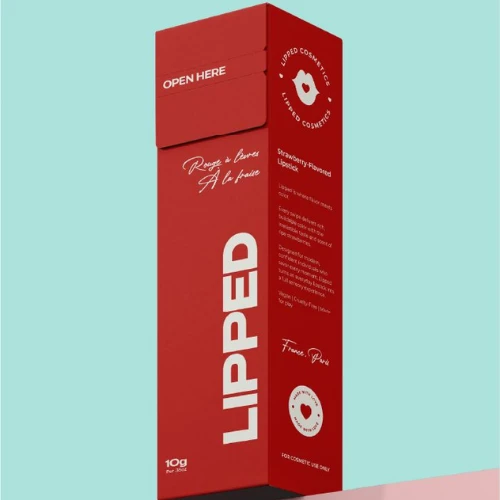
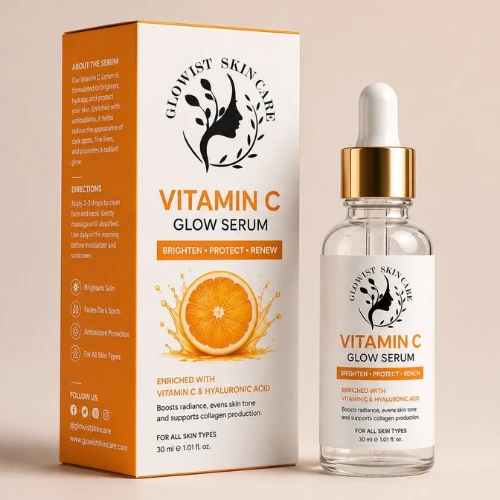
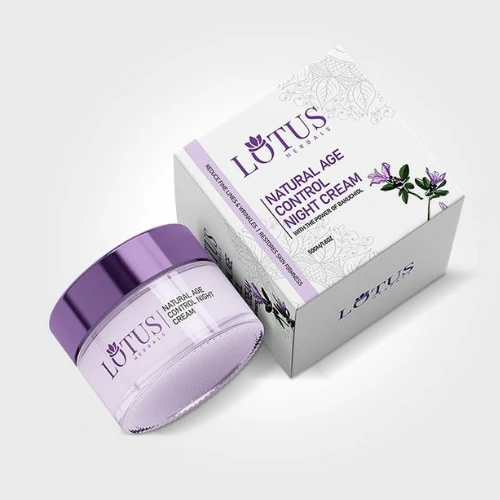
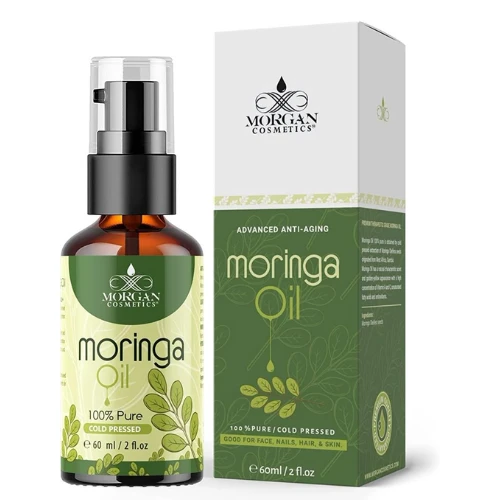
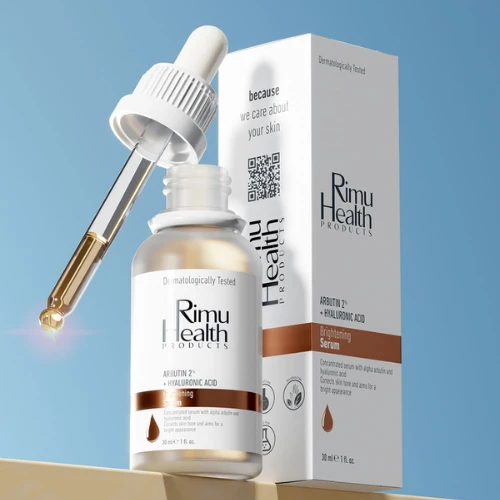
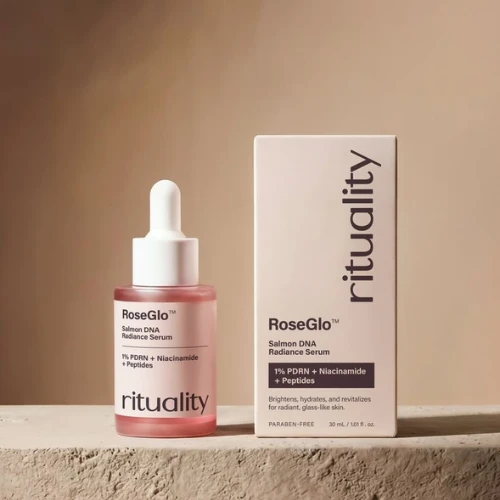
c) Beauty & Skincare D2C Brands: Selling Trust Through Design
Beauty consumers buy with both logic and emotion.
They want products that look effective, safe, premium, and aesthetically pleasing. Packaging plays a massive role in communicating all four.
Clean layouts, premium materials, elegant typography, and thoughtful colour palettes are the ideal way for skincare brands to build credibility quickly.
Packaging in this industry influences roughly 70% of consumer purchase decisions in this era.
The global cosmetic packaging market reaches over a massive $36 billion. All of this is driven by rising consumer demand for functional, sustainable, and explanatory designs that build brand trust.
That’s why packaging often becomes a deciding factor in beauty purchases.
Source: https://in.pinterest.com/
Source: https://in.pinterest.com/
Source: https://in.pinterest.com/
Source: https://in.pinterest.com/
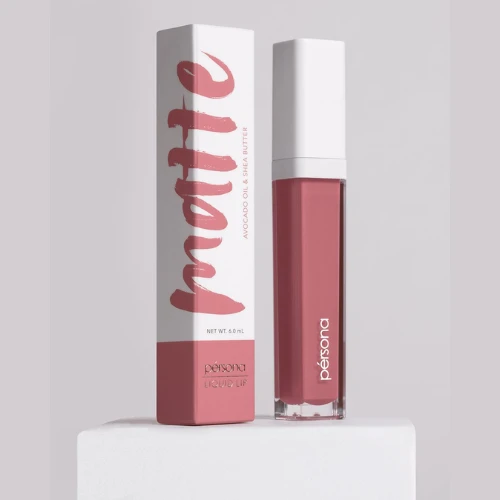
d) Cosmetics & Makeup Brands: Packaging That Belongs on Social Media
Makeup packaging isn’t just functional. It becomes part of the product experience.
Consumers frequently showcase makeup products on Instagram, YouTube, and TikTok. As a result, packaging must photograph beautifully.
Successful cosmetic brands invest in:
1. Premium finishes
2. Luxury textures
3. Distinctive shapes
4. Unboxing experiences
5. Gift-worthy presentation
Now, your packaging will turn out to be your content!
Source: https://in.pinterest.com/
Source: https://in.pinterest.com/
Source: https://in.pinterest.com/
Source: https://in.pinterest.com/
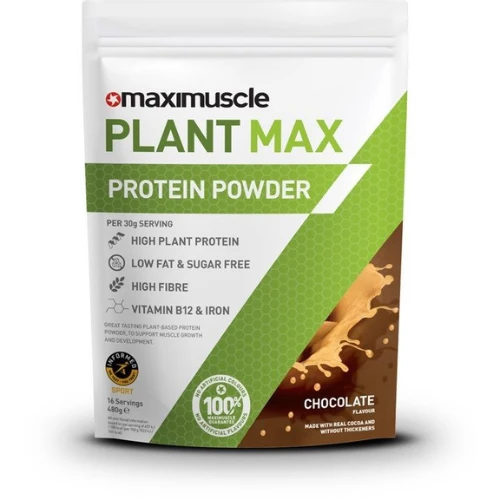
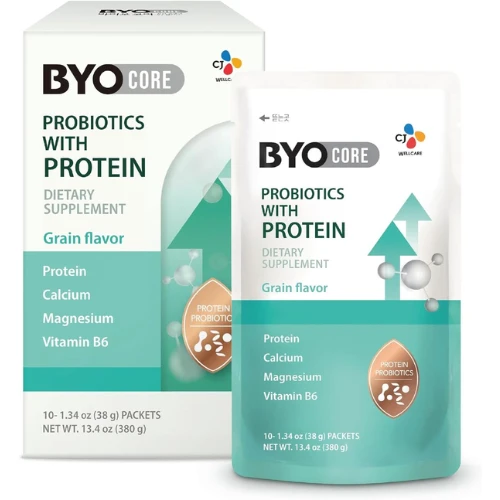
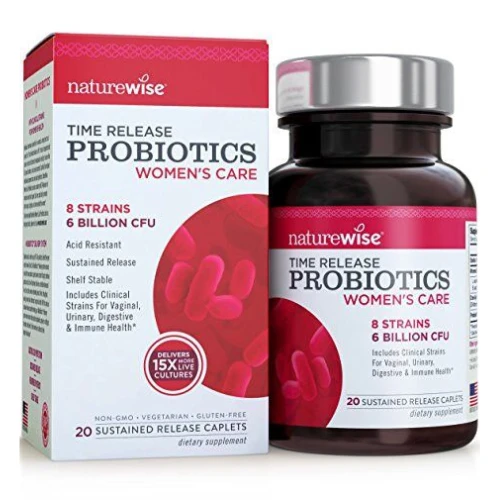
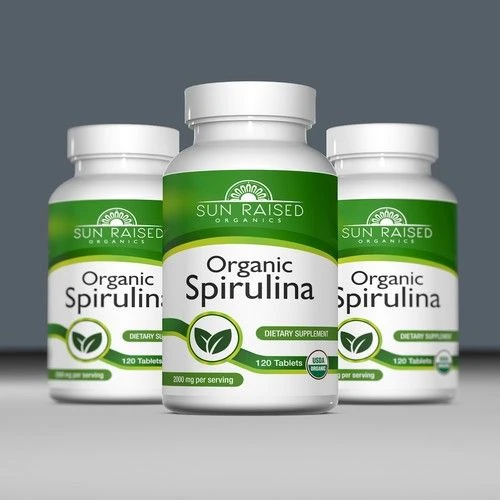
e) Health & Wellness Products: Building Confidence at First Glance
Customers buying wellness products are always looking for reassurance. 66% of consumers are willing to pay more for solid safety and hygiene claims.
They want transparency, authenticity, and clarity.
Packaging should clearly communicate:
1. Benefits
2. Ingredients
3. Certifications
4. Usage instructions
5. Brand credibility
Source: https://in.pinterest.com/
Source: https://in.pinterest.com/
Source: https://in.pinterest.com/
Source: https://in.pinterest.com/
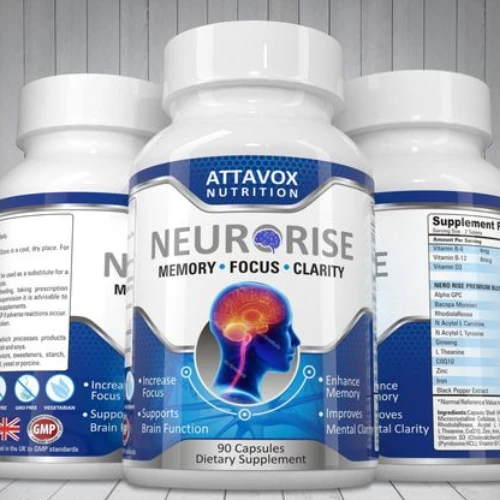
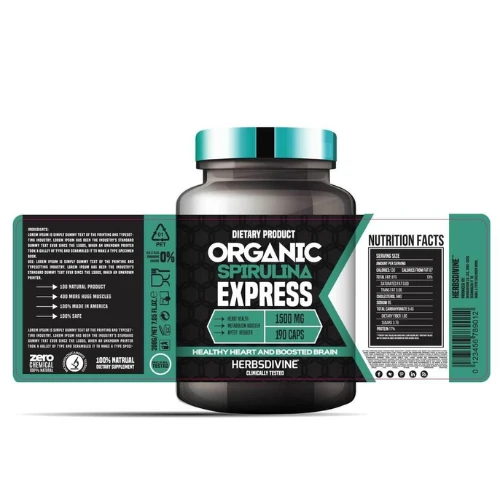
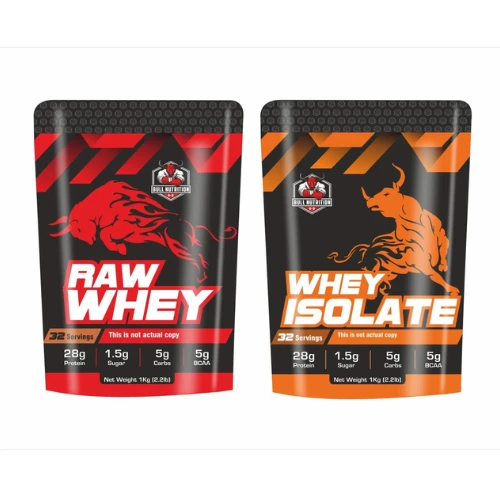
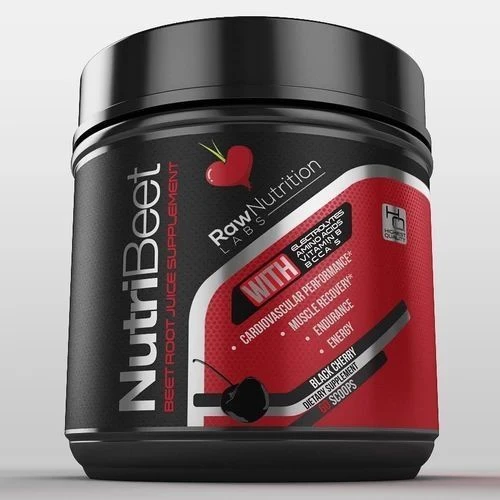
f) Nutraceutical & Supplement Brands: Turning Science into Simplicity
Supplements usually contain a lot of complex information. In such cases, good packaging actually helps simplify scientific messaging without sacrificing credibility.
Consumers should immediately understand:
1. What the product does
2. Who it’s for
3. Key ingredients
4. Usage recommendations
The goal is absolute clarity, not complexity.
Source: https://in.pinterest.com/
Source: https://in.pinterest.com/
Source: https://in.pinterest.com/
Source: https://in.pinterest.com/
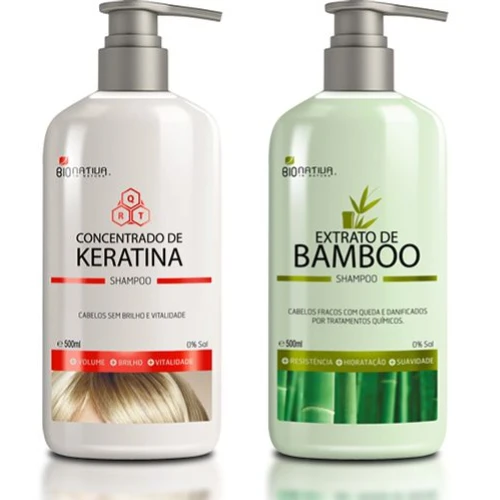
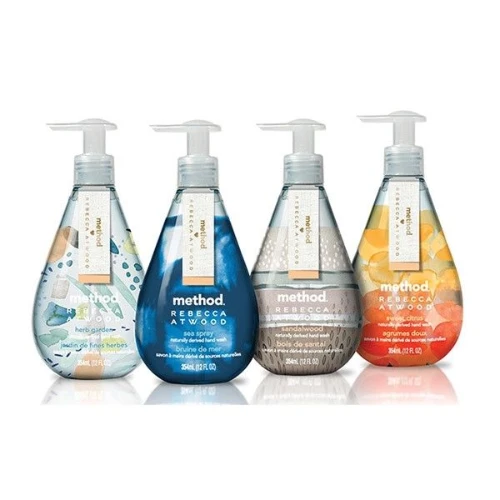
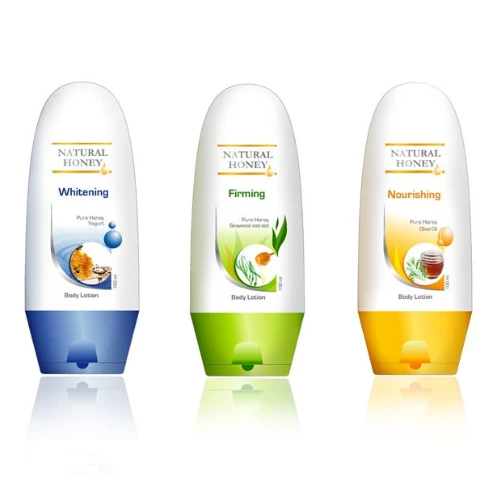
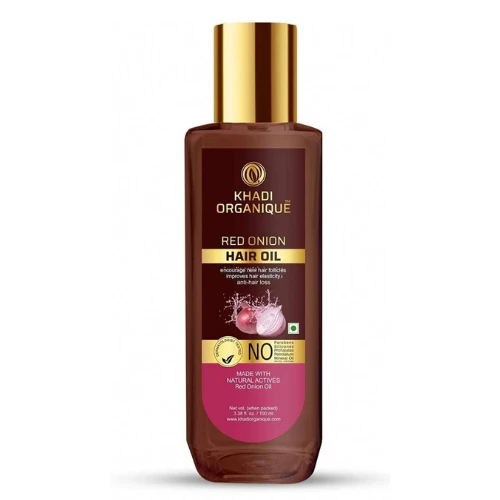
g) Personal Care Brands: Standing Out in Crowded Categories
From shampoos and soaps to deodorants and body washes, personal care shelves are crowded.
Packaging helps brands create distinctive identities that consumers will remember and repurchase every time.
Successful brands focus more on:
1. Signature color systems
2. Consistent visual language
3. Strong product architecture
4. Ease of use
Source: https://in.pinterest.com/
Source: https://in.pinterest.com/
Source: https://in.pinterest.com/
Source: https://in.pinterest.com/
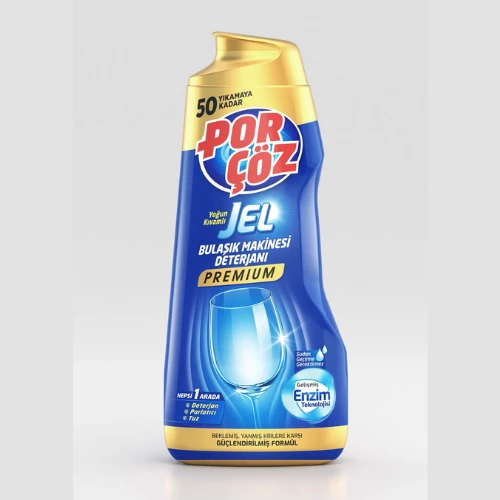
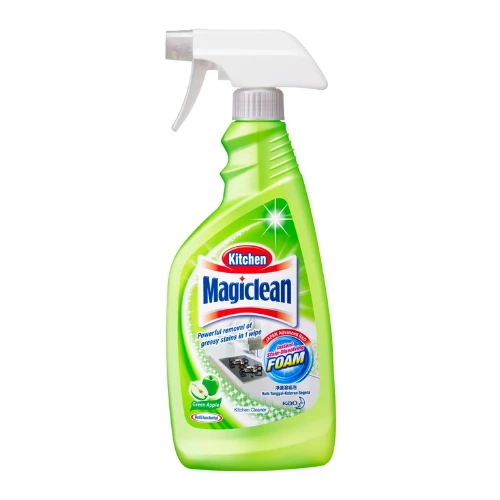
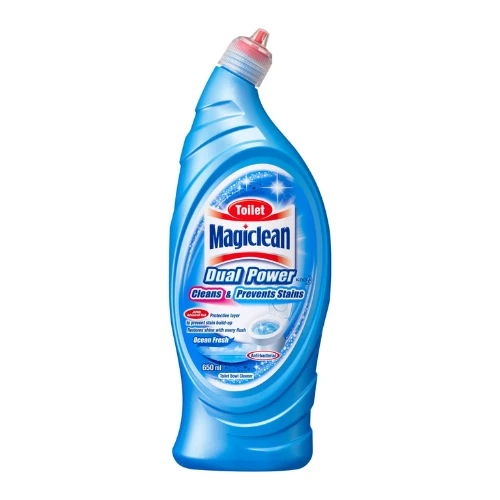
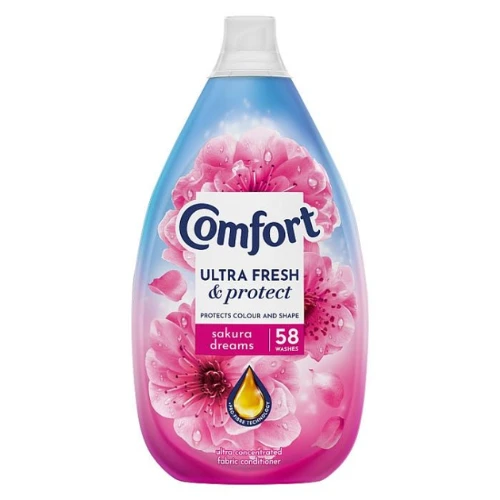
h) Home Care & Cleaning Products: Turning Everyday Products Into Memorable Brands
Cleaning products rely more on functionality.
However, things have changed now. Consumers expect more.
Modern D2C home care brands use packaging to communicate:
1. Safety
2. Sustainability
3. Effectiveness
4. Modern lifestyles
Packaging helps transform commodity products into brands people actually connect with.
Source: https://in.pinterest.com/
Source: https://in.pinterest.com/
Source: https://in.pinterest.com/
Source: https://in.pinterest.com/
Before You Design Anything: 10 Packaging Lessons Every D2C Brand Should Know
Here’s a quick step-by-step guide to help you get started with your first D2C brand packaging design.
1. Start With Your Customer, Not Your Product
The biggest packaging mistake D2C brands make is designing for themselves instead of their customers.
Before finalising a design, ask:
1. Who is buying the product?
2. What attracts their attention?
3. What kind of packaging feels premium to them?
A minimalist skincare customer and a snack-loving Gen Z shopper will respond to very different packaging styles.
2. Let Your Brand Story Shape Every Design Decision
Your packaging should instantly communicate what your brand actually stands for. This is the most important aspect.
For example:
1. Sustainable brands can strategically highlight eco-friendly materials.
2. Luxury brands can use refined and premium finishes along with elegant typography.
3. Wellness brands go well with clean and calming visuals.
When your premium packaging reflects the brand story, customers are bound to remember it way longer.
3. Make the First Impression Count
For most D2C brands, packaging is the first physical interaction customers have with the business.
Within a few seconds, customers start judging:
1. Product quality
2. Brand credibility
3. Value for money
A strong first impression creates excitement before the product is even used.
4. Treat Unboxing as Part of the Product Experience
The delivery box shouldn’t really feel like the end of the buying journey. It should actually feel like the beginning.
Simple additions in your design can make a difference:
1. Thank-you cards
2. Personalized notes
3. Branded tissue paper
4. Product story inserts
These details often become the reason customers share your brand online.
5. Balance Beauty with Practical Protection
A stunning package that arrives damaged is still a bad package.
Good D2C packaging should:
1. Protect products during transit
2. Reduce potential returns and complaints
3. Maintain a good premium appearance upon delivery
The best designs combine both aesthetics and functionality.
6. Choose Materials That Reflect Your Brand Values
Most consumers prefer brands that are well-suited for the environment, such as:
1. Recyclable materials
2. Minimal packaging waste
3. Reusable packaging solutions
Your material choice says so much about your brand as your logo does.
7. Keep Your Branding Consistent Everywhere
Customers should recognise your brand instantly, whether they see:
1. The shipping box
2. Product labels
3. Thank-you cards
4. Social media posts
Consistency builds familiarity, and familiarity builds trust.
8. Make Information Easy to Find and Understand
Customers shouldn’t have to search for important information.
Keep details such as:
1. Ingredients
2. Product benefits
3. Usage instructions
4. Contact information
Clear, visible, and easy to read.
9. Create Packaging People Want to Share Online
Some packaging naturally ends up on Instagram, YouTube, and customer stories.
Common characteristics include:
1. Strong visual appeal
2. Creative and interactive unboxing moments
3. Unique structural design
4. Memorable and striking brand details
Remember. The best way to generate more user-generated content is great packaging!
10. Design for the Second Purchase, Not Just the First
Getting the first sale is definitely important. But getting that second sale is where growth actually happens.
Ask yourself:
1. Will customers remember the brand?
2. Does the packaging encourage loyalty?
3. Is the experience worth repeating?
The strongest D2C packaging doesn’t just attract buyers—it helps turn them into repeat customers.
How Great Packaging Drives Sales, Loyalty, and Brand Recall for D2C Brands
Did you know that 30% of businesses report increased profit margins simply after upgrading their packaging strategies? That’s right!
Great packaging is not only about aesthetics anymore.
It is all about how your customers perceive overall quality, value, trustworthiness, and professionalism.
Strong packaging can do so much for your brand, such as:
1. Increase perceived value
2. Encourage repeat purchases
3. Strengthen emotional connections
4. Increase user-generated content
5. Differentiate brands from competitors
6. Stand out in competitive markets
7. Improve customer satisfaction
And more…
In a D2C environment where competition is so intense and acquisition costs continue to rise every time, packaging becomes one of the few assets that influences acquisition, retention, loyalty, and advocacy simultaneously.
Conclusion
Customers don’t just remember your products. They remember the entire experience. Right from the moment your packaging arrives at their doorstep to the moment they open it and experience it. All of this matters.
Thus, whether you are launching a new food startup, makeup line, supplement brand, fashion label, or even a home care product, it’s best to choose professional packaging designers like DesignerPeople. We can help transform your next packaging into a powerful brand-building asset that your customers will remember, share and return to again and again!
Author: Anush Malik

Being a strategist’s head and a long term visionary personality aims to achieve excellence in branding, packaging and digital marketing field. My 22 years of design experience and masters degree is my strength which keeps me motivated and keep me going positively. I have participated in extensive branding design conquests in India, USA, Australia and New Zealand with winning zeal. My objective is to encourage start-ups and hence involves actively in the articles which will act as a productive intake of knowledge for them. Do connect me personally via my LinkedIn and I love to share my expertise with you.