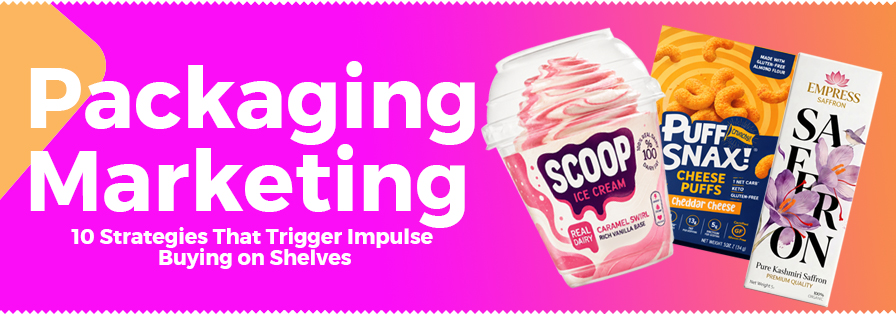

Let’s be honest. Most shoppers don’t just walk into stores with perfectly planned shopping lists anymore.
Sometimes they enter for one thing and leave with five extra products they never intended to buy. And surprisingly, packaging plays a huge role in that decision!
Think about it.
How many times have you actually picked up a snack, skincare product, beverage, or chocolate simply because the packaging looked interesting?
Maybe the colours stood out. Maybe the typography felt premium. Maybe the design just looked too good to ignore?
That’s true impulse buying psychology in action.
In today’s overcrowded retail environment, products barely get a few seconds to grab attention. Shelves are always packed. Customers are forever distracted. Competition is extremely aggressive. So if your packaging doesn’t instantly create curiosity or emotional connection, people simply move on.
And this is exactly why packaging marketing has become so important.
Smart brands no longer treat packaging as just a protective wrapper. They use it as a silent marketing tool that works directly at the point of purchase. It grabs attention, builds perception, communicates value, and influences buying decisions all without saying a single word out loud.
Because sometimes customers don’t buy the product first. They buy the feeling the packaging gives them. We have created a comprehensive guide that consists of some of the most killer packaging marketing strategies along with some more information on how you can maximise the results of your packaging marketing this year! Let’s get started.
Table of Contents
10 Packaging Marketing Strategies That Quietly Influence Customers to Buy Instantly
Good packaging isn’t random.
Every successful product sitting on supermarket shelves usually follows certain psychological patterns. Even if customers don’t consciously realise it, let’s quickly break down some of the most effective packaging marketing strategies that genuinely work in real retail environments.
1. The “Wait… This Looks Different” Visual Disruption Strategy
Modern shelves are visually exhausting.
Every product is fighting for attention using colours, claims, graphics, discounts, and flashy elements. So if your packaging blends into the crowd, customers simply don’t notice it.
That’s why visual disruption works so well.
Some brands intentionally design packaging that breaks the visual rhythm of the shelf. Instead of following category trends, they do the opposite.
For example:
1. Minimalist packaging in a crowded, colourful aisle
2. Matte finishes among glossy competitors
3. Bold oversized typography with lots of empty space
4. Unusual packaging shapes or layouts
The goal is not to confuse people. The goal is to interrupt this automatic scrolling behaviour.
Because once a shopper pauses, even for a second, your packaging has already won half the battle!
And honestly, in physical retail, attention is one of the most valuable currencies.
2. Shelf Blocking: How Packaging Consistency Makes Brands Look Bigger and Stronger
Ever noticed how some brands instantly dominate shelves even when their products are spread across different rows?
That’s called strategic shelf blocking.
When all products in a brand family follow a consistent visual identity, such as similar colours, layouts, typography, or design structure, they create a stronger visual presence together.
This does two important things:
1. Makes the brand easier to recognise
2. Creates the perception of a larger, more established company
And perception matters a lot in retail psychology.
Customers naturally trust brands that look organised and consistent because consistency feels professional.
This is why successful FMCG brands maintain recognisable packaging systems across all product variants instead of redesigning every product completely differently.
3. Tiny Curiosity Triggers That Make People Pick Up the Product
Curiosity is extremely powerful!
Sometimes people don’t pick up a product because they need it. They pick it up because something about it feels intriguing.
This is where micro-curiosity triggers work beautifully.
You can get creative here, such as :
1. A quirky one-line message
2. An unusual ingredient highlight
3. Funky hidden illustrations
4. Interactive opening elements
5. Playful copywriting snippets
Even something simple like:
“Don’t open this if you hate spicy food.” can instantly create engagement.
These little details encourage physical interaction, and once someone touches the product, the chances of buying increase dramatically.
Because packaging that creates conversation naturally creates attention too.
4. “New Launch” Psychology: Why Customers Love Anything That Feels Fresh
Humans are naturally attracted to novelty.
Even loyal customers feel curious when they see something labelled:
1. “New Flavour”
2. “Limited Edition”
3. “Now Improved”
4. “Seasonal Special”
Why? Because newness always creates excitement.
It makes customers feel like they are actually discovering something before everyone else does.
This strategy works extremely well, especially in industries like food, beverages, cosmetics, and personal care, where consumers constantly look for fresh experiences.
And honestly, sometimes people buy simply because they don’t want to miss out.
5. Packaging That Strategically Justifies Premium Pricing
Customers judge the value of the product visually before they even judge the quality.
That means your packaging directly influences whether something feels “worth the price.”
Here are some aspects that you must consider for creating premium packaging design:
1. Minimal clutter
2. Sophisticated typography
3. Matte or textured finishes
4. Metallic details
5. Balanced spacing
And more…
These details subconsciously justify your higher pricing!
And when the packaging feels premium, customers stop comparing purely on price. Instead, they start associating the product with higher standards, better ingredients, or superior performance.
Good packaging doesn’t make products expensive. It actually makes them feel valuable.
6. Creative Storytelling That Creates Instant Emotional Connection
People love to connect with brand stories.
If you observe carefully, the best packaging designs always portray a tiny yet impactful story that makes customers stop and read then and there!
It could be:
1. “Inspired by traditional family recipes”
2. “Crafted by local farmers”
3. “Made in small batches”
4. “Rooted in authentic Indian flavours.”
These details humanise the product instantly.
Instead of feeling mass-produced, the product starts feeling personal and meaningful.
An emotional connection is surely one of the strongest triggers behind impulse buying.
Because customers may forget features, but they remember feelings.
7. Multi-Sensory Packaging That Makes the Product Feel More Special
Packaging today is not just visual anymore.
Brands are now focusing on touch, texture, opening experience, and even sound to create stronger product experiences.
Why not try something like:
1. Soft-touch finishes
2. Magnetic box closures
3. Crisp opening sounds
4. Embossed textures in the design
5. Reusable packaging structures
Such intricate sensory details actually make the product feel more luxurious and memorable.
Let’s not forget that people love products that feel satisfying to interact with.
This experience instantly creates a stronger emotional attachment and improves the overall perceived quality of your product.
8. Strategic Contrast: Standing Out by Doing the Opposite of Competitors
This is indeed one of the smartest packaging strategies and is surprisingly simple.
It doesn’t look like everyone else in the industry. Never copy their style!
If an entire category uses bright colours, maybe your packaging should feel calm and minimal. If competitors use complex designs, maybe simplicity becomes your advantage?
Contrast always grabs attention real quick because the human brain notices differences way faster than similarities.
But this strategy typically needs balance. Standing out should never come at the cost of clarity.
The packaging should still clearly communicate the category and product purpose while creating a visual distinction.
9. Designing Packaging That Feels Instagram-Worthy and Shareable
Social media has completely changed packaging expectations.
Today, customers don’t just buy products. They photograph them, review them, and share them online.
This means packaging has become part of the marketing content itself.
Brands are now intentionally designing products that look good in:
1. Unboxing videos
2. Instagram reels and stories
3. Flat-lay photography
4. Customer-generated content
And more…
Bold aesthetics, quirky and fun copywriting, premium finishing, and creative structures surely increase the chances of people sharing the product organically.
And honestly, free social visibility is one of the best forms of marketing a brand can get.
10. The “Limited Shelf Exclusivity” Strategy That Creates Urgency
People value things more when they feel rare or temporary.
That’s why limited-edition packaging works so well psychologically.
It creates a sense of urgency and exclusivity.
Customers start thinking: “If I don’t buy this now, I may not get it later.”
This strategy works especially well during:
1. Festivals
2. Seasonal launches
3. Collaborations
4. Regional editions
5. Anniversary packaging
And even if the product itself hasn’t changed much, exclusive packaging can completely refresh customer interest.
Industries Where Packaging Marketing Has the Biggest Impact on Buying Decisions
Some industries rely heavily on visual attraction and impulse buying, which makes packaging even more powerful there.
a) FMCG Products
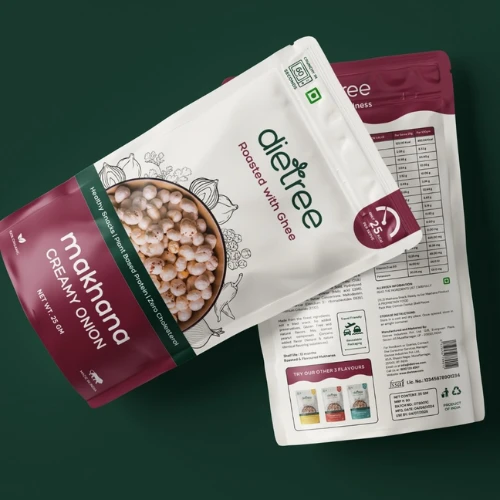
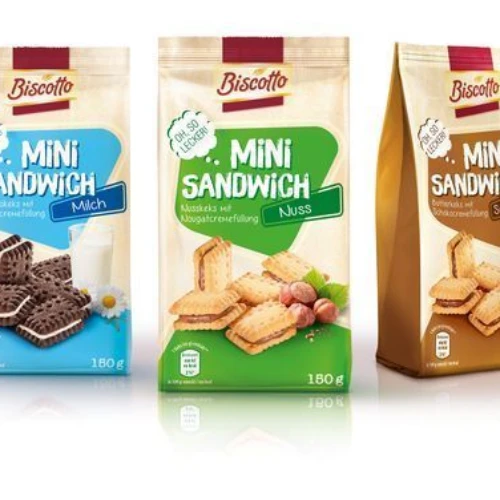
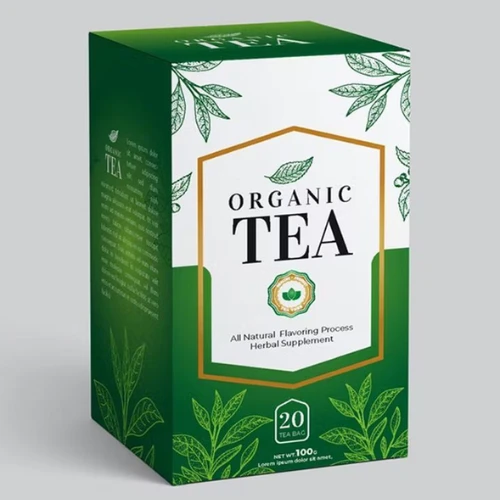
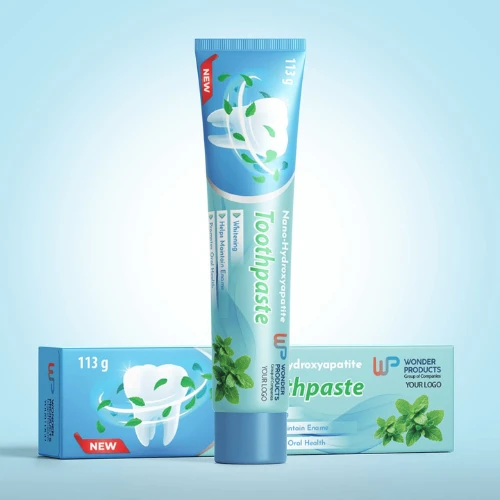
Fast-moving consumer goods compete in highly crowded retail environments. Customers make decisions quickly, often within seconds, so packaging becomes one of the strongest influencing factors.
Good packaging always helps products stand out instantly and improves overall brand recall significantly.
Source: https://in.pinterest.com/
Source: https://in.pinterest.com/
Source: https://in.pinterest.com/
Source: https://in.pinterest.com
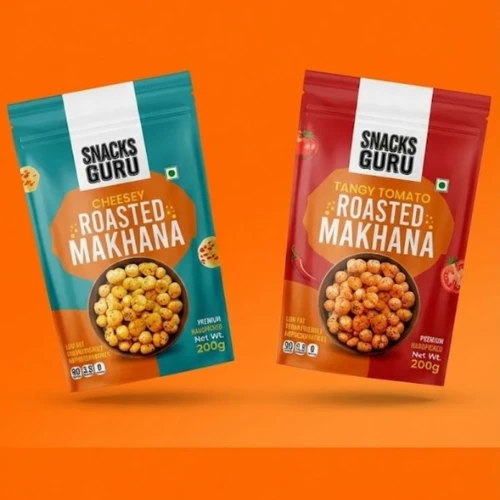
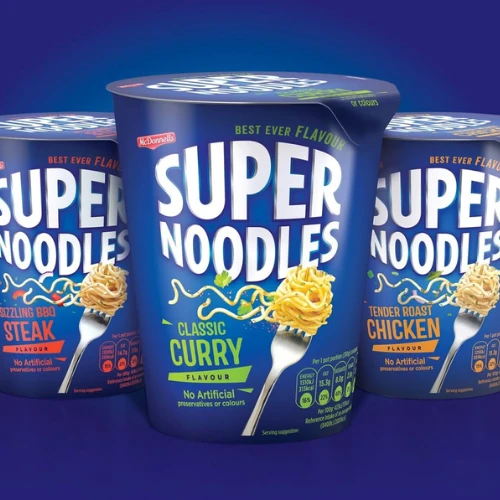
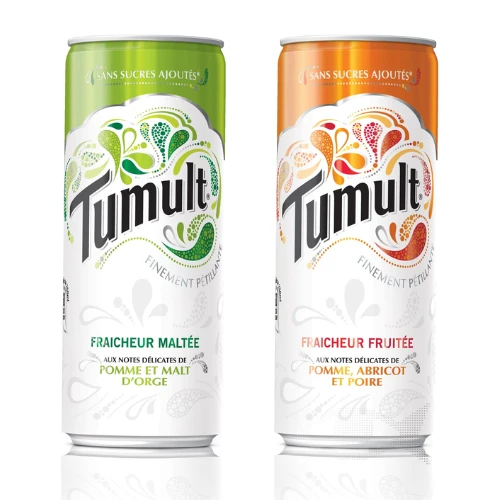
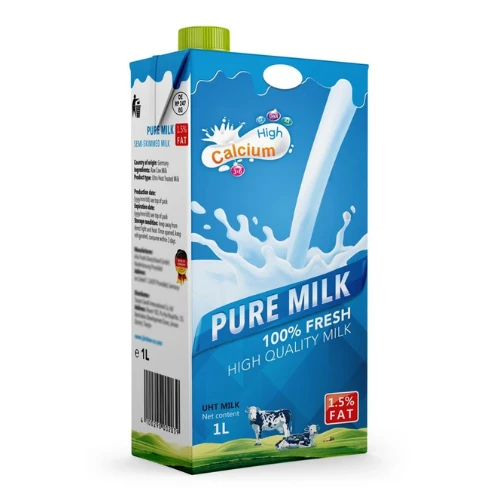
b) Food & Beverage Industry
Food packaging directly impacts appetite appeal. Starting from colours, textures, photography, and typography. All of these truly influence whether products feel indulgent, healthy, premium, or fun.
In many cases, customers buy food products simply because the packaging makes them crave the experience.
Source: https://in.pinterest.com/
Source: https://in.pinterest.com/
Source: https://in.pinterest.com/
Source: https://in.pinterest.com
c) Personal Care & Cosmetics
Beauty products are heavily emotion-driven purchases. Packaging affects how luxurious, trendy, effective, or trustworthy a product feels before customers even try it.
And in cosmetics especially, visual aesthetics strongly influence buying behaviour.
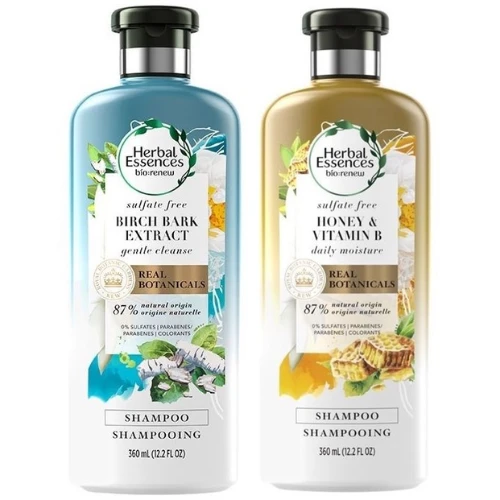
Source: https://in.pinterest.com/
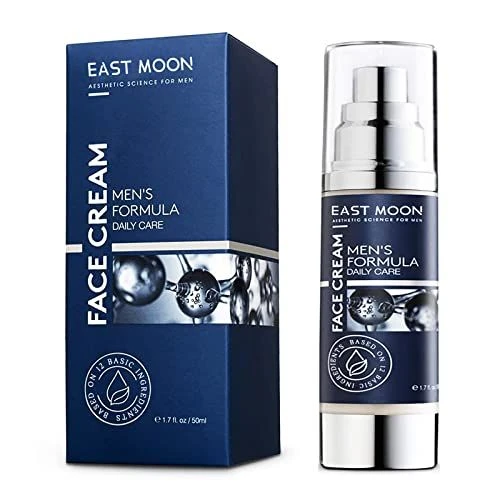
Source: https://in.pinterest.com/
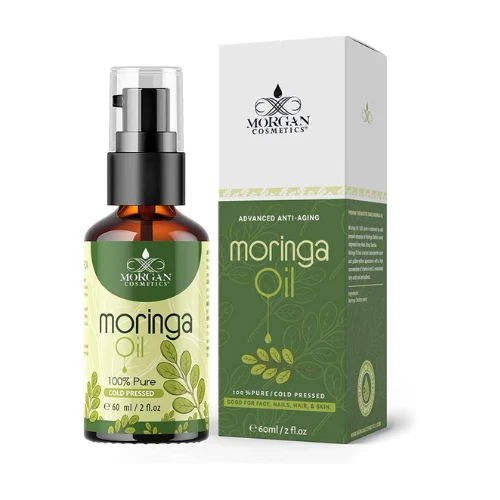
Source: https://in.pinterest.com/
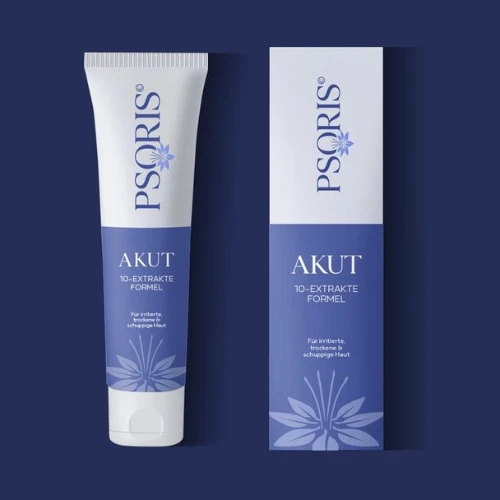
Source: https://in.pinterest.com
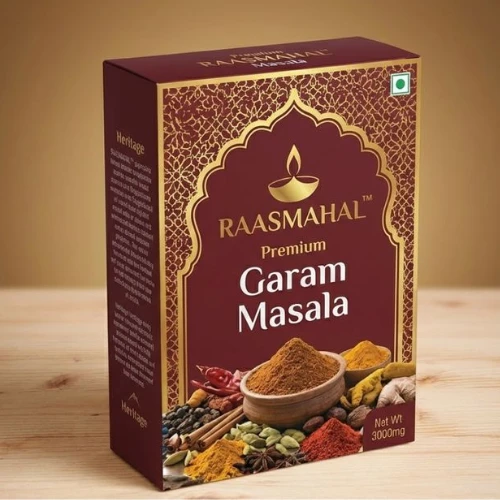
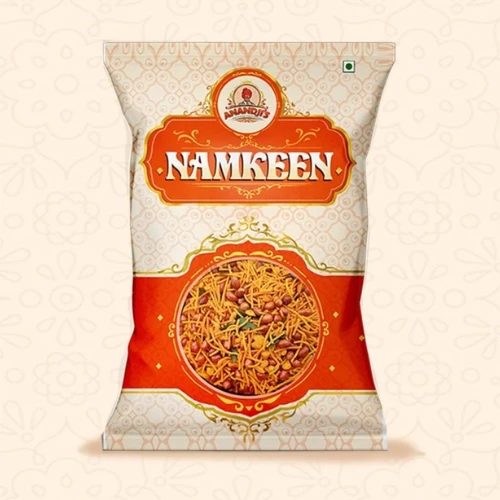
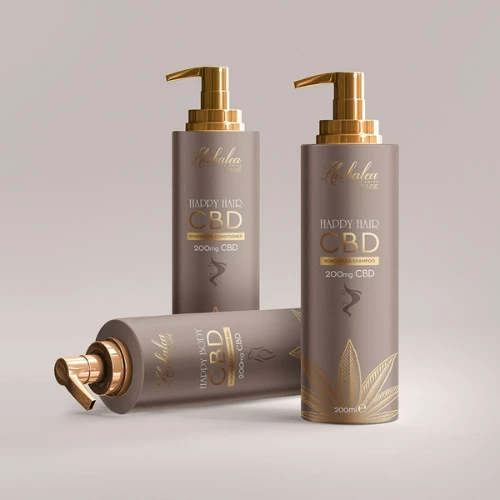
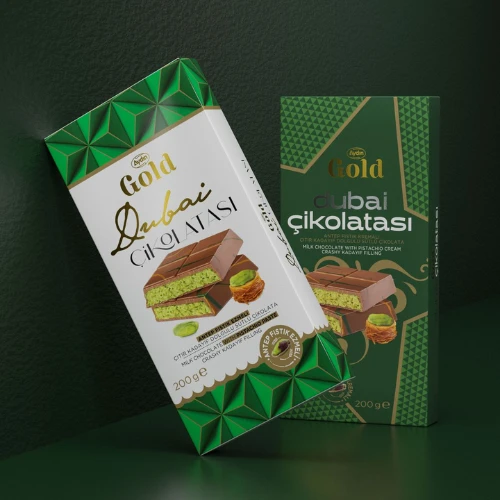
d) Local Indian Brands vs Premium Brands
Today, even smaller Indian brands are using packaging strategically to compete against larger established players. Good packaging helps local brands feel more modern, premium, and shelf-ready without requiring massive advertising budgets.
And honestly, smart design expertise is helping many emerging brands punch far above their weight.
Source: https://in.pinterest.com/
Source: https://in.pinterest.com/
Source: https://in.pinterest.com/
Source: https://in.pinterest.com
How to Actually Test Whether Your Packaging Triggers Impulse Buying?
Here’s something many brands forget:
Packaging decisions shouldn’t be based only on personal preference.
Real testing really matters here. Here’s how you can actively test your next packaging design to make the most out of it.
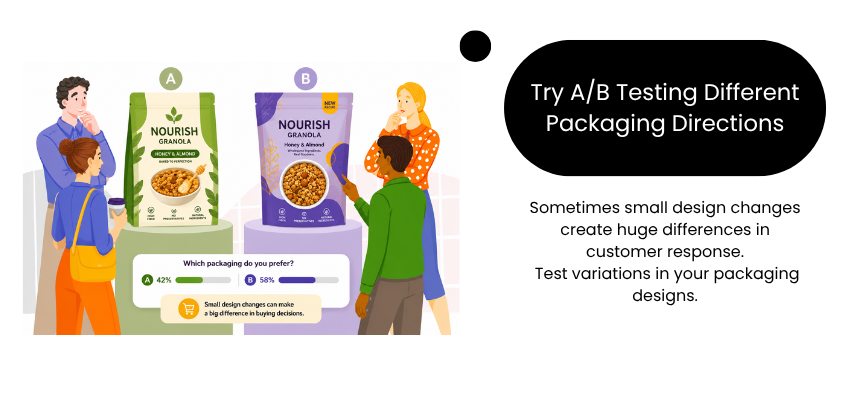
i) Try A/B Testing Different Packaging Directions
Sometimes small design changes create huge differences in customer response.
Test variations in your packaging designs with:
1. Color palettes
2. Typography
3. Layout structure
4. Product imagery
5. Messaging hierarchy
You will surely discover some really surprising consumer preferences that wouldn’t be obvious otherwise.
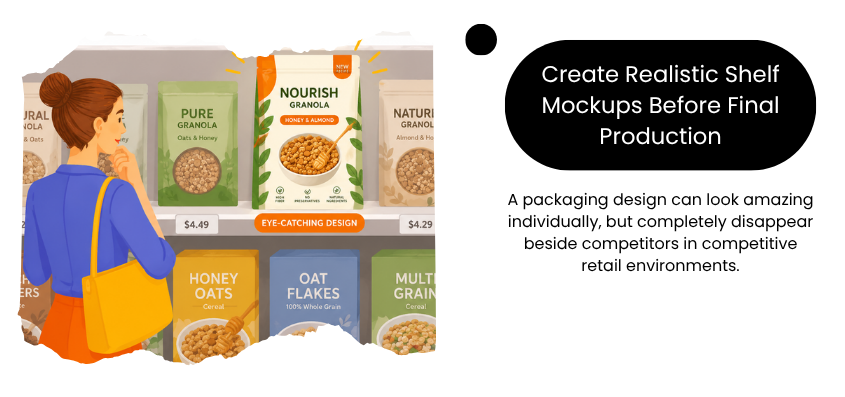
ii) Create Realistic Shelf Mockups Before Final Production
A packaging design can look amazing individually, but completely disappear beside competitors in competitive retail environments.
That’s why shelf testing is so important!
Place your packaging designs within different realistic retail setups and carefully observe these aspects:
1. Visibility
2. Readability
3. Contrast against competitors
4. Price justification
Because shelf performance is way more important than just isolated aesthetics. This is one of the best ways to boost your packaging marketing strategies in real time!
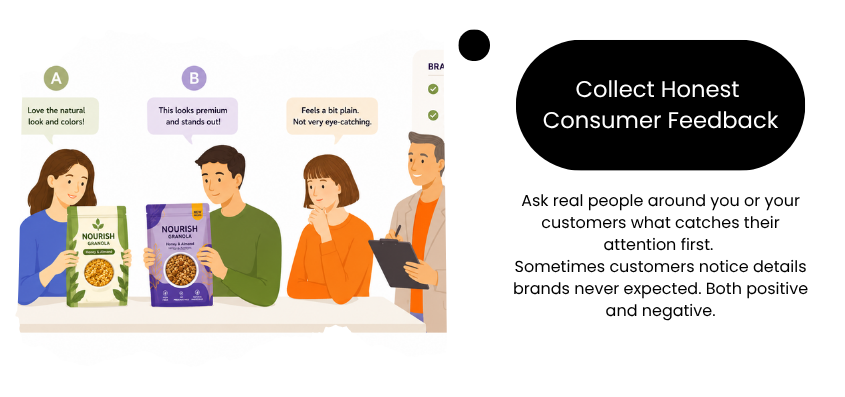
iii) Collect Honest Consumer Feedback
Ask real people around you or your customers what catches their attention first.
Sometimes customers notice details brands never expected. Both positive and negative.
Understanding these reactions can actually help you improve your packaging strategically instead of emotionally.
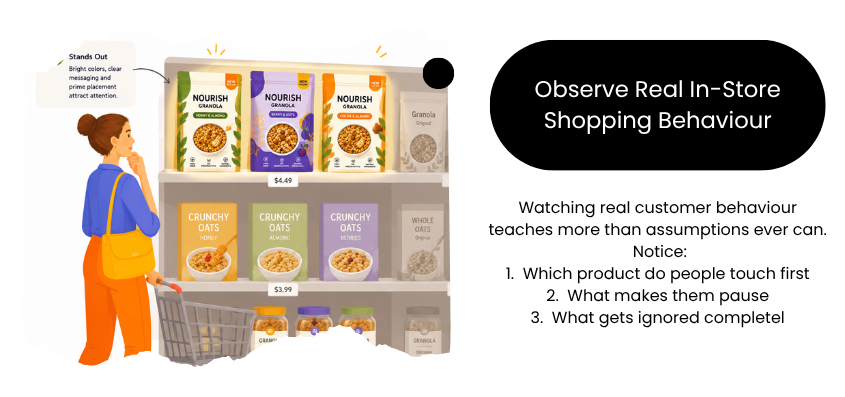
iv) Observe Real In-Store Shopping Behaviour
Watching real customer behaviour teaches more than assumptions ever can.
Notice:
1. Which product do people touch first
2. What makes them pause
3. What gets ignored completely
These observations truly reveal some of the most practical insights about what actually influences impulse buying in real retail situations. Observe and leverage them in the right way!
Final Thoughts:
Today, packaging does so much more than protect products.
It attracts attention. Builds emotional connection. Creates curiosity. Communicates value.
And most importantly, it influences buying decisions in seconds!
The brands winning on shelves understand that packaging is not decoration. It’s a carefully designed packaging marketing strategy.
At DesignerPeople, we create packaging designs that don’t just look attractive but actually perform well in competitive retail environments. From shelf visibility to impulse buying psychology, we help brands design packaging that always gets noticed, remembered, and picked up.
Thus, connect with our expert packaging designers right now. Because in modern retail, the right packaging doesn’t just sit quietly on shelves anymore. It actively sells.
Author: Anush Malik

Being a strategist’s head and a long term visionary personality aims to achieve excellence in branding, packaging and digital marketing field. My 22 years of design experience and masters degree is my strength which keeps me motivated and keep me going positively. I have participated in extensive branding design conquests in India, USA, Australia and New Zealand with winning zeal. My objective is to encourage start-ups and hence involves actively in the articles which will act as a productive intake of knowledge for them. Do connect me personally via my LinkedIn and I love to share my expertise with you.