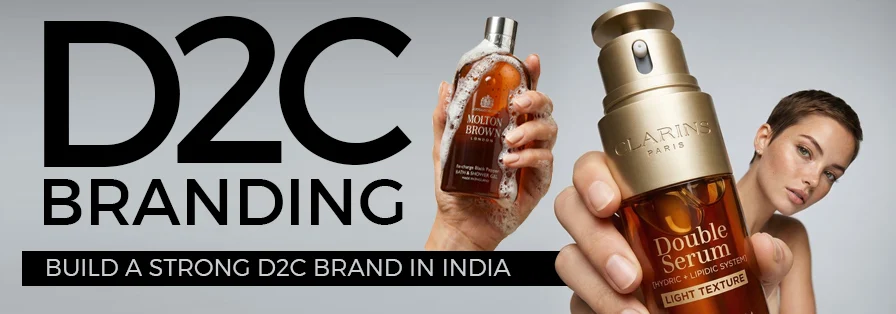

Walk into any Indian household today, and you will surely spot at least one D2C brand on the bathroom shelf, in the kitchen, or buzzing on someone’s phone through an Instagram ad. From skincare to snacks, fashion to fitness, D2C brands are everywhere and for good reason!
At its core, D2C (Direct-to-Consumer) branding means cutting out the middlemen and building a direct relationship with your customer. No distributors controlling margins. No retailers deciding how your product looks on a shelf. Just your brand, your story, and your audience, always unfiltered!
What’s changed in India is the ecosystem! Affordable internet, UPI-powered payments, social commerce, and a growing trust in Indian homegrown brands have created the perfect storm. But here’s the truth most blogs won’t tell you: having a good product isn’t enough anymore. Yes, that’s right!
The brands winning today and in 2026 are winning only because they have now mastered D2C branding, not just logistics! Want to learn more about it? Let’s break it all down!
Table of Contents
Why D2C Branding Is Exploding in India (And What New Brands Must Learn for 2026)
D2C isn’t booming because it is trendy. It is booming because India is finally ready for it!
a) Internet, Smartphones & Digital Payments Changed the Game
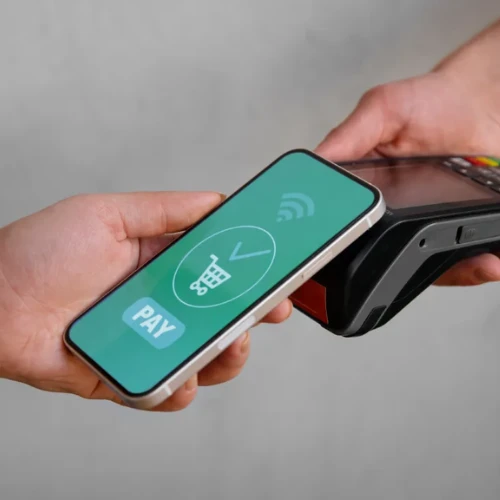
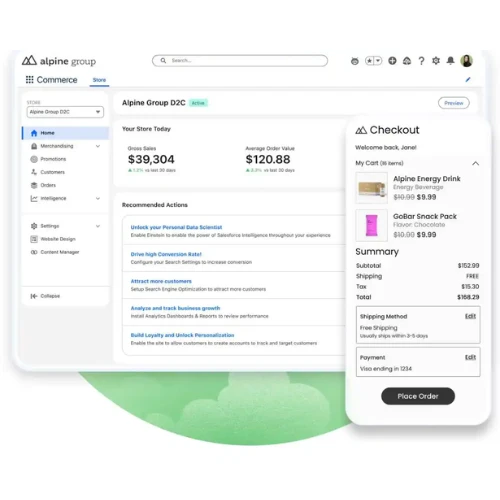
India didn’t just adopt the internet. It sprinted with it. Cheap data plans, smartphone penetration even in Tier 2 and Tier 3 cities, and UPI have removed friction from online buying. Today, discovering a brand, trusting it, and paying for it can all happen in under 60 seconds. It’s that quick!
For D2C brands, this means your branding shows up before your product does. Your website, packaging, Instagram feed, and tone of voice now do the selling.
Source:https://www.google.com/

Source:https://www.google.com/
Source:https://www.google.com/
Source: https://www.google.com/
b) Marketplaces + Social Commerce = Brand Visibility on Steroids
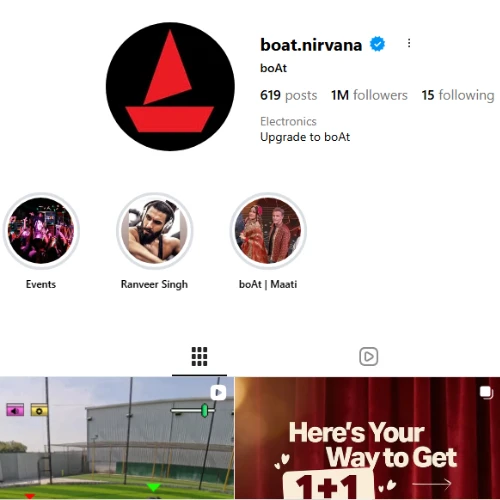
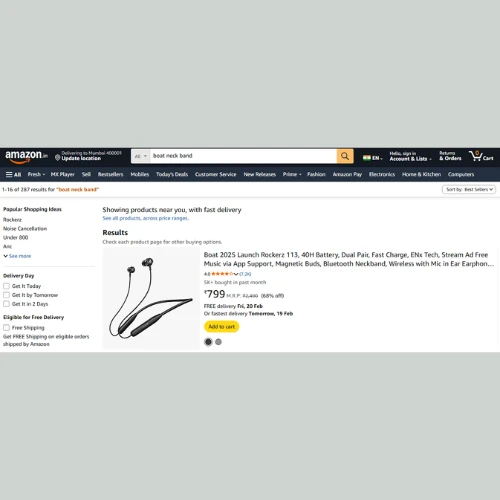
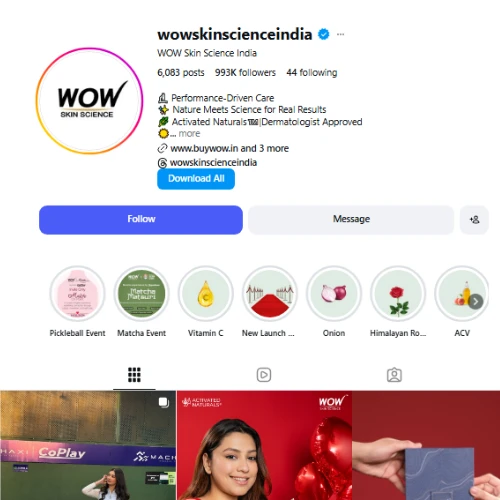
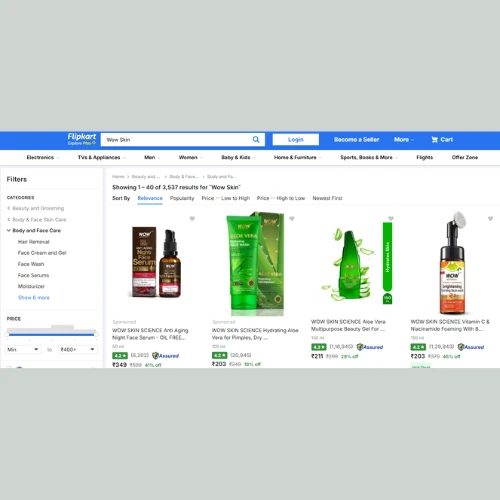
Amazon and Flipkart gave D2C brands the much-needed reach they deserved. Instagram, YouTube, and WhatsApp gave them the right personality to showcase. Social commerce lets brands sell through reels, stories, live sessions, and even DMs nowadays. Brands have endless opportunities now. The brands winning here aren’t only shouting discounts. They are more focused on building vibes!
Source:https://www.google.com/
Source:https://www.google.com/
Source:https://www.google.com/
Source: https://www.google.com/
c) Indian Consumers Are Finally Trusting Indian Brands
Indeed, there was a time when “foreign brand” automatically meant better quality. Honestly? Not anymore! Why?
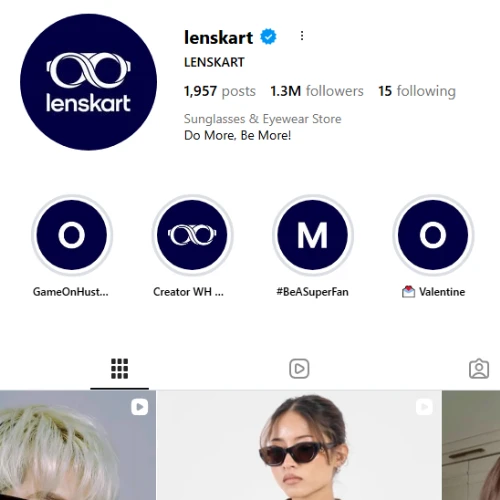
Indian consumers now actively seek brands that feel local, authentic, and aligned with their values. The shift is very evident now. Starting from clean ingredients, ethical sourcing, and regional relevance to honest pricing, all of these matter a lot now!

Source:https://www.google.com/
Source:https://www.google.com/
Source:https://www.google.com/
Source: https://www.google.com/
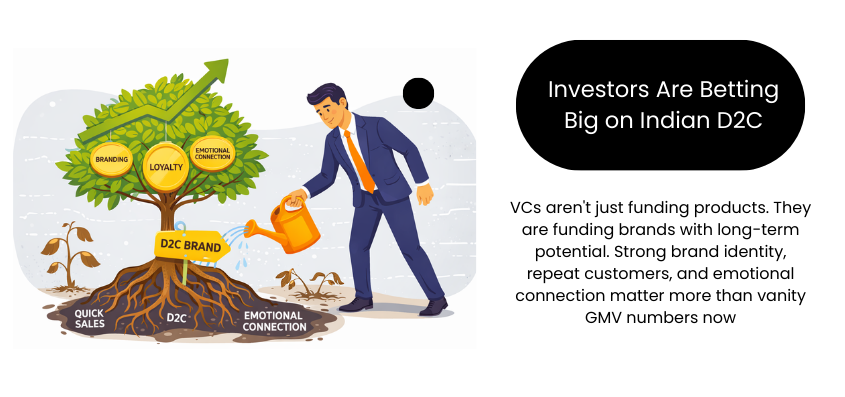
d) Investors Are Betting Big on Indian D2C
VCs aren’t just funding products. They are funding brands with long-term potential. Strong brand identity, repeat customers, and emotional connection matter more than vanity GMV numbers now! This is so important to consider!
2026 takeaway: D2C brands that actually think about long-term branding (not short-term sales hacks) will survive. The rest will burn money and disappear!
D2C Branding Strategies That Turn Small Startups into Cult Brands
This is the section where most D2C blogs stay surface-level. In reality, cult brands aren’t really built overnight or through one viral campaign. They are built through consistent, intentional branding decisions across every customer touchpoint!
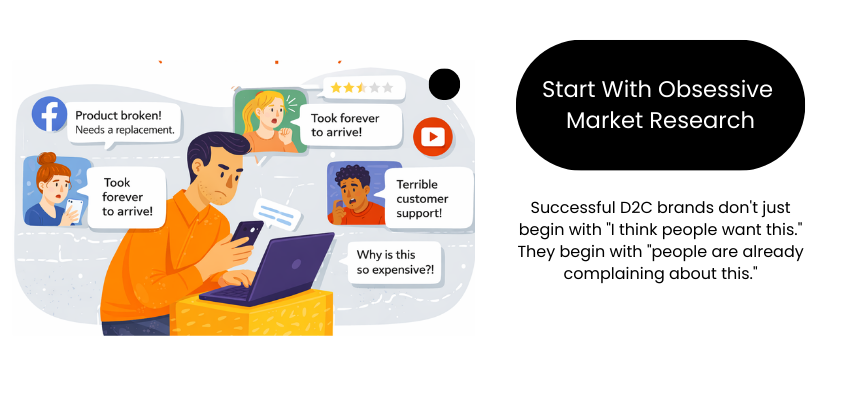
1. Start With Obsessive Market Research (Not Assumptions)
Successful D2C brands don’t just begin with “I think people want this.” They begin with “people are already complaining about this.” Real market research goes beyond surveys and reports. It lives in Amazon reviews, Instagram comments, Reddit threads, YouTube unboxings, and even customer DMs!
Smart founders spend weeks understanding why customers are unhappy with existing brands. Are the labels confusing? Poor packaging? Inconsistent quality? Slow delivery? These insights directly shape your brand messaging, tone, and product promise. The stronger your research, the easier your branding decisions become later!
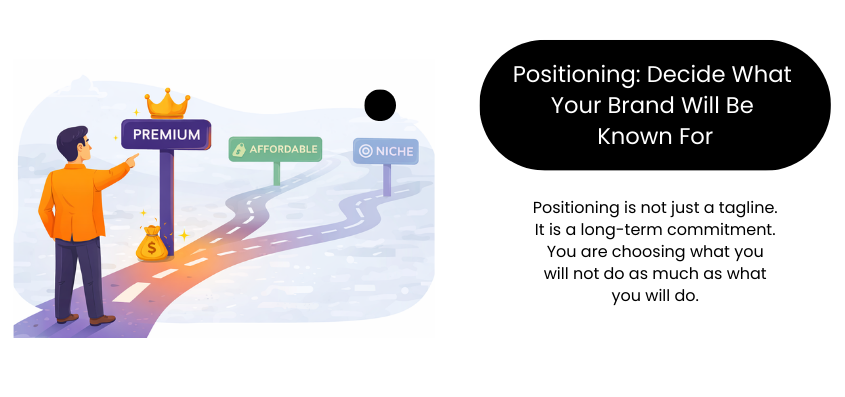
2. Positioning: Decide What Your Brand Will Be Known For
Positioning is not just a tagline. It is a long-term commitment. You are choosing what you will not do as much as what you will do. Will you be premium or affordable? Educational or playful? Mass-market or niche?
Clear positioning ensures consistency across all your brand ads, packaging, influencer choices, and even customer support tone. Brands that actually skip this step often feel “all over the place” and struggle to build recall, no matter how good their product is.
3. Naming, Logo & Visual Identity (Where First Impressions Are Made)
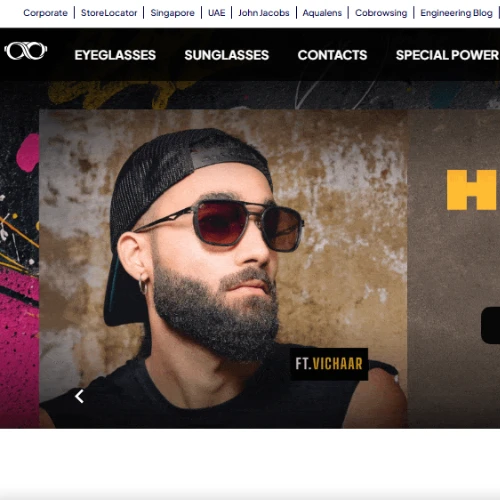
In the D2C world, branding is often discovered on a phone screen, not a physical shelf. Your name needs to be memorable, searchable, and easy to pronounce across regions. Visual identity, like colours, typography, and iconography, must instantly communicate your personality.
Good design doesn’t scream for attention; it feels right for your audience. When done well, customers quickly recognise your brand even without seeing the logo!
Source:https://www.google.com/
Source:https://www.google.com/
Source:https://www.google.com/
Source: https://www.google.com/
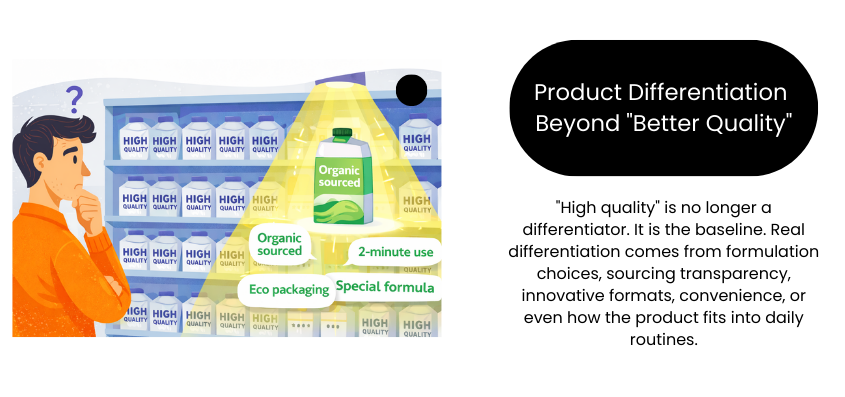
4. Product Differentiation Beyond “Better Quality”
“High quality” is no longer a differentiator. It is the baseline. Real differentiation comes from formulation choices, sourcing transparency, innovative formats, convenience, or even how the product fits into daily routines!
Strong branding highlights these differences clearly and repeatedly. If customers can’t really explain why your product is different in one sentence, your differentiation isn’t strong enough yet!
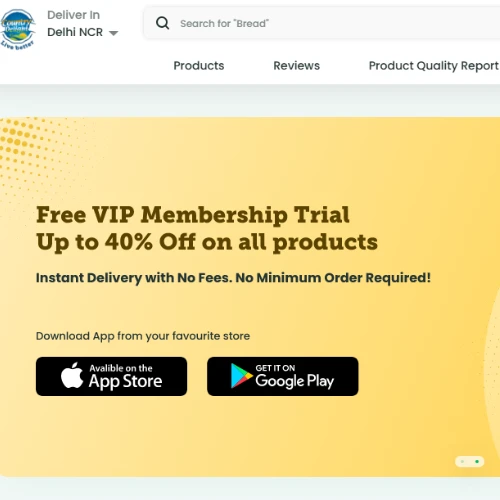
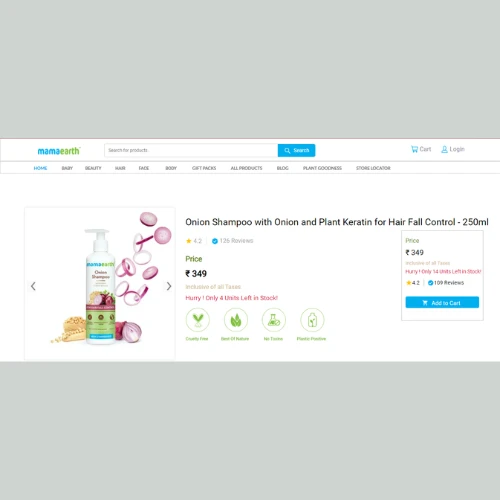
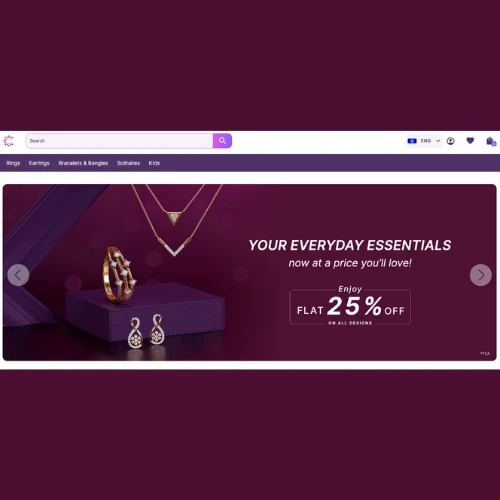
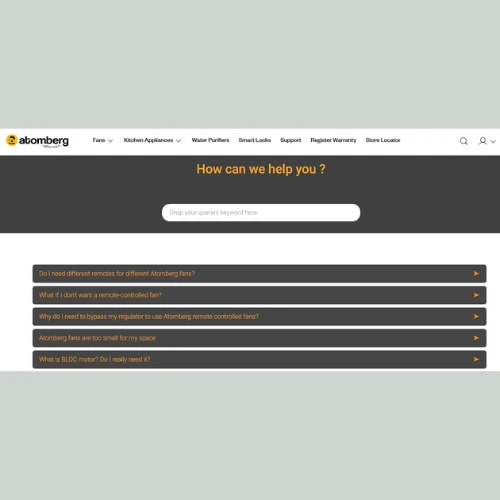
5. Website & E-commerce Experience That Converts
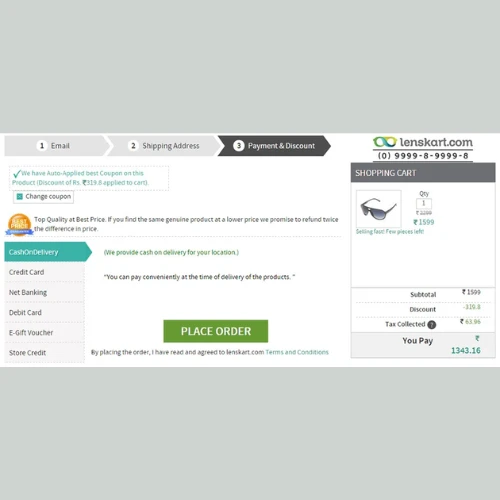
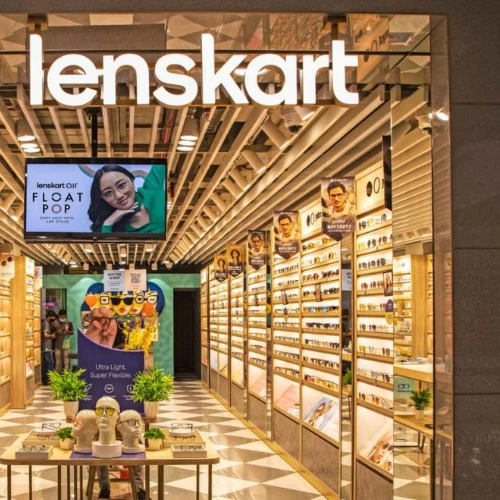
Your website is where trust is either built or broken. Beyond aesthetics, customers now notice loading speed, product clarity, reviews, FAQs, return policies, and checkout simplicity!
The best D2C websites now feel absolutely effortless. Easy for the novice! They guide users naturally, right from discovery to purchase, while reinforcing brand values at every step!
Source:https://www.google.com/
Source:https://www.google.com/
Source:https://www.google.com/
Source: https://www.google.com/
6. Performance Marketing Without Killing the Brand
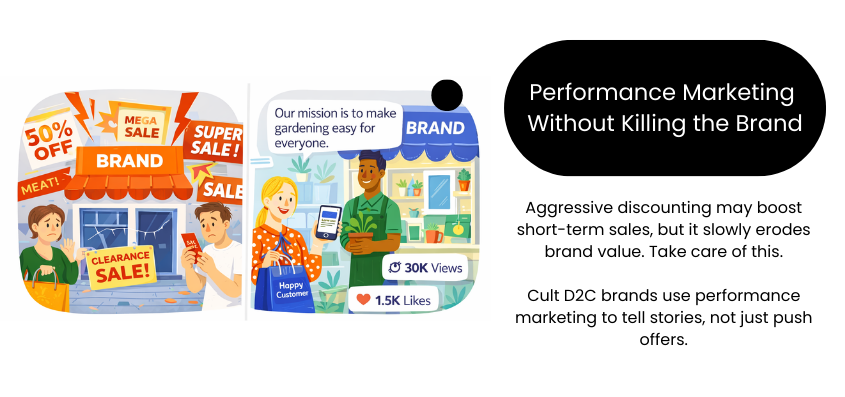
Aggressive discounting may boost short-term sales, but it slowly erodes brand value. Take care of this.
Cult D2C brands use performance marketing to tell stories, not just push offers.
You don’t really want to sound like an ad machine, right? Great ads always communicate lifestyle, emotion, and relatability alongside conversion hooks. Over time, this creates recall that reduces dependence on paid ads!
7. Retention Is Where Real Profits Live
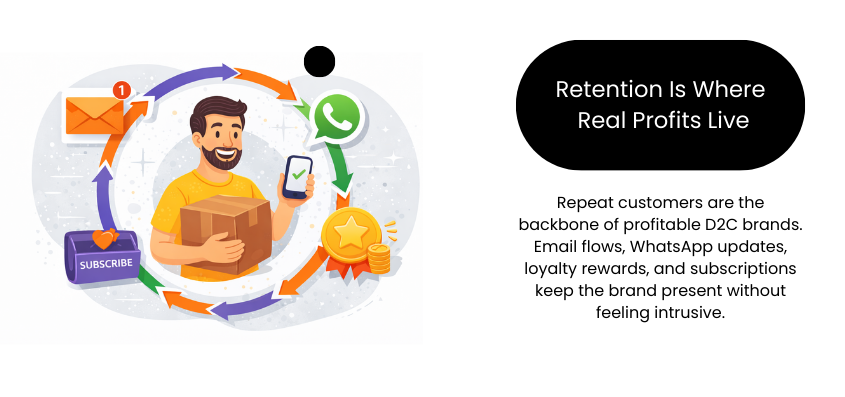
Repeat customers are the backbone of profitable D2C brands. Email flows, WhatsApp updates, loyalty rewards, and subscriptions keep the brand present without feeling intrusive.
Retention-focused brands listen carefully to feedback and make customers feel seen. Not just sold to.
8. Community Building > Followers
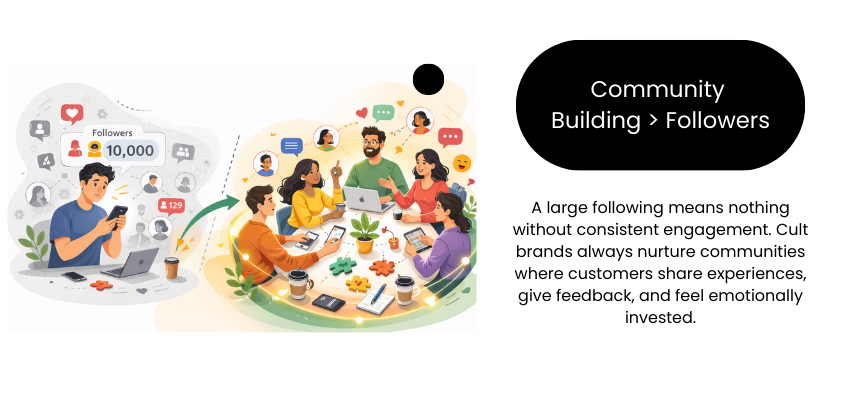
A large following means nothing without consistent engagement. Cult brands always nurture communities where customers share experiences, give feedback, and feel emotionally invested.
Communities turn customers into brand defenders. Something no ad budget can buy! Time to prioritise this now!
9. Social Media That Feels Human
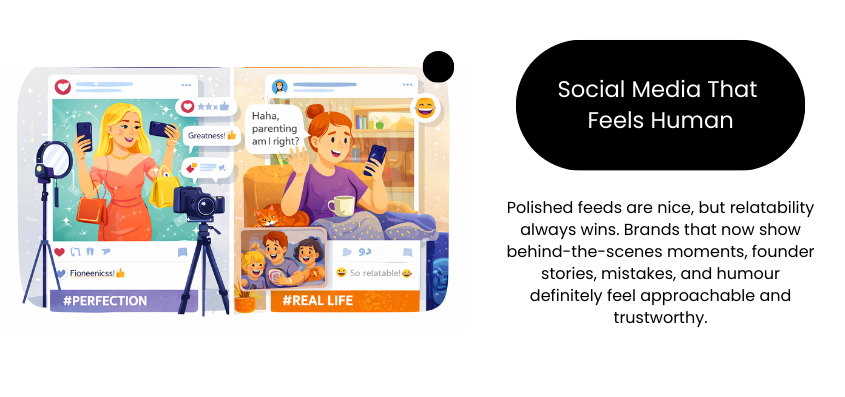
Polished feeds are nice, but relatability always wins. Brands that now show behind-the-scenes moments, founder stories, mistakes, and humour definitely feel approachable and trustworthy.
People only follow brands that behave like people.
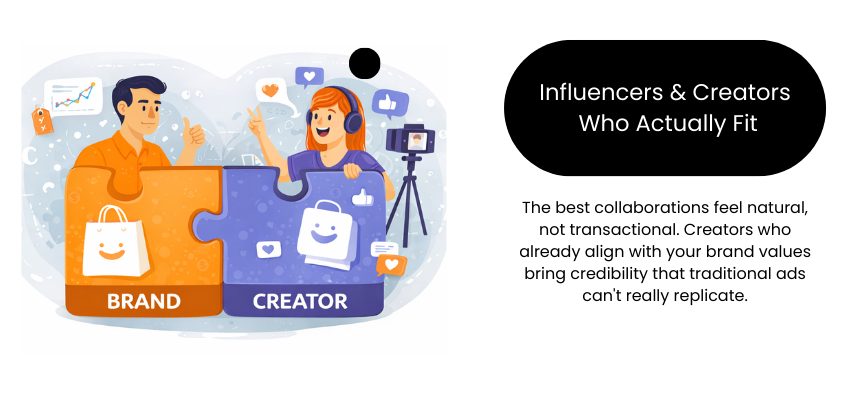
10. Influencers & Creators Who Actually Fit
The best collaborations feel natural, not transactional. Creators who already align with your brand values bring credibility that traditional ads can’t really replicate.
Authenticity always outperforms scale. So, choose the right creators and influencers to showcase your brand.
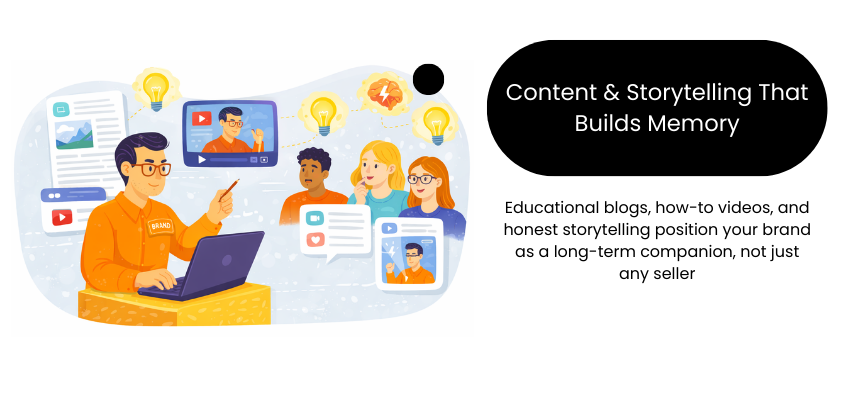
11. Content & Storytelling That Builds Memory
Educational blogs, how-to videos, and honest storytelling position your brand as a long-term companion, not just any seller. Content definitely builds trust even before the first purchase.
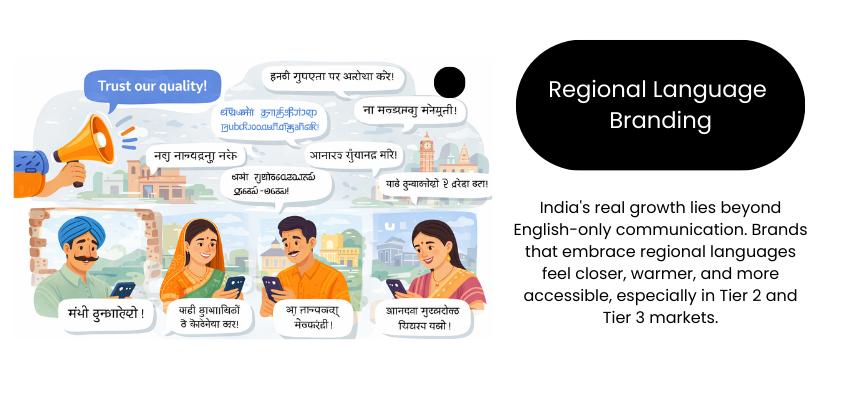
12. Regional Language Branding = Untapped Goldmine
India’s real growth lies beyond English-only communication. Brands that embrace regional languages feel closer, warmer, and more accessible, especially in Tier 2 and Tier 3 markets!
Indian D2C Brands That Nailed Branding (And Why It Worked)
India’s most successful D2C brands didn’t just win by accident. They invested deeply in branding from day one. How? Let’s decode some popular Indian D2C brands together!
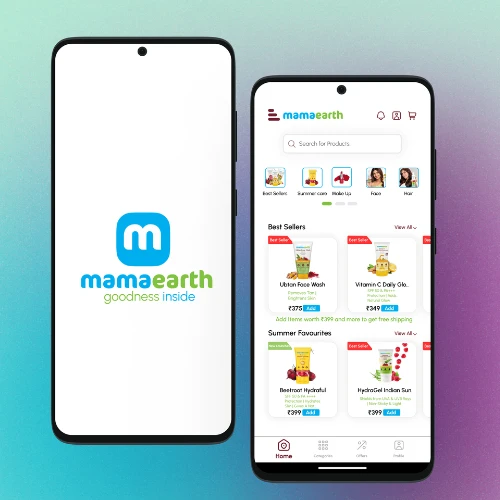
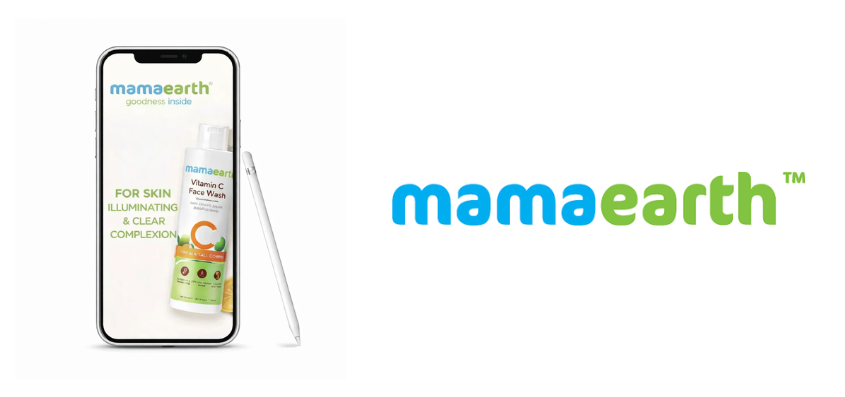
i) Mamaearth
Mamaearth tapped into a powerful emotional insight—modern parents want safe, toxin-free products without confusion or fear. Their branding focused on transparency, ingredient education, and parental trust.
Every touchpoint, right from the packaging design to influencer partnerships, reinforced the same promise. The result? They now have a strong brand that actually feels so reassuring, relatable, and responsible!
ii) boAt
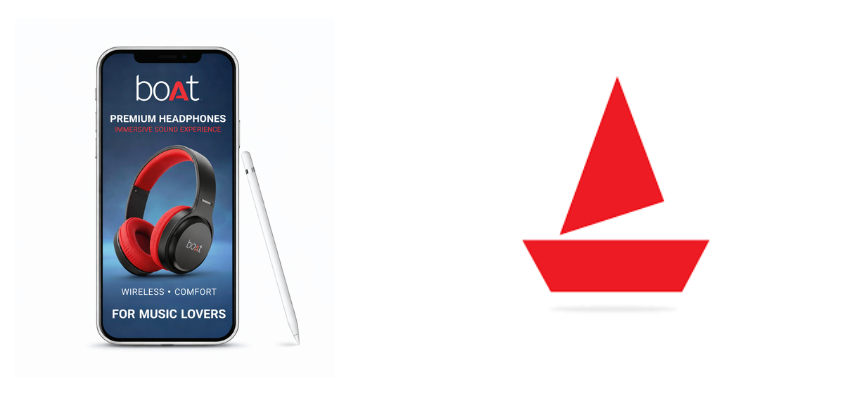
boAt didn’t really market earphones. It marketed an attitude. Their bold visuals, youth-focused tone, and strong pop-culture presence positioned them as a lifestyle brand rather than just any random gadget company out there.
By building a strong emotional connection with young consumers, boAt achieved massive loyalty in an otherwise commoditised category!
iii) Licious
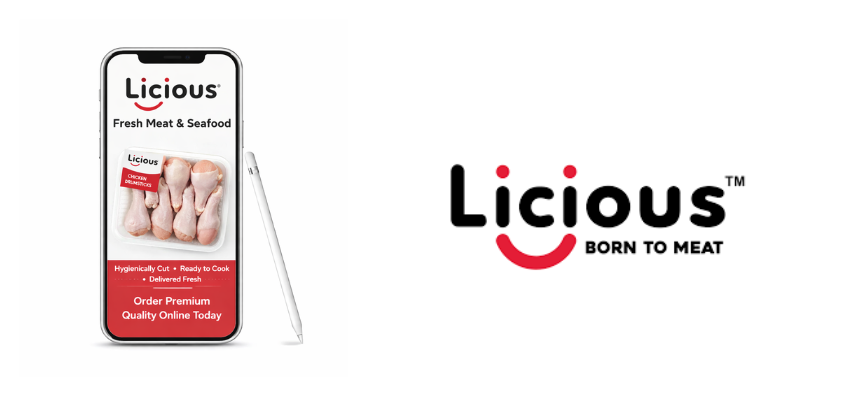
Selling meat online in India wasn’t really easy. Licious overcame hesitation through premium branding, cleanliness-focused messaging, and consistent quality assurance.
Their branding transformed a core sensitive category into such a convenient, aspirational experience, proving that trust-led branding can unlock even the toughest markets in the best way!
How a Professional Branding Agency Accelerates D2C Growth?
Many D2C founders try to manage branding themselves and that’s okay at the start. But as the business grows, inconsistent branding becomes expensive. Even a major reason for their downfall!
A professional branding agency brings outside perspective and strategic discipline. They connect consumer insights with design, messaging, and long-term growth plans. Here’s how:
a) Research-backed strategy
Agencies rely on data, audits, and competitive analysis. Not random assumptions. This reduces costly trial-and-error decisions!
b) Cohesive visual identity & packaging
From website to packaging to ads, everything looks and feels truly connected and genuine. Not forced! This consistency actually builds instant recognition and trust.
c) Faster launch and scalable brand systems
Agencies create brand systems that actually grow with you. This makes your future launches smoother, faster and way more profitable!
d) Long-term brand positioning support
Instead of just reacting to trends, agencies help brands stay relevant while protecting their core identity!
For D2C brands aiming for scale, professional branding isn’t an expense. It is now a growth accelerator.
Final Thoughts:
D2C branding in India isn’t only about chasing trends or copying competitors anymore. Time to let go of this common notion.
It is now all about building trust, relevance, and emotional connection in a crowded digital world. Your products can be replicated really quickly. Prices can be undercut. But strong brands? They last for years!
If you are serious about building a D2C brand that doesn’t just sell but scales, sticks, and stands out, partnering with experts makes all the difference your brand needs. Our branding experts at DesignerPeople help Indian D2C brands turn ideas into iconic brands through strategy-led branding, packaging, and digital experiences. So, if you are ready to build something meaningful (not just another Shopify store), contact us right away. It’s time to think bigger and build another sensational D2C brand together!
Author: Megha Malik

As a passionate entrepreneur and creative brand consultant with experience of 14 years in digital, branding and packaging industry, it is my honest effort to put my experiences and knowledge of industry towards readers. A chartered accountant by degree but a marketing personality in blood has motivated her to take in designing industry as a career. With her fun-loving personality and sharp branding skills, she is a great motivational speaker on her YouTube channel, an active member in various business channels offline as well as online. Do connect me personally via my LinkedIn and I love to share my expertise with you.