Walk into any supermarket out there or scroll through a popular online grocery app, and you will surely notice one thing instantly. Almost every brand out there is fighting for attention right now. In the CPG (Consumer Packaged Goods) world, packaging isn’t just holding your product anymore. It is now selling it, explaining it, and building trust within seconds!
Fast-growing CPG brands especially can’t really afford weak packaging. When customers are really spoilt for choice and patience is low, your design indeed becomes your loudest salesperson. From colour psychology and material choices to how your pack feels in your hand, everything sends a message.
The brands winning today aren’t necessarily the ones with the biggest budgets. But they are the ones with packaging that actually feels intentional, memorable, and consumer-first. That’s exactly what this guide will help you crack. Let’s get started!
Table of Contents
So… What Exactly Is CPG Packaging Design?
CPG packaging design is the art and strategy of creating packaging design for everyday consumer products. For example, food, beverages, personal care, household items, and wellness products. But it is not just about making things look pretty for the consumers.
Good CPG packaging balances visual appeal, functionality, compliance, and brand storytelling. It has to stand out on a crowded shelf, survive logistics, meet legal requirements, and still connect emotionally with the buyer.
So whether your product is sitting in a kirana store or featured on an e-commerce listing, the packaging should instantly answer three questions:
What is this? Why should I trust it? Why should I choose it over others?
That’s real CPG packaging design!
CPG Packaging Design Strategies That Actually Boost Sales in 2026
The rules of packaging are shifting fast, and brands that adapt early always win bigger. In 2026, successful Consumer Packaged Goods packaging is all about being clear, smart, sustainable, and emotionally engaging.
Consumers now want less clutter and more clarity. They don’t really want to decode your pack. They want instant understanding. Here are some smart moves you can incorporate in your next CPG packaging design.
a) Clean, Minimal Designs That Pop on Crowded Shelves
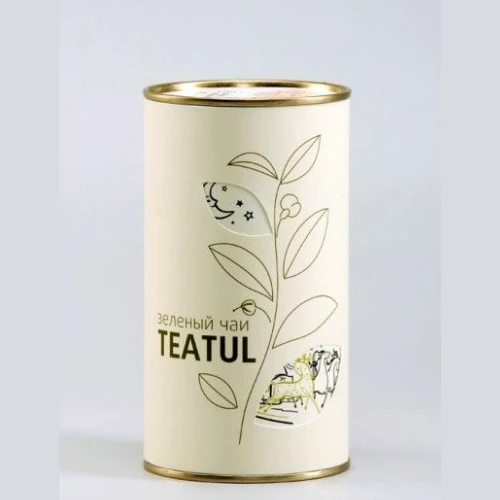
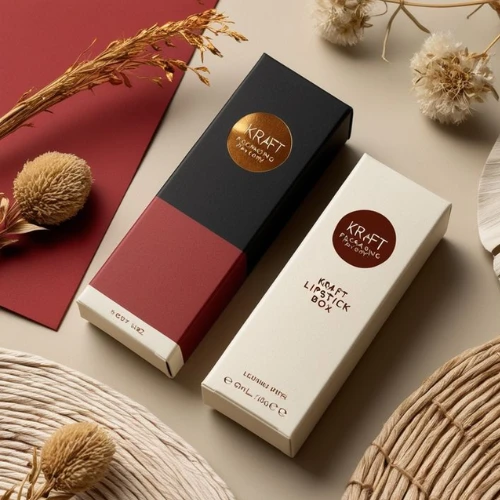
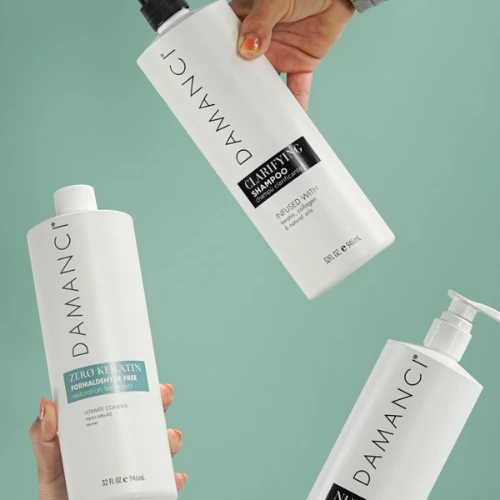
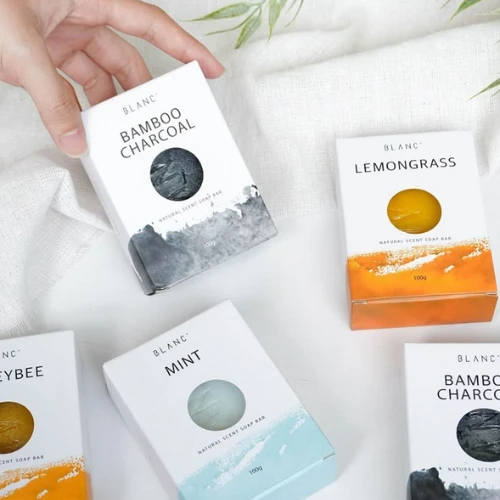
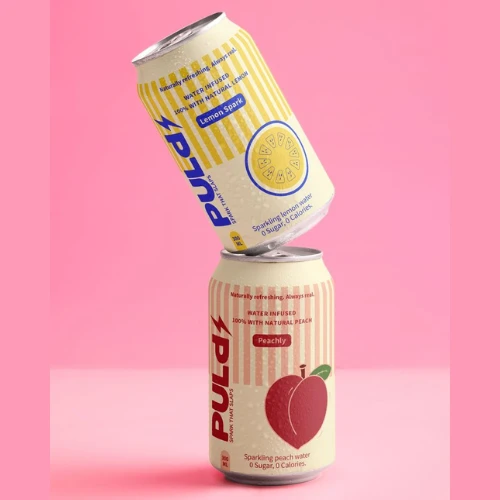
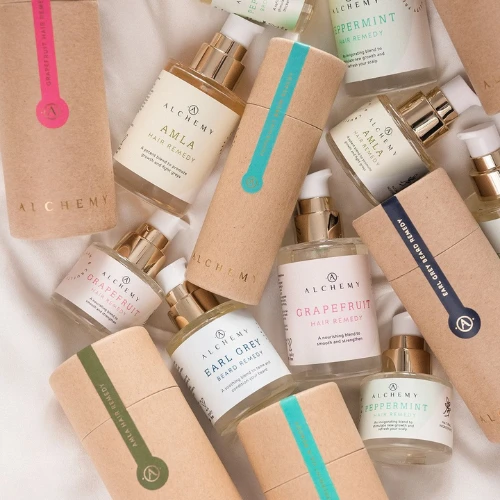
Minimalism works in Consumer Packaged Goods because shelves are chaotic. When every product is loud, the quiet ones stand out. Minimalist packaging strips away anything that doesn’t serve a purpose and focuses attention on what actually matters: Your product name, benefit, and brand identity!
This doesn’t really mean blank or dull packaging.
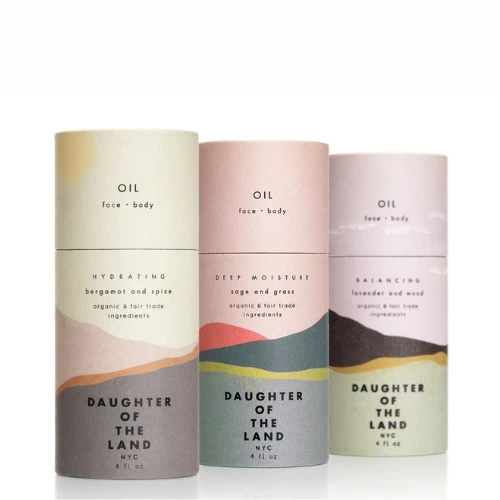
Strong minimalist designs always rely on confident typography, controlled colour palettes, and intentional spacing. A single bold colour paired with clean fonts often performs way better than complex visuals that overwhelm the eye.
For fast-growing brands, minimalism also helps with scalability. The same design system can be easily extended across SKUs without losing recognition!
Minimalist packaging also feels honest. Consumers always associate clean design with transparency, quality, and trust. This is the most important aspect in food, wellness, and personal care categories. When done right, it makes the product look premium without feeling overpriced!
Source: https://in.pinterest.com/
Source: https://in.pinterest.com//p>
Source: https://in.pinterest.com/
Source: https://in.pinterest.com
Source: https://in.pinterest.com/
Source: https://in.pinterest.com
b) Smart Packaging That Pulls Customers Into Your Brand World
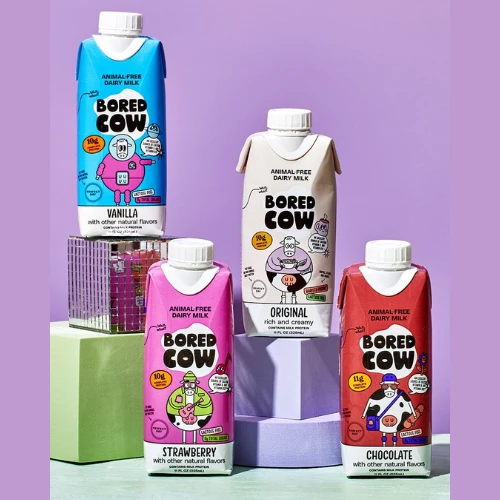
Smart packaging in 2026 is less about tech gimmicks and more about usefulness. QR codes work when they solve a real problem or add genuine value. Customers are happy to scan when they get something meaningful in return. Something like usage tips, sourcing stories, authenticity checks, or loyalty rewards!
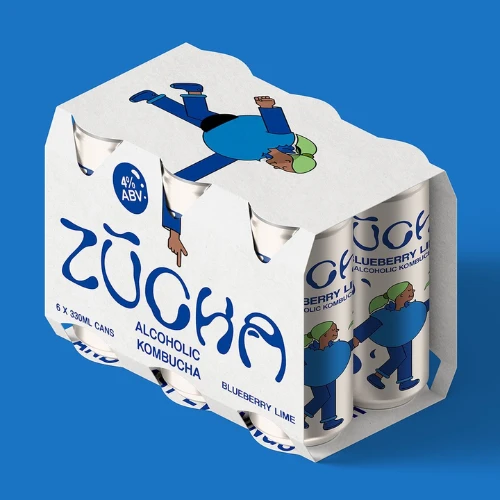
For new and growing CPG brands, QR-enabled packaging is a powerful storytelling tool. There is only so much information you can fit on a physical pack. A QR code lets you continue the conversation digitally without cluttering the design. It also helps brands educate customers without sounding pushy or salesy.
Another underrated benefit is data. Smart packaging allows brands to understand how, when, and where customers are engaging. These insights are incredibly valuable for refining marketing and product strategy!
Source: https://in.pinterest.com/
Source: https://in.pinterest.com//p>
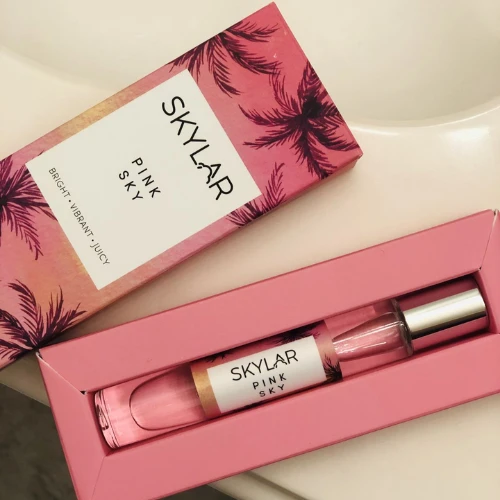
Source: https://in.pinterest.com/
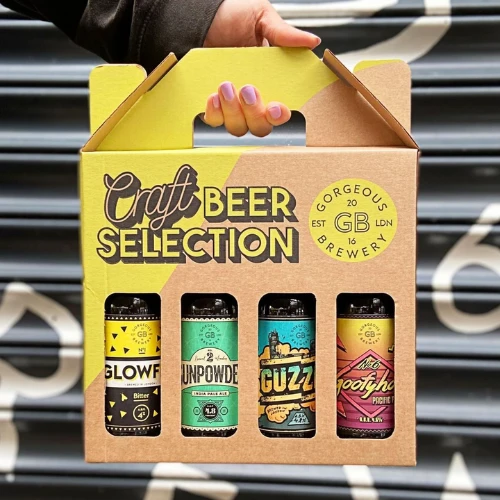
Source: https://in.pinterest.com
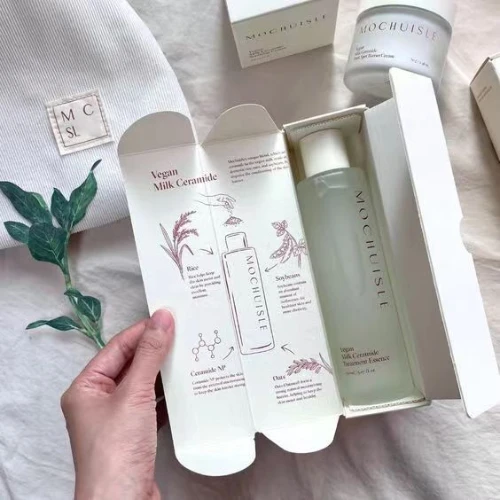
Source: https://in.pinterest.com/
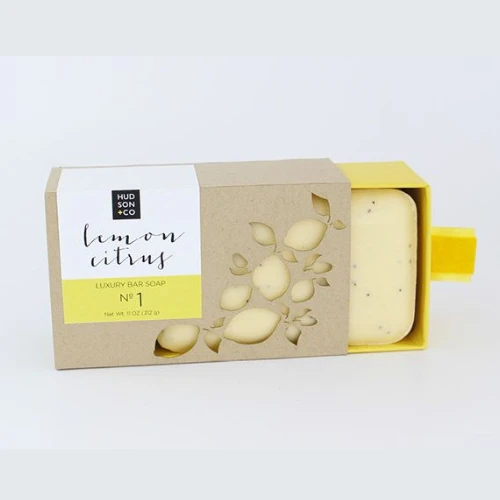
Source: https://in.pinterest.com
c) Sustainable Materials That Quietly Build Massive Trust
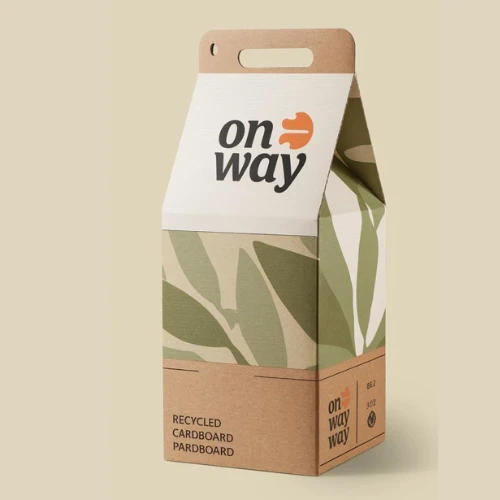
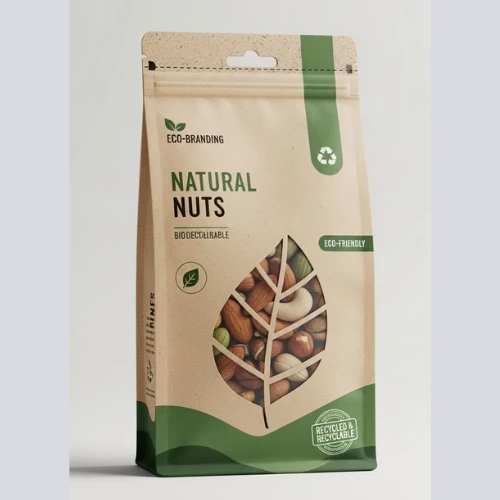
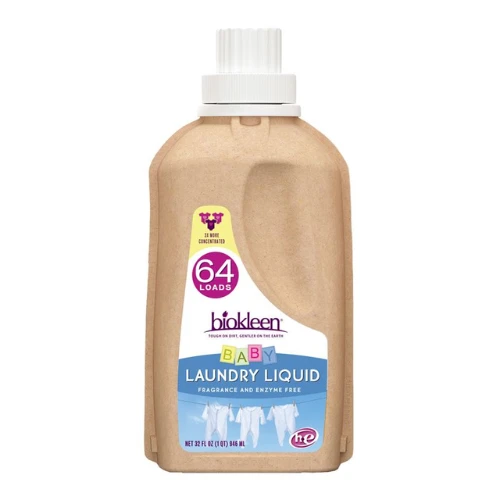
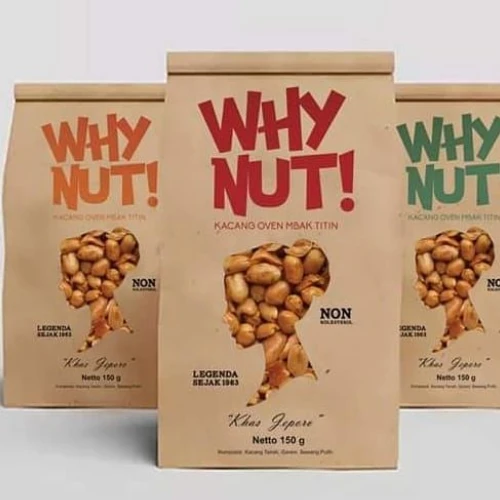
Sustainable packaging has moved beyond being a trend. In 2026, this is a massive trust signal. Consumers here now are actively checking what packaging is made of, how easy it is to ultimately recycle, and whether sustainability claims feel genuine or performative.
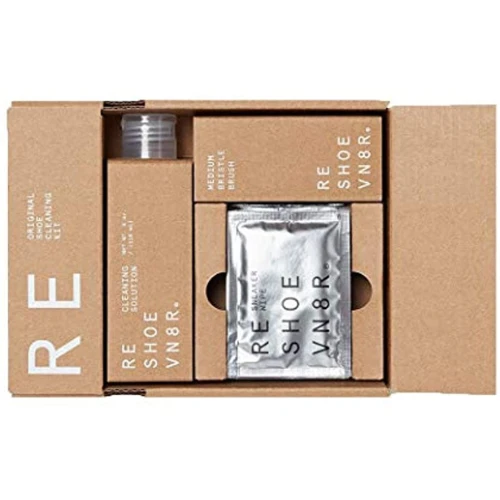
Using eco-friendly materials, such as recyclable paper, compostable films, refill packs, or reduced plastic, immediately positions your brand as responsible and future-focused.
But honesty is the ultimate key here. Simply overclaiming or vague green messaging from your brand can backfire. Clear, simple explanations work way better than those flashy eco badges!
For fast-growing brands, sustainable packaging also supports long-term scalability. Many retailers and marketplaces are now prioritising eco-conscious products, making sustainability not just ethical but also commercially smart!
Source: https://in.pinterest.com/
Source: https://in.pinterest.com//p>
Source: https://in.pinterest.com/
Source: https://in.pinterest.com
Source: https://in.pinterest.com/
Source: https://in.pinterest.com
d) Packaging That Works for Stores and Screens
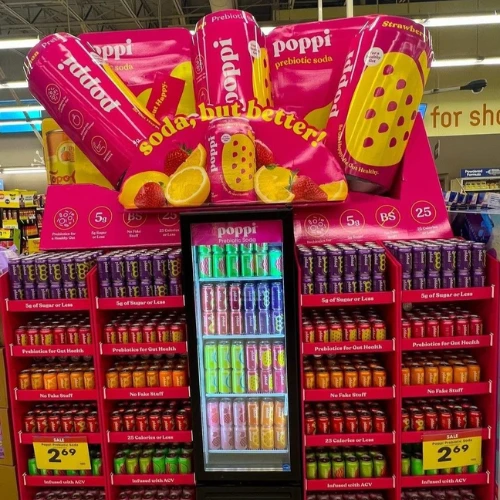
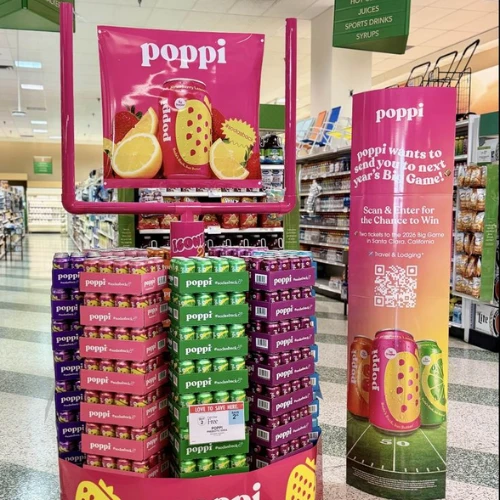
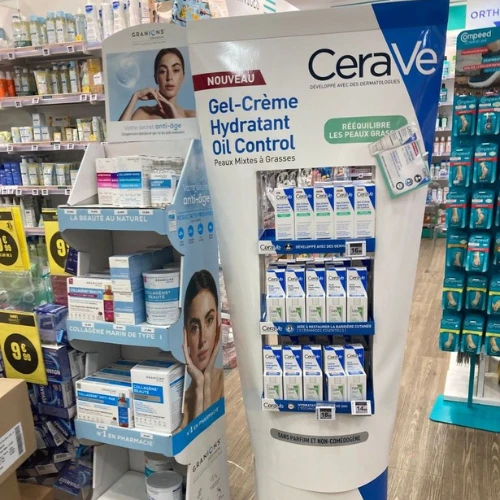
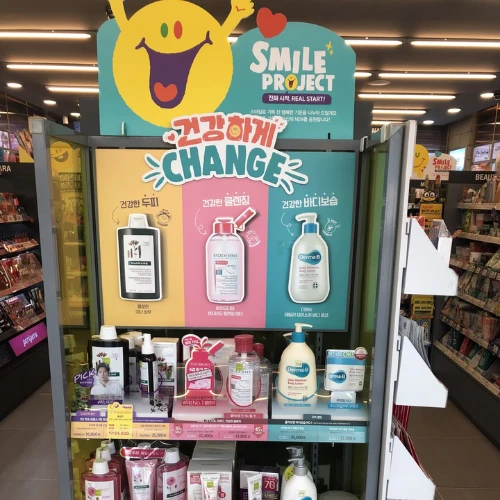
CPG packaging today has to perform in two very different environments, physical stores and digital platforms. A design that looks great on a shelf might completely disappear on a mobile screen if not planned properly.
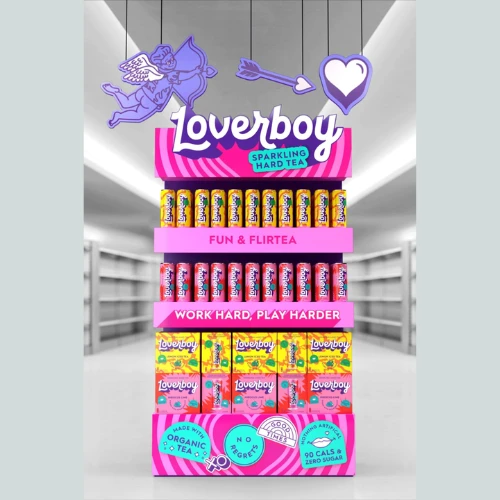
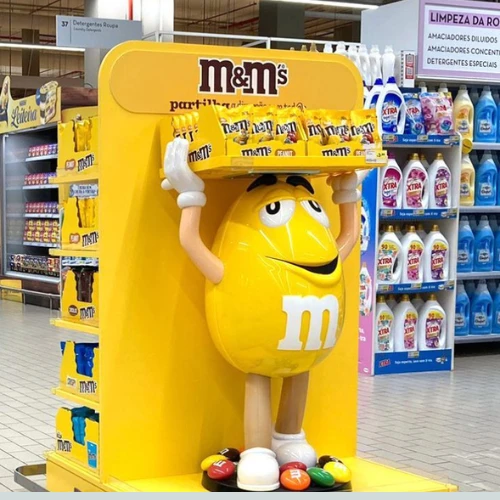
Retail-ready packaging focuses on shelf visibility, stackability, and durability. E-commerce-ready packaging always prioritises readability, contrast, and recognizability at small sizes. The best designs are created with both in mind from day one.
Clear product naming, strong colour contrast, and bold brand marks ensure that packaging stays effective whether someone is walking down an aisle or scrolling at midnight. This dual readiness is especially important for brands scaling across multiple sales channels!
Source: https://in.pinterest.com/
Source: https://in.pinterest.com//p>
Source: https://in.pinterest.com/
Source: https://in.pinterest.com
Source: https://in.pinterest.com/
Source: https://in.pinterest.com
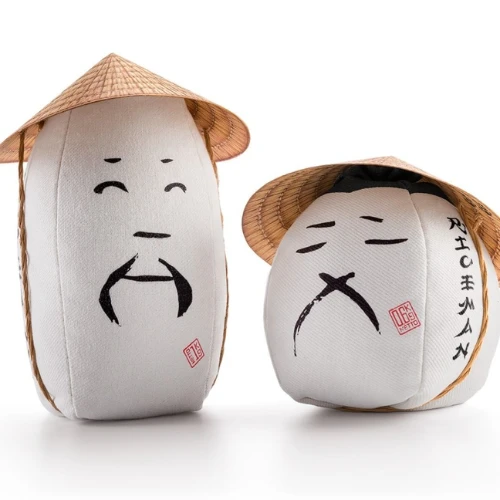
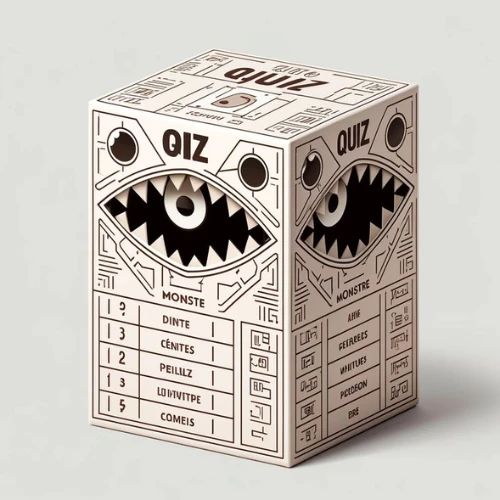
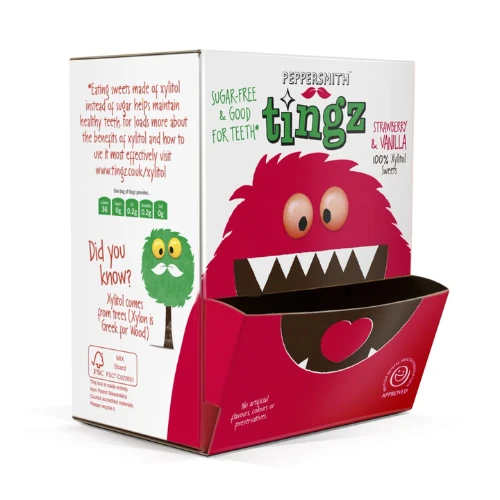
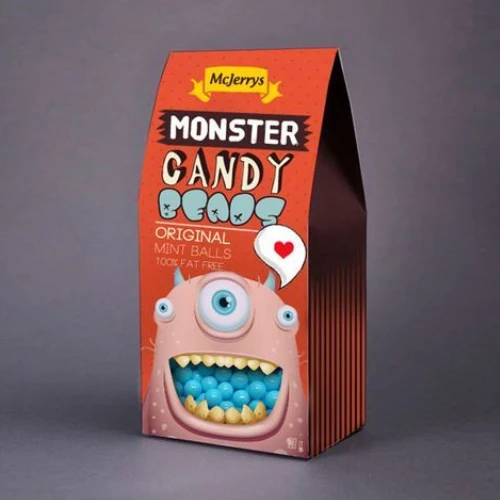
e) Visual Storytelling That Creates an Emotional Hook
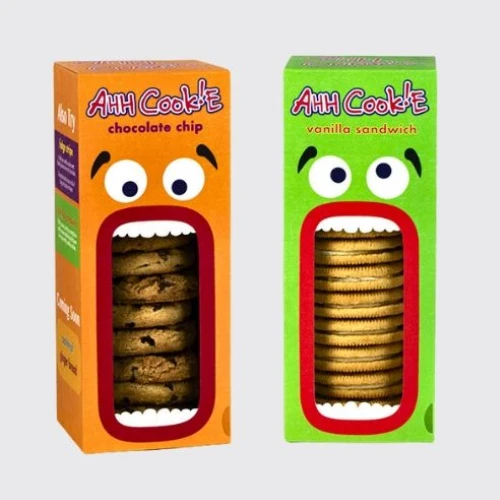
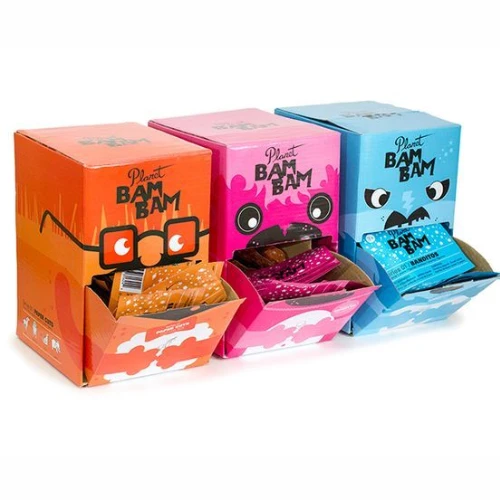
In crowded CPG categories, logic rarely wins. Emotion does. Packaging that makes someone feel something: comfort, excitement, nostalgia, and trust. All of these have a much higher chance of being picked up!
Visual elements like colour psychology, illustrations, typography style, and even copy tone play a huge role in shaping perception. Soft colours and handwritten fonts can feel warm and personal. Sharp lines and bold fonts can feel powerful and modern.
The most effective emotional branding always feels subtle, not forced. It doesn’t really shout promises. It shows personality. When customers feel a connection before they even try the product, you have already won half the battle!
Source: https://in.pinterest.com/
Source: https://in.pinterest.com//p>
Source: https://in.pinterest.com/
Source: https://in.pinterest.com
Source: https://in.pinterest.com/
Source: https://in.pinterest.com
The Real-World CPG Packaging Design Process (No Fluff, Just Facts)
Great CPG packaging doesn’t really happen in one creative burst. It is built through a structured process that blends research, strategy, creativity, and execution. Skipping steps usually leads to redesigns, wasted money, or poor shelf performance later on.
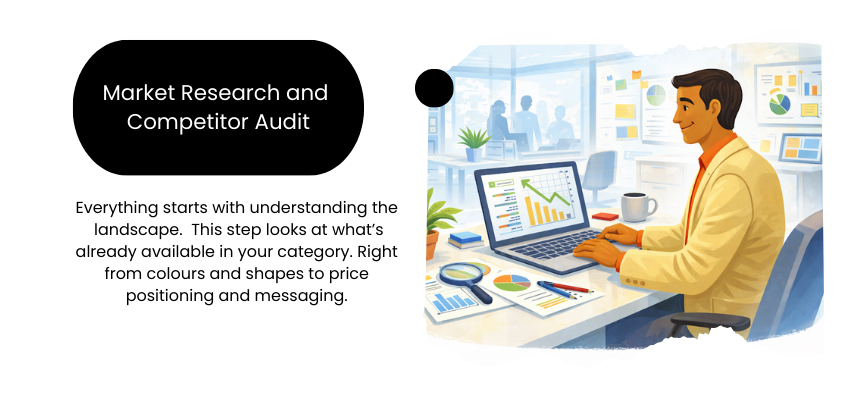
1. Market Research and Competitor Audit
Everything starts with understanding the landscape. This step looks at what’s already available in your category. Right from colours and shapes to price positioning and messaging. The goal isn’t to copy competitors but to identify patterns, gaps, and opportunities. This research will actually help your brands avoid blending in and instead design packaging that feels fresh yet familiar enough to trust!
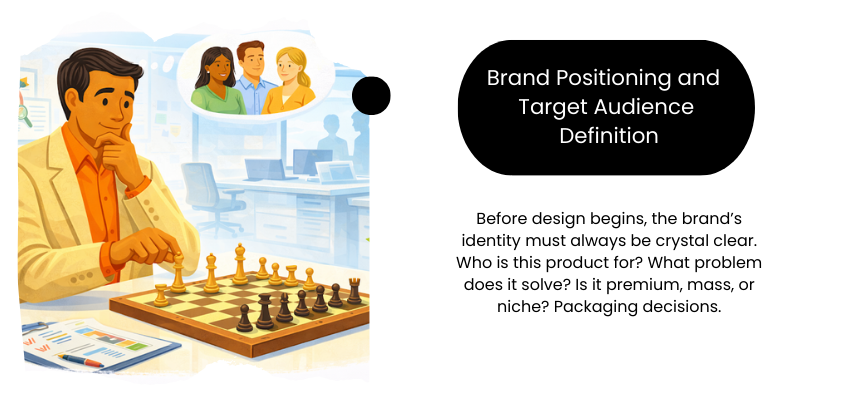
2. Brand Positioning and Target Audience Definition
Before design begins, the brand’s identity must always be crystal clear. Who is this product for? What problem does it solve? Is it premium, mass, or niche? Packaging decisions. Right from fonts to finishes. All of it depends heavily on this clarity. When positioning is vague, packaging becomes confused. When positioning is strong, design decisions become easier and more consistent!
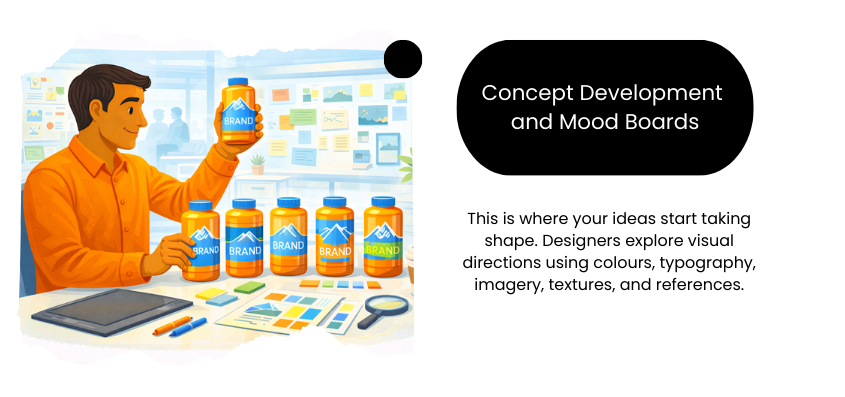
3. Concept Development and Mood Boards
This is where your ideas start taking shape. Designers explore visual directions using colours, typography, imagery, textures, and references. Mood boards surely help align everyone early in the process, ensuring the final design reflects the brand’s personality and goals. It is also a safe space to experiment before committing to final designs.
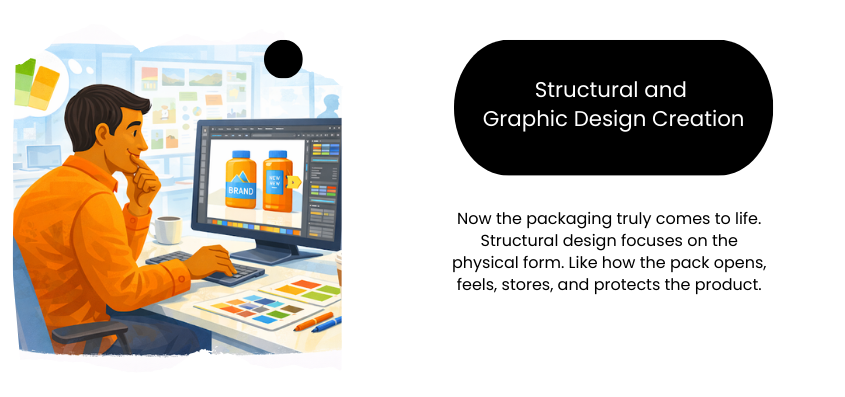
4. Structural and Graphic Design Creation
Now the packaging truly comes to life. Structural design focuses on the physical form. Like how the pack opens, feels, stores, and protects the product. Graphic design handles everything visual: layout, branding, information hierarchy, and shelf impact. You need to balance both in the right way. The best designs focus on aesthetics, usability and cost efficiency!
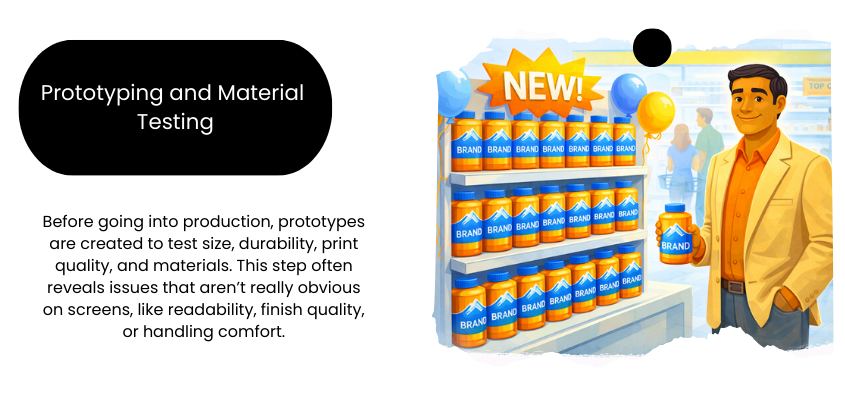
5. Prototyping and Material Testing
Before going into production, prototypes are created to test size, durability, print quality, and materials. This step often reveals issues that aren’t really obvious on screens, like readability, finish quality, or handling comfort. Quite common in most brands. Fixing these early always saves time, money, and frustration later.
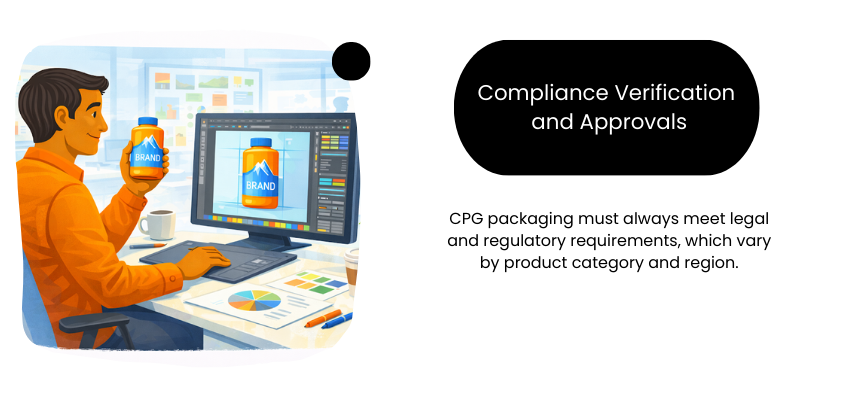
6. Compliance Verification and Approvals
CPG packaging must always meet legal and regulatory requirements, which vary by product category and region. Here, you need to take care of all these aspects, such as ingredient lists, nutritional information, barcodes, warnings, certifications, and more. Everything needs accuracy here. This step will protect your brand from costly recalls or delays and ensure smooth retail approvals!
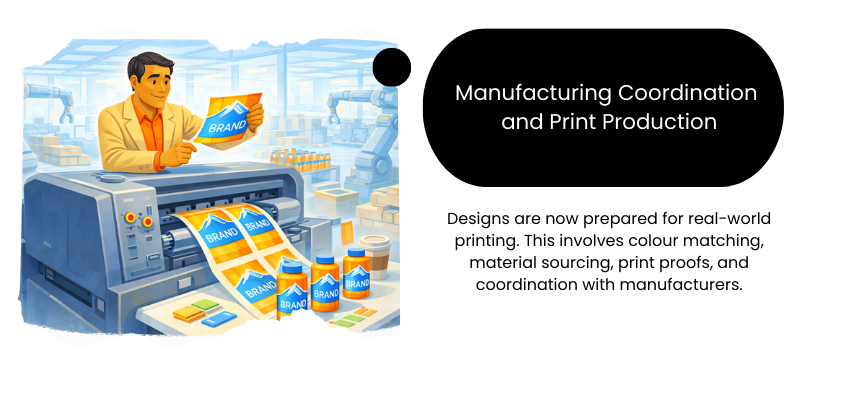
7. Manufacturing Coordination and Print Production
Designs are now prepared for real-world printing. This involves colour matching, material sourcing, print proofs, and coordination with manufacturers. A good design team works closely with printers to ensure consistency between what was designed and what gets produced!
8. Launch, Feedback, and Iteration
Once the product hits the market, the learning doesn’t really stop here. Customer feedback, sales data, and retailer insights will always help your brand understand what’s truly working and what’s not. Successful CPG brands treat packaging as an evolving asset. Always refining and improving it as the brand grows!
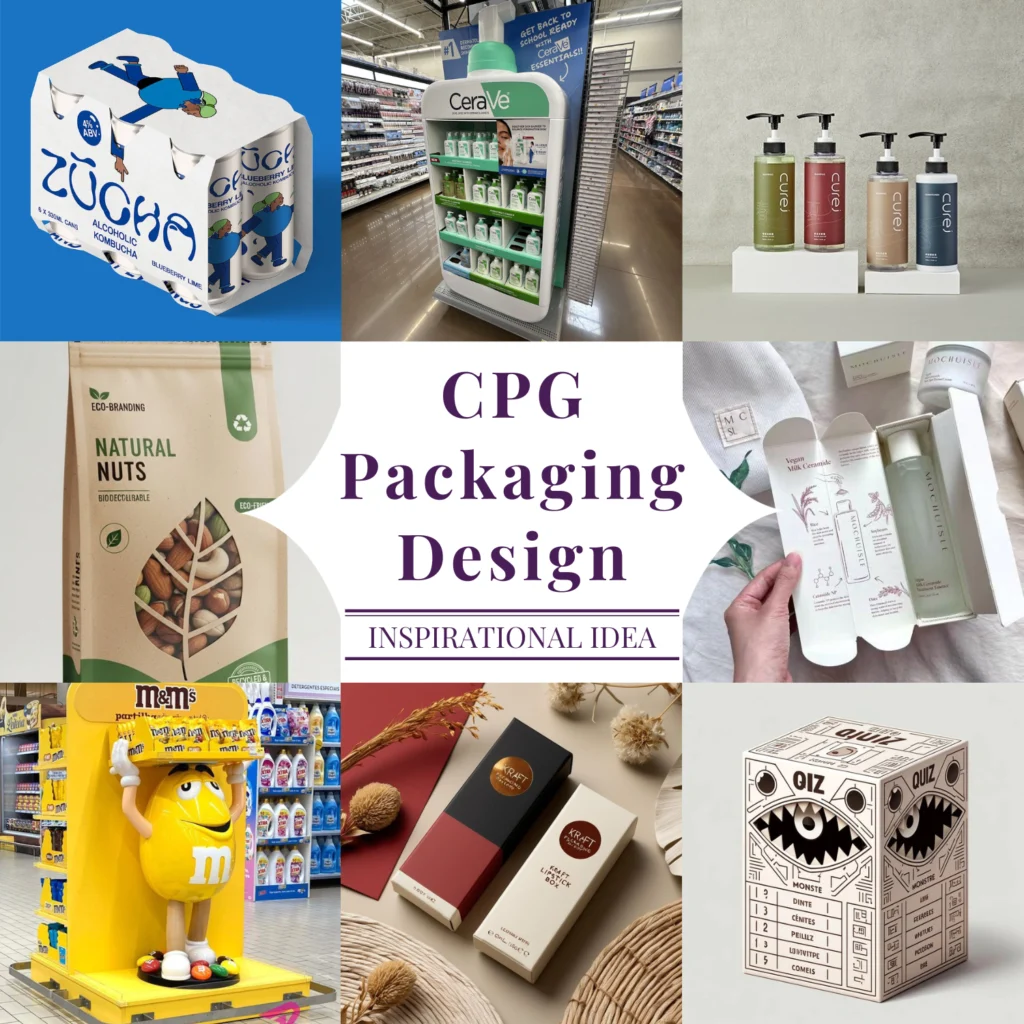
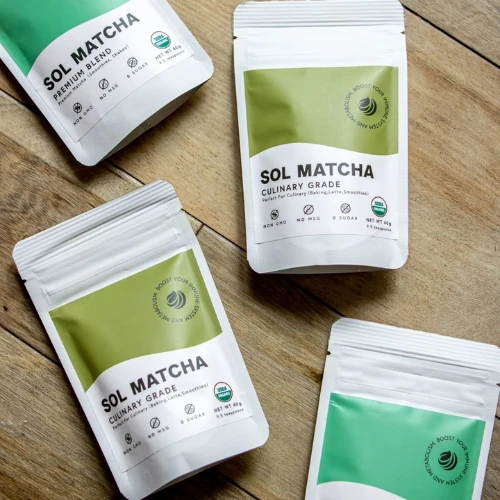
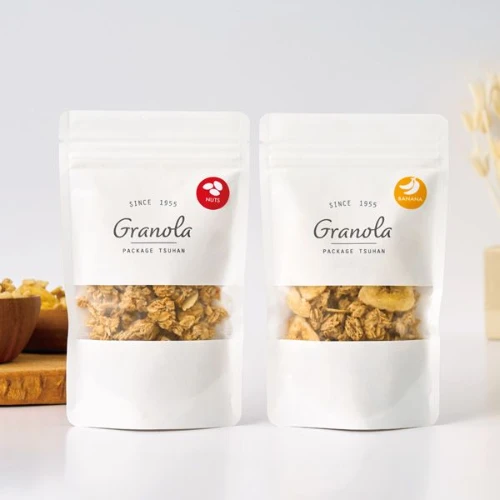
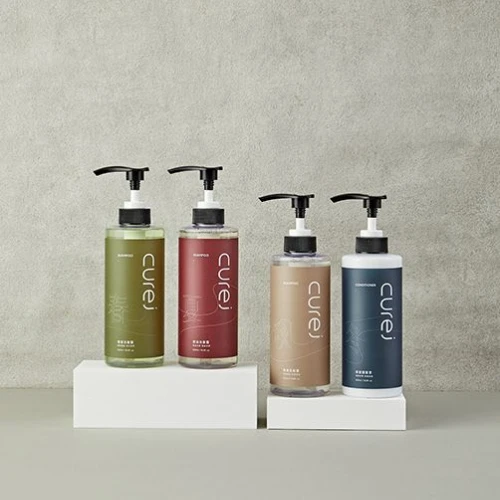
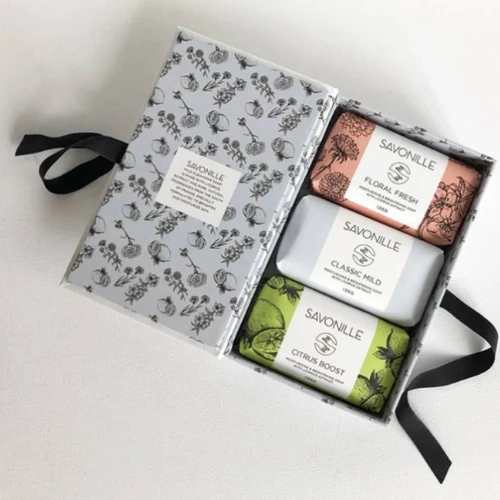
CPG Packaging Design Examples That Don’t Just Look Good, They Sell
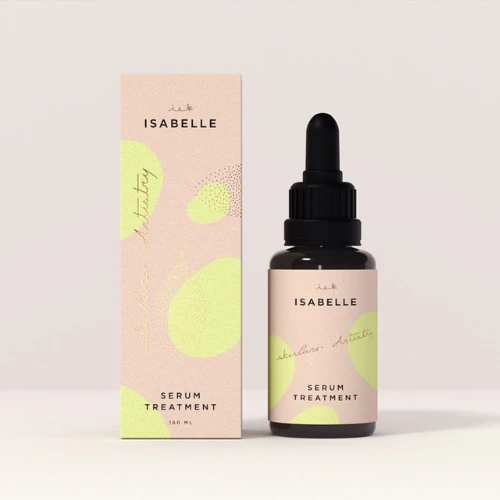
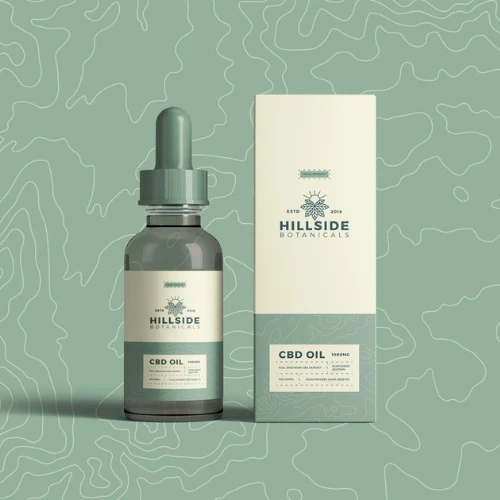
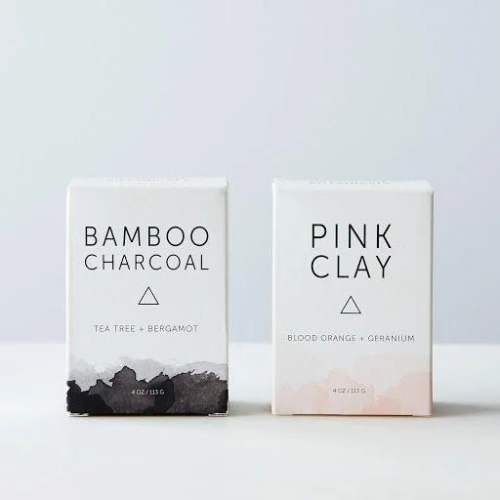
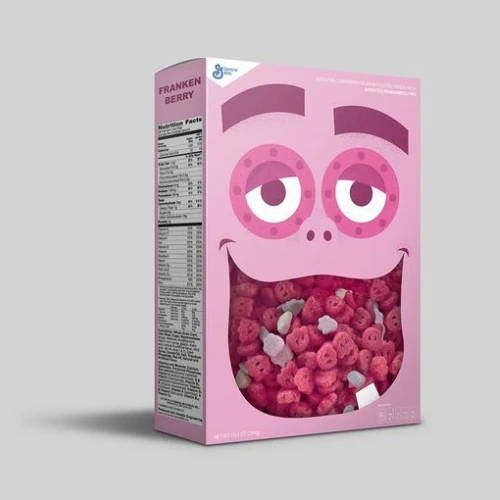
This is where inspiration matters. From bold snack packs to elegant skincare bottles, great examples prove that when packaging is done right, it becomes a growth engine!
Source: https://in.pinterest.com/
Source: https://in.pinterest.com//p>
Source: https://in.pinterest.com/
Source: https://in.pinterest.com
Source: https://in.pinterest.com/
Source: https://in.pinterest.com//p>
Source: https://in.pinterest.com/
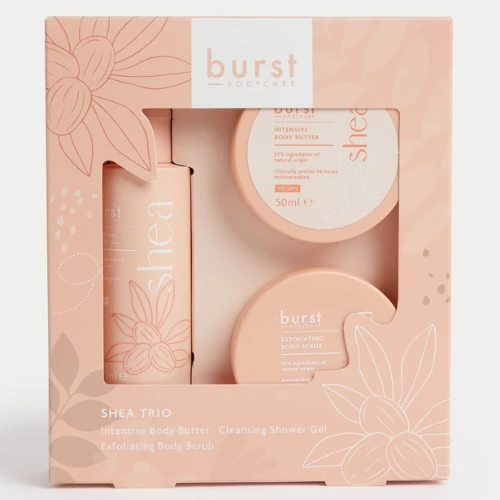
Source: https://in.pinterest.com
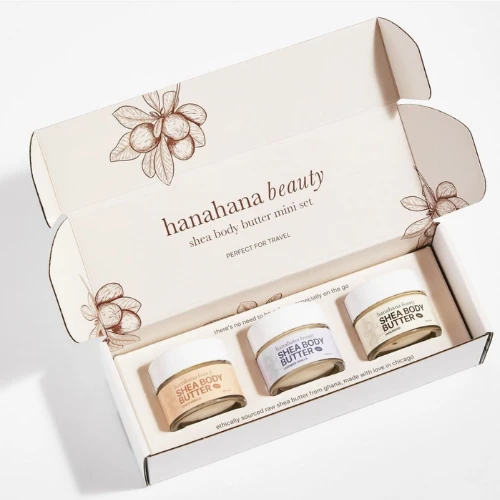
Source: https://in.pinterest.com/
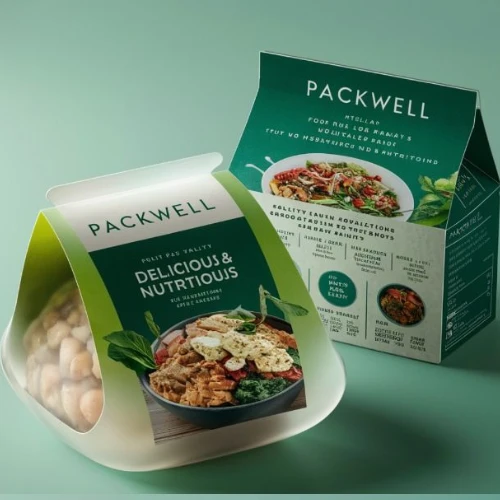
Source: https://in.pinterest.com//p>
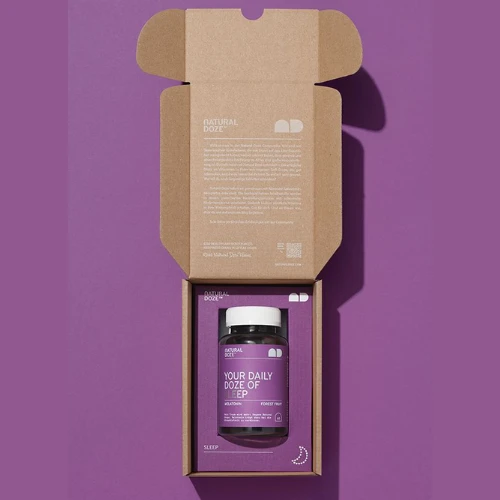
Source: https://in.pinterest.com/
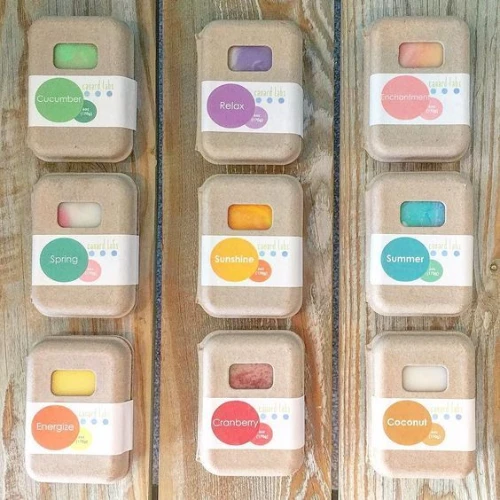
Source: https://in.pinterest.com
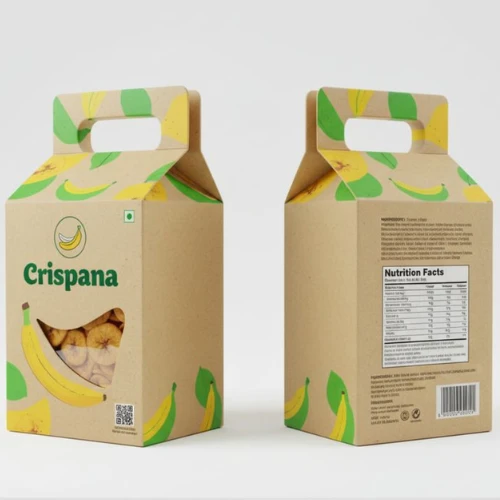
Source: https://in.pinterest.com/
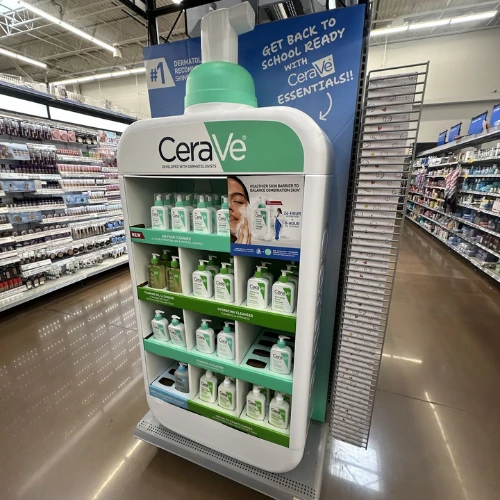
Source: https://in.pinterest.com//p>
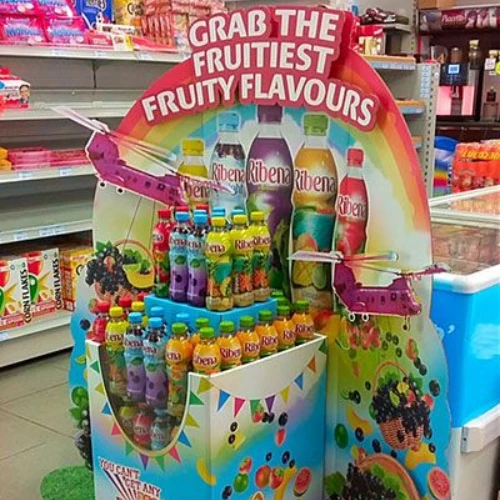
Source: https://in.pinterest.com/
Source: https://in.pinterest.com
How to Pick a CPG Packaging Design Agency Without Regret?
Choosing the right agency can actually make or break your packaging. Trust us.
Start by reviewing their portfolio.
Do they have experience in your industry? Have their designs actually reached shelves?
A good agency understands more than visuals. This is important. They should be comfortable and familiar with all the compliance rules, printing processes, and material limitations. Strategy matters too. Your brand should ask questions about positioning, competition, and scalability, not just colours and fonts.
Clear communication is another must. Timelines, feedback loops, and production coordination are some other aspects you need to focus on. Everything should always feel smooth, not stressful with the agency. Again, very important.
And finally, you have to choose a team that actually thinks long-term here. Because your CPG packaging should always grow with your brand, not need a redesign every year, right?
Conclusion
In fast-moving CPG markets, packaging isn’t really optional. It is a strong growth tool. The right design can truly boost shelf visibility, build trust, and turn all the first-time buyers into loyal customers.
If you are truly serious about scaling your brand with packaging that’s strategic, beautiful, and built for real-world sales, our experts at DesignerPeople are your best bet. With deep experience across CPG categories, retail-ready execution, and a sure, sharp understanding of both Indian and global markets, we don’t just design any random packaging here.
We design the best success stories for brands. So, connect with us today. Your product deserves packaging that works as hard as you do!
Author: Anush Malik

Being a strategist’s head and a long term visionary personality aims to achieve excellence in branding, packaging and digital marketing field. My 15 years of design experience and masters degree ais my strength which keeps me motivated and keep me going positively. I have participated in extensive branding design conquests in India, USA, Australia and New Zealand with winning zeal. My objective is to encourage start-ups and hence involves actively in the articles which will act as a productive intake of knowledge for them. Do connect me personally via my LinkedIn and I love to share my expertise with you.