
Every brand has a moment when it suddenly realises, “We are no longer connecting with the consumers the way we used to.” Maybe sales are flat? Or do the younger audiences not relate anymore? Maybe competitors suddenly look cooler, smarter, more relevant? That uncomfortable feeling is usually the first sign that your brand story needs a rewrite now.
Brand repositioning isn’t only about throwing away your past brand personality. It is more about evolving your identity so your brand still makes sense in the present. In 2026, customers nowadays are sharper, more aware, and far less loyal than before! Yes. That’s the truth.
They don’t just buy products now. They buy meaning, experience, and brands that actually feel aligned with their lifestyle and values!
Repositioning actually helps your brand shift how it is perceived in the customer’s mind: right from ordinary to premium, from outdated to modern, from functional to emotional, from “just another option” to “this is my brand.”
Done right, it can completely change how people talk about your brand, trust your brand, and choose your brand over others. In this blog, we will be discussing some of the best brand repositioning strategies of 2026, along with amazing examples of Indian brands to fuel your inspiration. Let’s get started.
Table of Contents
Is Your Brand Secretly Stuck in Yesterday? Here Are the Clues
Most of the time, the warning signs of a brand failing are right there! Look for these!
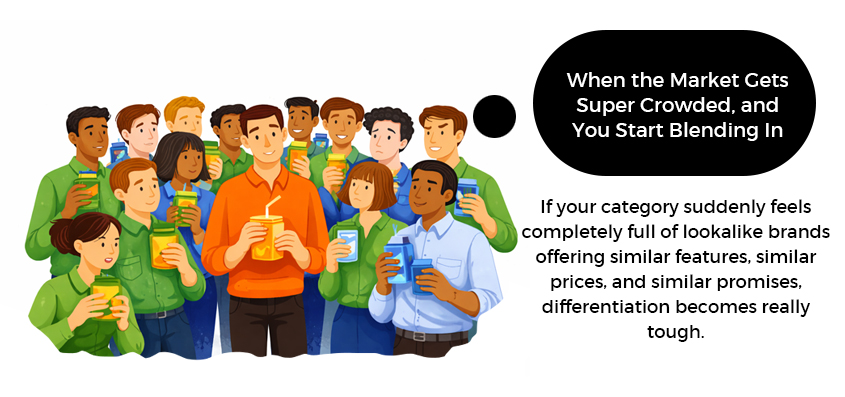
a) When the Market Gets Super Crowded, and You Start Blending In
If your category suddenly feels completely full of lookalike brands offering similar features, similar prices, and similar promises, differentiation becomes really tough. When customers can’t really tell what makes your brand special, they stop caring likewise. Brand Repositioning helps you carve a distinct space instead of competing only on discounts!
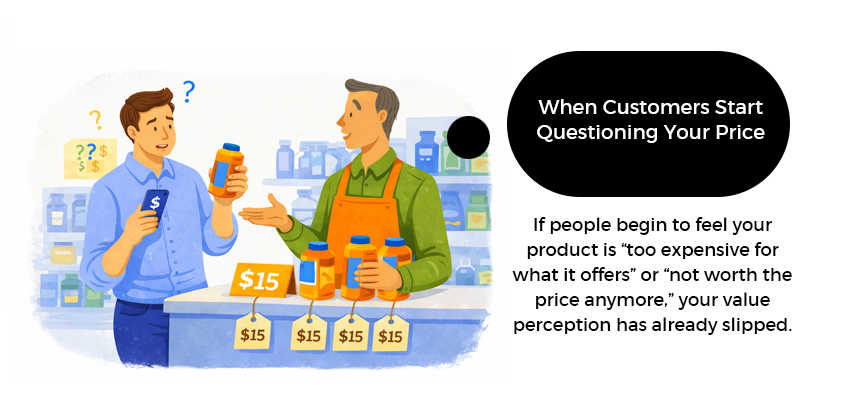
b) When Customers Start Questioning Your Price
If people begin to feel your product is “too expensive for what it offers” or “not worth the price anymore,” your value perception has already slipped. This doesn’t always mean the product quality has dropped. Instead, it often means your brand story no longer justifies the price to your consumers emotionally!
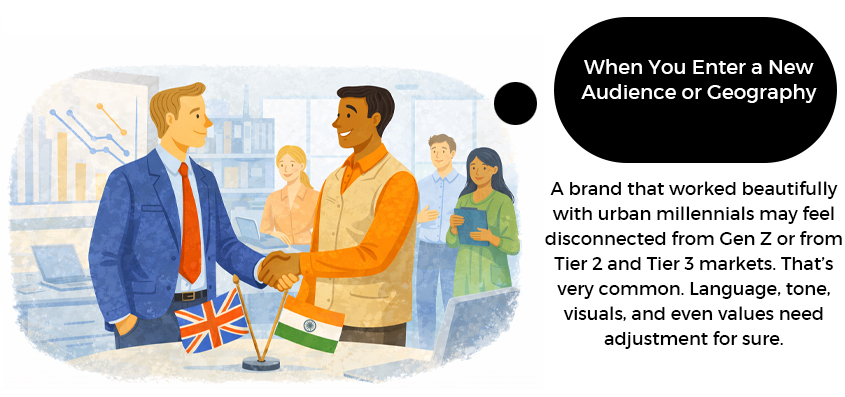
c) When You Enter a New Audience or Geography
A brand that worked beautifully with urban millennials may feel disconnected from Gen Z or from Tier 2 and Tier 3 markets. That’s very common. Language, tone, visuals, and even values need adjustment for sure. Repositioning actually helps your brand stay relatable without losing its core identity! So important!
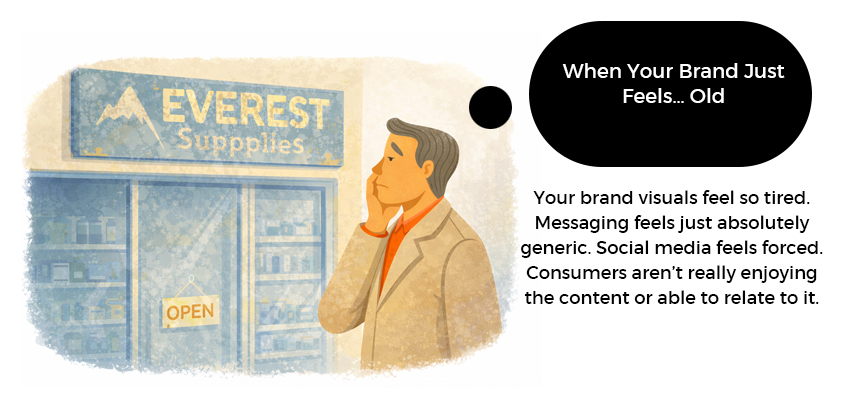
d) When Your Brand Just Feels… Old
Not heritage-old. It just feels outdated. You can relate to it, right?
Your brand visuals feel so tired. Messaging feels just absolutely generic. Social media feels forced. Consumers aren’t really enjoying the content or able to relate to it.
Meanwhile, newer brands always feel fresh, confident, and culturally tuned in. This gap is just way too dangerous. Something you should always avoid!
e) When the Business Itself Changes Direction
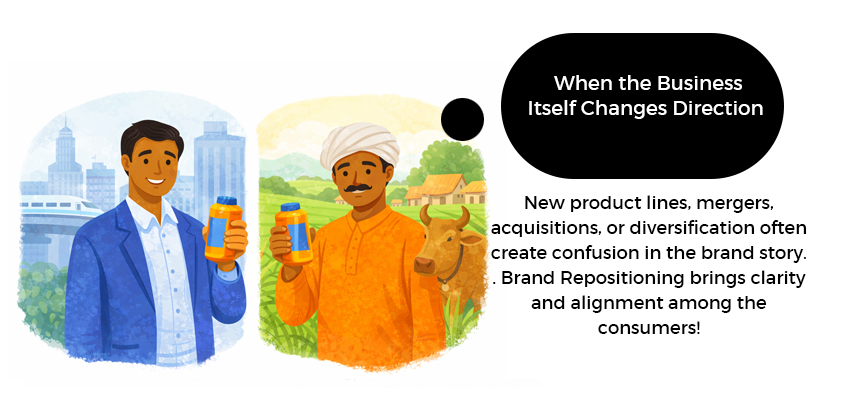
New product lines, mergers, acquisitions, or diversification often create confusion in the brand story. Again, a very common issue most brands face when they diversify their product ranges. Brand Repositioning brings clarity and alignment among the consumers!
Why Repositioning Is Actually the Smartest Competitive Move in 2026?
In today’s market, attention is expensive, and loyalty is fragile. People switch brands easily, influenced by experience, emotion, and identity. After all, they get countless options in every industry. Brand Repositioning gives you the power to:
1.Enter premium or new segments:
If you really want to move your brand into higher-value spaces or untapped markets, brand repositioning is the best way to do that. This way, customers are willing to pay more and expect better!
2.Attract younger and more aspirational audiences:
Stay relevant to the next generation by aligning with their lifestyle, values, and digital habits.
3.Command better pricing:
Whenever perception changes, price resistance drops right away. A stronger position makes your product feel absolutely worth the extra rupees!
4.Strengthen emotional connection:
Go beyond the boring functional benefits and build a bond that actually makes people feel proud to choose your brand.
5.Stay culturally relevant:
Evolve with the changing trends, conversations, and consumer mindset shifts instead of looking outdated!
6.Build long-term brand equity:
Create a brand that actually grows in value over time, not just in sales but also in trust, recall, and reputation!
It is not just any cosmetic change. This is a strategic shift in how your brand lives in people’s minds!
Brand Repositioning Strategies That Will Actually Work in 2026
So, what are the best ways to reposition your brand in 2026? Let’s take a closer look.
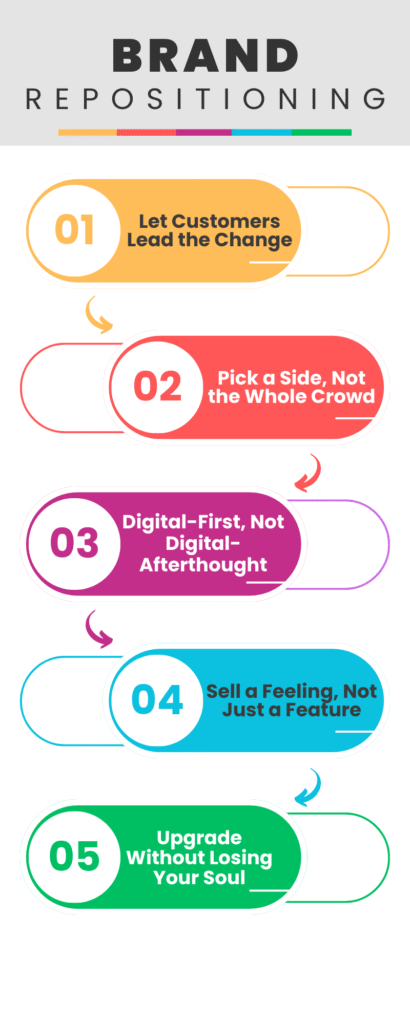
1. Let Customers Lead the Change
Modern repositioning starts with active listening.
What do customers feel about you? What frustrates them? What do they love?
People nowadays openly talk about what they love, what they really feel is overpriced, what feels outdated, and what they wish existed!
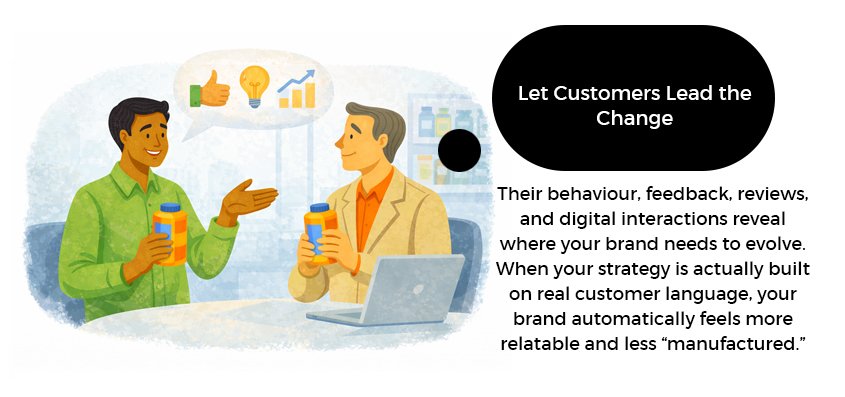
Their behaviour, feedback, reviews, and digital interactions reveal where your brand needs to evolve. When your strategy is actually built on real customer language, your brand automatically feels more relatable and less “manufactured.”
2. Pick a Side, Not the Whole Crowd
Trying to be everything to everyone is the fastest way to become forgettable. Trust us!
In 2026, strong brands stand for something very specific and strong.
Maybe you are the affordable luxury brand? Or an eco-conscious rebel? Maybe you have the comforting, familiar, no-nonsense choice?
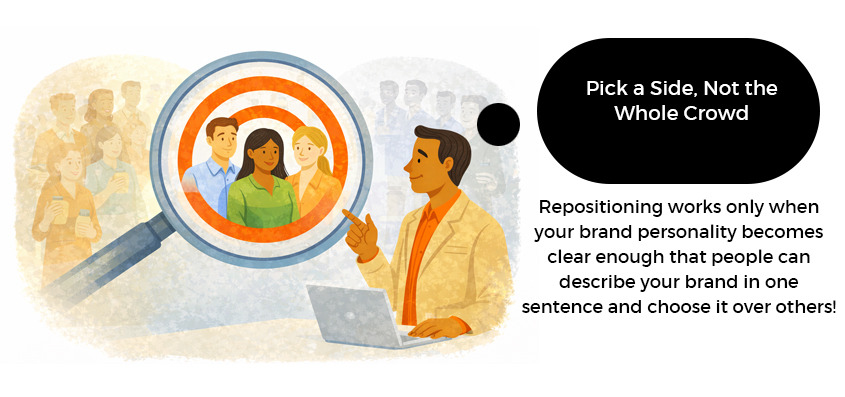
Repositioning works only when your brand personality becomes clear enough that people can describe your brand in one sentence and choose it over others!
3. Digital-First, Not Digital-Afterthought
You can’t really reposition in one place and ignore the rest.
Your website, packaging design, social media, ads, emails, app UI, and even WhatsApp replies should all feel like they come from the same “person.”
If your brand wants to feel premium, your visuals, fonts, tone, and storytelling must reflect that everywhere as well. If you really want to feel warm and friendly, your language should sound human, not corporate! Simply put, stay consistent and relevant with your your digital presence.

4. Sell a Feeling, Not Just a Feature
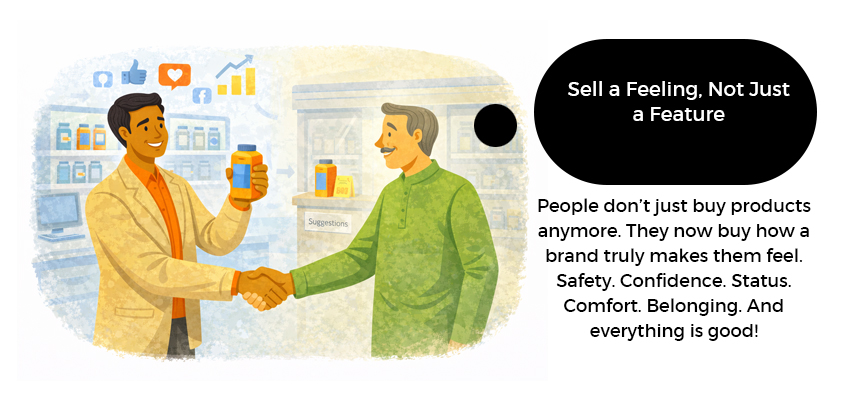
People don’t just buy products anymore. They now buy how a brand truly makes them feel. Safety. Confidence. Status. Comfort. Belonging. And everything is good!
In 2026, repositioning means shifting from “Look what we sell” to “Look how you will feel when you use our products.” This shift is actually a massive game-changer!
This emotional layer is what actually will allow your brand to charge more, build loyalty, and stay memorable!
5. Upgrade Without Losing Your Soul
Repositioning doesn’t mean throwing away everything you have built all these years. The smartest brands evolve while keeping their core recognisable. Same essence, better expression. New tone, clearer message. Modern look, familiar warmth. Customers should feel like your brand has grown up. Focus on these aspects instead.
Step-by-Step Brand Repositioning Guide For New Age Brands (2026 Edition)
Repositioning is never a one-day brainstorm or a new logo reveal. It is more like a structured journey. Here are the steps for you to refer to!
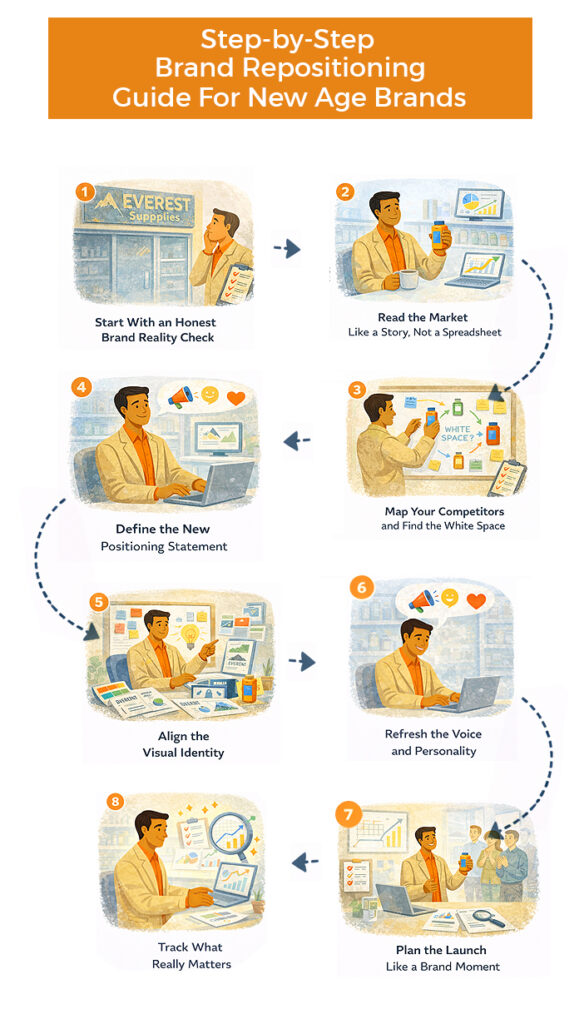
i) Start With an Honest Brand Reality Check
Before you change anything, you need to know exactly where your brand stands. How do customers describe your brand today? What words come up in reviews, social media, and feedback calls? Is your brand seen as affordable, premium, outdated, innovative, reliable, boring, exciting?
This stage is about removing any possible internal bias.
What you think your brand is and what the market feels about your brand are often very different. This is quite normal since perceptions differ everywhere. A proper audit focuses on brand perception, customer experience, communication, visual identity, digital presence, and competitor comparison!
ii) Read the Market Like a Story, Not a Spreadsheet
Repositioning truly works when you understand cultural shifts, lifestyle changes, and the emotional needs of everyone. In 2026, people mostly care about convenience, authenticity, wellness, sustainability, personalisation, and digital ease. Market research is not just about numbers now. It is more about understanding how people live, what they aspire to, and what they trust!
iii) Map Your Competitors and Find the White Space
Plot your competitors on parameters like price, emotion, innovation, trust, premium feel, and accessibility now. You will often notice clusters where all the brands are saying similar things. Target this part. The gap between those clusters is your opportunity. Repositioning means owning a clear, distinct mental space!
iv) Define the New Positioning Statement
This is the backbone of everything. Who are you for? What problem does your brand solve emotionally and functionally? Why should people believe your brand? What makes it so different?
A strong positioning statement guides tone, visuals, product communication, campaigns, and even customer service behaviour!
Your brand’s tone should always feel natural, relevant, and consistent. Whether you have a friendly, authoritative, youthful, premium, witty, or reassuring personality, this personality must also reflect everywhere. Right from your website, ads, social media, packaging, emails, and even chatbot replies!
vi) Align the Visual Identity
Colours, fonts, logo usage, layouts, photography, and design language must always support the new positioning. Otherwise, everything may look distorted. A premium shift demands refinement. A youth shift needs energy. A trust-led shift needs clarity and warmth. Visuals are not just any decoration. They are strategic signals!
vii) Plan the Launch Like a Brand Moment
Repositioning should feel like a story unfolding. Internal teams, partners, distributors, and customers must understand what’s changing and why. There should always be a solid goal and seamless communication everywhere. This plan builds clarity and excitement!
viii) Track What Really Matters
Brand perception, engagement, recall, preference, conversion, repeat purchase, and sentiment analysis surely tell you whether the repositioning is working. Don’t ignore them. Numbers without perception shift are so incomplete!
Indian Brands That Nailed Repositioning (And What We Can Learn)
So here are some popular Indian brands that have nailed their repositioning strategy and are doing really well in the industry.
1. Tata: From Traditional Giant to Modern Trust Icon
Tata was always trusted, but it was once seen as conservative and old-school. Over the years, it repositioned itself as a modern, purpose-driven, innovation-led group while keeping its ethical backbone. Through design, communication, digital presence, and storytelling, Tata now feels absolutely global and progressive but still deeply Indian! Something everybody can relate to!

2. Jio: Turning Connectivity into Lifestyle
Jio didn’t really sell data plans. It sold digital freedom. By positioning itself as a regular enabler of entertainment, work, payments, learning, and communication, it quickly moved from being a telecom player to a lifestyle ecosystem. This repositioning changed how Indians perceived internet access itself, resulting in higher revenue!

3. Zomato: From Utility App to Food Companion
Zomato evolved from this simple delivery platform into a brand with personality, humour, and emotional connection. Right from the tone of voice, social media presence, to storytelling. This brand repositioned it as a food-loving friend rather than just any service!
4. Asian Paints: From Paint Seller to Home Experience Brand
Asian Paints shifted from being a random product-centric to a solution-centric brand. The brand now actually talks more about homes, décor, mood, and lifestyle. This repositioning really allowed them to enter services, consultancy, and premium segments!
5. Nykaa: From An Ordinary Online Store to Beauty Authority
Nykaa has now truly positioned itself as a trusted beauty advisor for India in such a strategic way. Not just any marketplace out there. Through consistent and strategic content, influencer strategy, and expert tone, it gradually built credibility and aspiration!
Common Brand Repositioning Mistakes That Can Cost You Crores
Here are some rookie brand positioning mistakes you should always avoid!
a) Changing the Look Without Changing the Story
A new logo without a new strategy will surely confuse your customers real quick. Visual change must follow the repositioning, not just replace it!
b) Forgetting Existing Loyal Customers
Repositioning should take your loyal audience along, not alienate or foregt them. Very important! Evolution should always feel like growth, not betrayal.
c) Speaking Differently on Every Platform
What if your website sounds premium, but your Instagram sounds casual? And your packaging sounds corporate? Your brand quickly loses trust. Consistency builds memory!
d) Blindly Copying Global Brands
Don’t just blindly copy any brand out there. What actually works for Apple or Nike may not really emotionally connect with the Indian consumers. You need to have something unique and authentic. Cultural context matters massively here!
Wrapping It Up
Brand repositioning in 2026, when done right, will help you sharpen what your brand truly stands for, build a much stronger emotional bond with your audience, and prepare your business for what’s coming next!
Whether you want to move into a more premium space, connect with younger customers, expand into new regions, or simply stop feeling outdated, this is the best time to give your brand a much-needed reset. It brings clarity to your message, confidence to your presence, and a clear direction for where your brand is headed!
If your brand is ready for its next big leap, our expert brand designers at DesignerPeople can help you redefine your positioning, refresh your identity, and craft a future-ready brand story that connects, converts, and builds long-term trust!
Because a strong brand isn’t the loudest in the room. It is the one people remember, believe in, and choose again and again!
Author: Megha Malik

As a passionate entrepreneur and creative brand consultant with experience of 18 years in digital, branding and packaging industry, it is my honest effort to put my experiences and knowledge of industry towards readers. A chartered accountant by degree but a marketing personality in blood has motivated her to take in designing industry as a career. With her fun-loving personality and sharp branding skills, she is a great motivational speaker on her YouTube channel, an active member in various business channels offline as well as online. Do connect me personally via my LinkedIn and I love to share my expertise with you.